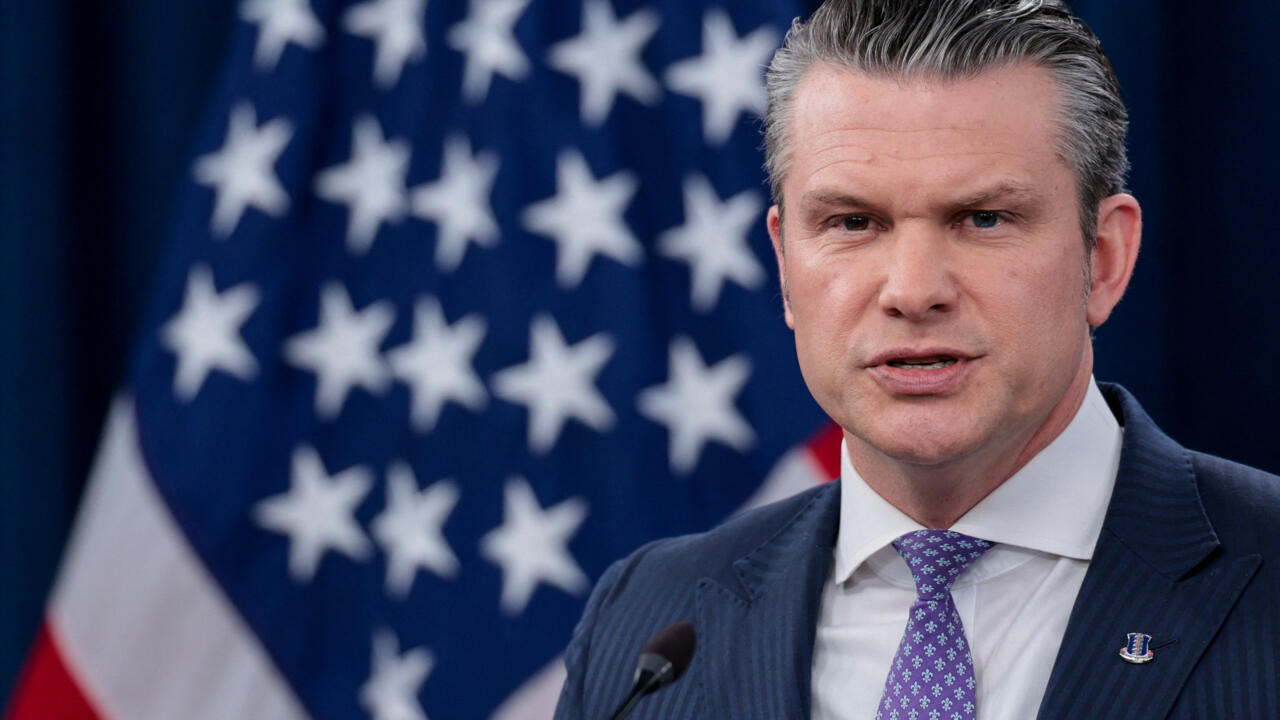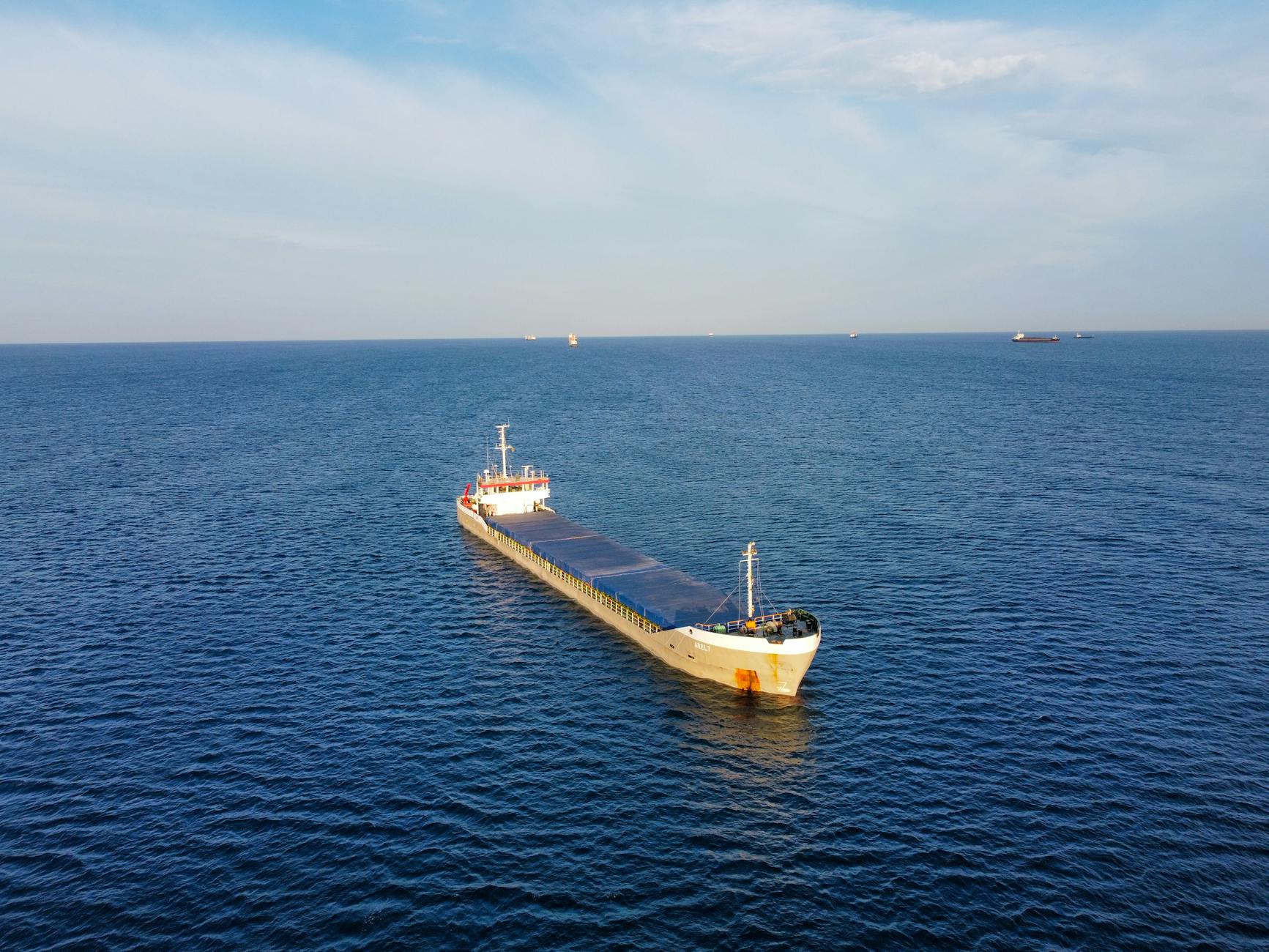
US Defence Secretary Pete Hegseth has publicly challenged NATO and European allies to take responsibility for securing the Strait of Hormuz. This statement follows President Donald Trump's recent social media posts suggesting the US will no longer intervene unilaterally. The comments mark a significant shift in US defense strategy regarding critical global trade routes.
Alliance Strains
During a press conference on Tuesday, Hegseth reiterated the president's view that it is not solely the American job to secure what he termed a critical waterway. About 20% of the world's oil and liquefied natural gas usually passes through the Strait, making the conflict a global economic concern. Hegseth argued that countries around the world ought to be prepared to step up on this critical waterway as well. He emphasized that the US Navy should not bear the burden alone during these tensions.
"There are countries around the world who ought be prepared to step up on this critical waterway as well. It's not just the United States Navy," Hegseth said.
Trump's Ultimatum
President Donald Trump amplified this sentiment on his Truth Social platform, telling countries to go get their own oil. He stated that the United States would not be there to help anymore, mirroring the sentiment that allies did not support the US during previous conflicts. Trump specifically addressed nations like the United Kingdom, suggesting they should build up delayed courage and take control of the Strait themselves. This rhetoric represents a potential history-defining shift in how Washington views its military alliances.
Reports from The Wall Street Journal indicate Trump has told aides he is willing to end the military campaign against Iran even if the Strait remains largely closed. The administration plans to bring current fighting to an end after severely damaging Iran's navy and missile stocks. Instead, officials will continue to pressure Iran diplomatically to reopen the flow of trade.
Iran has effectively closed off the Strait since the US and Israel attacked the region on 28 February. Over the last three weeks, the Trump administration has fluctuated between asking NATO and European allies for help to saying it does not need any assistance. This whipsaw approach has led to accusations of disloyalty from Washington regarding European partners.
"Countries have to come in and take care of it. Iran has been decimated, but they're going to have to come in and do their own work," Trump said.
The war has sent global fuel prices soaring, creating immediate pressure on international markets. In their recent 15-point peace plan, US negotiators said Iran would be required to reopen the Strait as a precondition for ending the war. However, a spokesperson for Iran's foreign minister denied there had been talks with US officials. Esmaeil Baqaei stated Iran had had no negotiations with America during the thirty-one-day duration of the war.
Hegseth did not list reopening the Strait among his war objectives in his prepared statement, but he later described it as the goal. Like Trump, he singled out the UK, saying its big bad Royal Navy should get involved. The UK has said it will not be dragged into the war despite the pressure from Washington. Hegseth told reporters the timeline of the war could now be six to eight weeks, a break from the previous four-to-six-week timeline set out by the administration.
The situation highlights a growing divergence in strategic priorities between the United States and its traditional partners. If allies refuse to act, the US may reconsider its long-term security guarantees in the Middle East. Global markets will watch closely for any further escalation or de-escalation signals from Washington in the coming days.