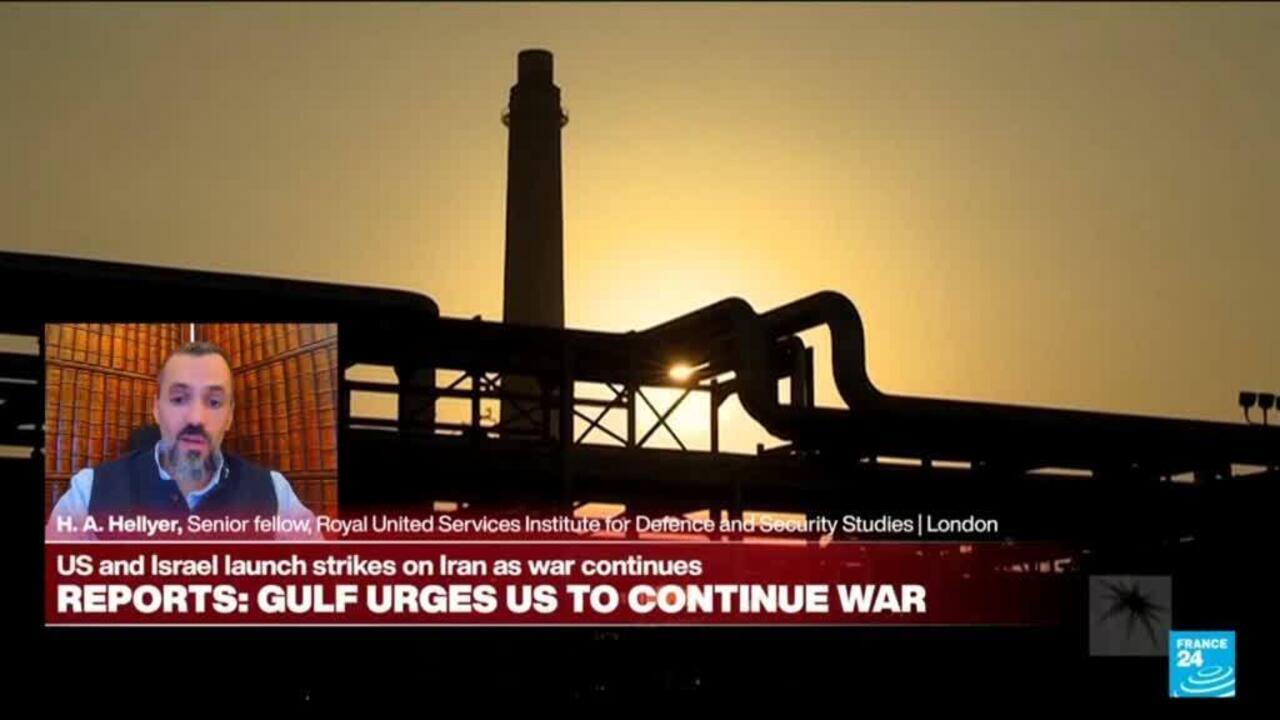
Gulf allies are privately urging President Donald Trump to sustain military pressure until Iran is decisively defeated. Saudi Arabia and the United Arab Emirates argue current operations have not sufficiently degraded Tehran's strategic capabilities. U.S., Gulf and Israeli officials report the diplomatic push during recent high-level coordination meetings over the last few weeks. The request highlights a significant divergence between immediate de-escalation desires and long-term regional security goals.
Riyadh and Abu Dhabi maintain that a partial victory leaves the Islamic Republic capable of renewed aggression within months. Intelligence assessments suggest Tehran retains significant proxy networks across the Middle East despite recent strikes. Diplomatic sources indicate the Gulf monarchies fear a power vacuum that could destabilize global energy markets. They argue that a decisive outcome is necessary to secure investment confidence in the region.
Dr. H. A. Hellyer, Senior Fellow at the Royal United Services Institute, provided crucial context on the Gulf position. He emphasizes that while pressure is applied, total regime removal is not the current objective. > "Despite some Gulf States pressing to prolong the war, none of the Gulf States want the Iranian state to collapse," said Hellyer. This clarification distinguishes the Gulf strategy from other regional actors seeking full regime change.
A complete collapse could trigger a humanitarian crisis and invite intervention from external powers. This nuance complicates the formulation of a unified military strategy among coalition partners. Experts note that prolonged conflict carries economic risks for both regional and global stakeholders. The distinction between weakening a regime and toppling it remains a critical diplomatic boundary for Washington.
Markets remain sensitive to any escalation in the Persian Gulf due to the critical role of oil shipping lanes. An extended conflict could drive energy prices higher, impacting inflation rates in major economies. Investors are closely monitoring how these geopolitical pressures translate into asset volatility. The Gulf states prioritize stability to protect their own economic diversification plans.
The administration must balance domestic political pressures with the strategic demands of key allies. Trump faces a choice between a quick exit or a sustained campaign that risks broader regional entanglement. Analysts predict the next phase of policy will depend on intelligence updates from the field. Continued dialogue between Washington and Riyadh will likely define the trajectory of the conflict.
What This Means
This development signals a shift in how Gulf partners view the necessity of regime change versus containment. It suggests that allies are willing to support prolonged engagement only if specific thresholds are met. The region remains volatile following years of diplomatic stagnation and intermittent military action.
Future stability depends on whether Washington aligns its objectives with the security assurances provided by its Middle Eastern partners. Failure to address these concerns could strain the transatlantic and bilateral alliances currently in place. Watch for further statements from Riyadh and Abu Dhabi regarding their stance on US force posture.