Greenland Crisis Sparks European Push for Strategic Independence
EU leaders accelerate defense spending and digital sovereignty plans as Trump's territorial ambitions expose Europe's dependence on US security and economic infrastructure.
Greenland Crisis Sparks European Push for Strategic Independence
Advertisement
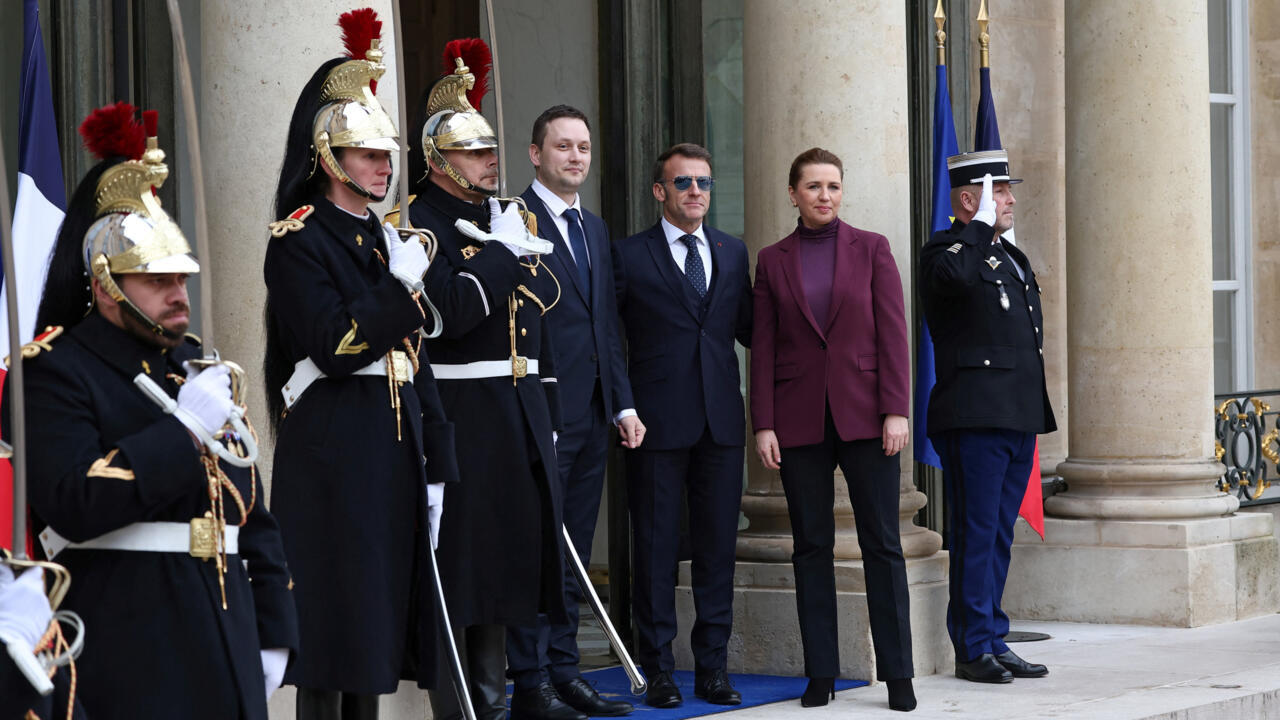
The Trump administration's threats against Greenland have crystallized into what French President Emmanuel Macron termed "a strategic wake-up call for all of Europe," prompting accelerated efforts across the continent to reduce dependence on American military and economic infrastructure.Meeting with Danish Prime Minister Mette Frederiksen and Greenland's leader Jens-Frederik Nielsen in Paris on Wednesday, Macron emphasized that Europe's "awakening" must focus on "asserting our European sovereignty, on our contribution to Arctic security, on the fight against foreign interference and disinformation."The crisis has exposed critical vulnerabilities in Europe's strategic autonomy. Frederiksen acknowledged that defending Europe independently would be "extremely difficult" given current dependencies on US intelligence and nuclear capabilities. "I think rearming ourselves now is the most important thing," she stated, dismissing NATO's 2035 defense spending targets as "too late."Economic dependencies are equally concerning European officials. EU Economic Commissioner Valdis Dombrovskis warned that nearly two-thirds of European card transactions are processed by US giants Visa and Mastercard, making the bloc vulnerable to economic pressure. The European Central Bank's digital euro project, in development since 2020, has gained new urgency as a tool for financial sovereignty."Today, our payments landscape is highly dominated by non-European providers. This makes us dependent on foreign-owned companies in an increasingly polarised and fragmented world," Dombrovskis told the European Banking Summit.Energy security concerns are mounting alongside financial vulnerabilities. EU Energy Commissioner Dan Jorgensen highlighted fears that Europe risks "replacing one dependency with another" as it reduces Russian energy imports while increasing reliance on US liquified natural gas.The geopolitical implications extend beyond immediate security concerns. EU foreign policy chief Kaja Kallas noted that "Europe is no longer Washington's primary centre of gravity," describing this shift as "structural, not temporary." NATO Secretary-General Mark Rutte's blunt assessment that Europe should "keep on dreaming" if it believes it can defend itself independently has further galvanized European resolve.US Secretary of State Marco Rubio indicated that technical-level meetings between American, Danish, and Greenlandic officials would begin soon, expressing optimism for "a good outcome for everybody." However, Greenland's Prime Minister Nielsen emphasized that certain "red lines" could not be crossed in negotiations.The crisis has also generated unexpected cultural solidarity, with musician Neil Young offering free access to his music catalogue for Greenland residents, calling it "an offer of peace and love" amid what he termed "unwanted stress and threats."As European leaders grapple with this new reality, the Greenland standoff appears to have accelerated a fundamental recalibration of transatlantic relations, pushing Europe toward greater self-reliance across military, economic, and technological domains.