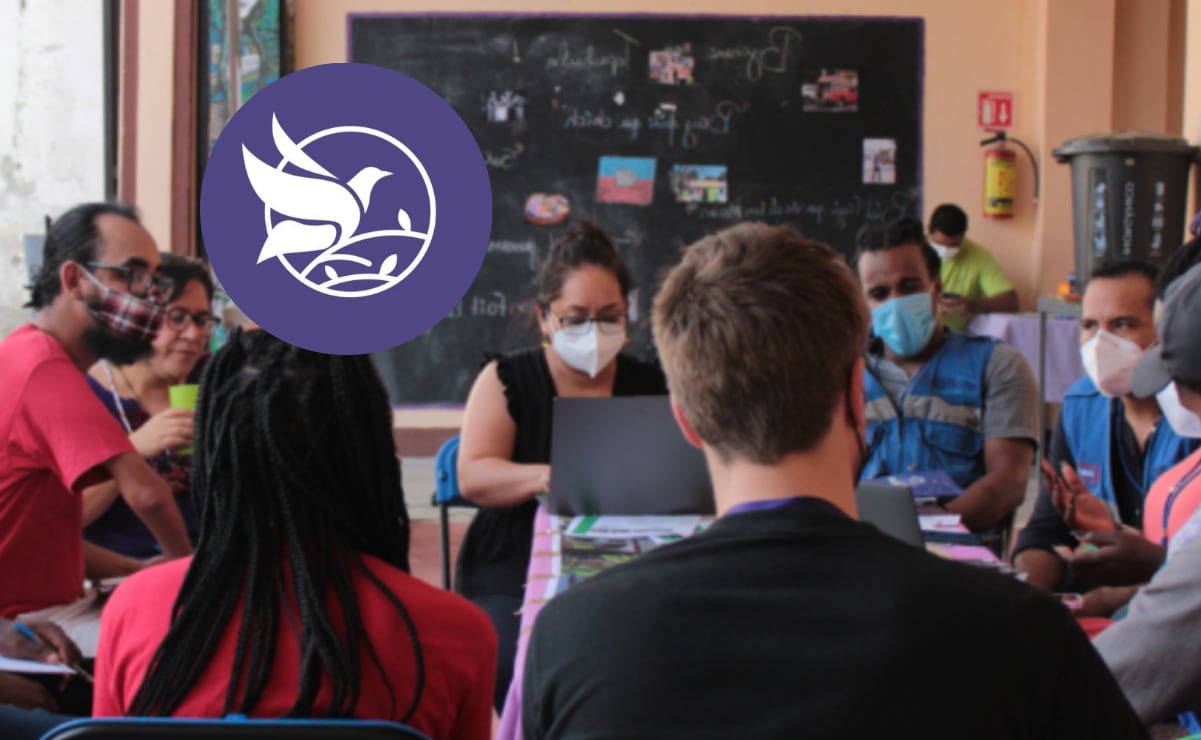
The Centro de Derechos Humanos Fray Matías de Córdova announced a temporary suspension of operations on Wednesday following a second security breach within 48 hours. The organization cited an immediate lack of safety conditions required to continue defending migrants and refugees along Mexico's southern border effectively. This decision marks the first time in 29 years the center has been forced to halt its activities due to external threats and intimidation tactics used by unknown actors. The move underscores the deteriorating security environment for civil society organizations operating in high-risk zones across the nation.
During the most recent incident, armed individuals raided the offices and stole documents while reportedly attempting to intimidate staff members significantly. El Universal reported that the organization had already filed a formal complaint on March 20, 2026, requesting immediate protective measures from federal authorities. Authorities failed to implement security protocols despite the repeated nature of the attacks within a short timeframe of less than two days. This lack of response suggests a systemic failure in the current protective frameworks designed for human rights defenders.
Staff members described the closure as a painful decision that directly harms the vulnerable populations they serve daily in high-risk transit zones. The leadership stated that the objective of the raid was to obstruct and dismantle their human rights work in the region permanently. This action effectively reduces the capacity to provide legal aid to hundreds of asylum seekers currently in transit without state support. The interruption of services creates immediate legal gaps for individuals navigating the complex asylum process in Mexico.
The organization explicitly blamed the Mechanism for Protection to Human Rights Defenders and Journalists for the omission regarding their safety guarantees. They argued that the state failed to provide the necessary guarantees for non-governmental organizations operating in high-risk border zones. This accusation highlights a growing tension between civil society groups and federal security institutions regarding jurisdiction and duty. The blame places the responsibility of oversight squarely on the federal body mandated to shield activists from violence.
The closure leaves hundreds of migrants and refugees in a state of heightened vulnerability across one of the most complex regions in the country. Without legal accompaniment, these individuals face increased risks of detention, exploitation, or deportation without due process or legal representation. The gap in services could strain local resources and complicate humanitarian efforts in the border states significantly. Local authorities are now scrambling to manage the influx of unassisted asylum seekers seeking refuge from violence.
Comparatively, this event represents a significant escalation in the threats faced by civil society actors in the current political climate. While similar incidents occurred in the past, the frequency of raids within a 48-hour window is unprecedented for this specific organization. It signals a potential softening of state protections for independent watchdogs under the current administration and security doctrines. Human rights groups have increasingly reported higher risks of violence and harassment in recent months.
From an economic perspective, the instability in migration management affects labor flows and regional trade agreements involving North American markets significantly. Uncertainty regarding border security can discourage foreign investment in southern Mexican states that rely on transit economies for growth. Policymakers must address these security gaps to maintain economic stability in the region and protect cross-border commerce. The cost of inaction may extend beyond humanitarian concerns to tangible economic losses in the southern corridor and trade reliability.
Legal analysts suggest the center may pursue further litigation against the government for negligence regarding the protection mechanism implementation. The outcome of any legal proceedings could set a precedent for how human rights organizations operate under threat in Mexico today. Future funding and operational strategies for NGOs will likely shift based on these security developments and risk assessments. Donors may pause contributions until the security situation stabilizes for field workers and local partners. This financial uncertainty adds another layer of complexity to the ongoing crisis.
International observers are monitoring the situation closely as it reflects broader trends in democratic backsliding within the hemisphere. Continued harassment of civil society groups could deter international aid and partnership opportunities for Mexican NGOs working on migration. The government faces pressure to demonstrate commitment to the rule of law before the next legislative session begins in Congress. Diplomatic channels are likely to raise concerns regarding the safety of independent actors in the region.
Stakeholders will watch for any official statements from the Secretariat of the Interior regarding the investigation into the robbery charges. The resolution of this incident remains critical for restoring trust between the state and human rights defenders in the region. Until then, the center remains closed, leaving a void in essential humanitarian services along the southern frontier of the nation. The situation remains fluid as the organization evaluates potential relocation options to ensure staff safety and continuity of operations.