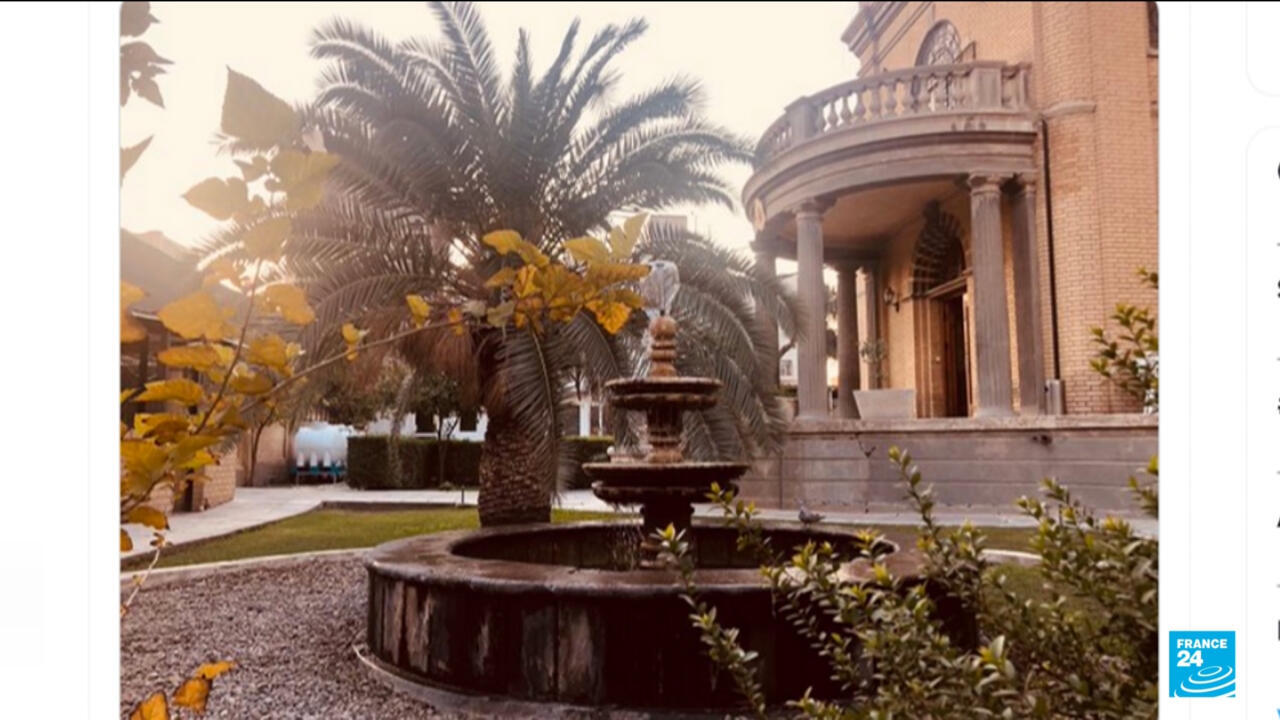
A significant legal challenge has been mounted against the French government concerning the status of its diplomatic mission in Baghdad. A Jewish family, descendants of the original owners, is suing France, alleging that the property currently housing the French Embassy was unlawfully seized in the 1950s and that compensation offered—if any—was inadequate.
This dispute touches upon the fraught history of Jewish communities in Iraq, many of whom were forced to liquidate assets or saw them confiscated following mass exoduses during the mid-20th century. The family asserts that France benefited from the use of this prime real estate without fulfilling appropriate rental or purchase obligations under the prevailing legal framework at the time of acquisition.
France's defense centers on jurisdictional grounds. Paris contends that the matter is fundamentally governed by Iraqi domestic law concerning property seizures and restitution. Therefore, the appropriate venue for resolution should be an Iraqi court, not a French tribunal.
However, this jurisdictional argument creates a significant practical barrier for the plaintiffs. Current Iraqi regulations effectively prohibit Jewish individuals from entering the country, rendering the pursuit of justice through local courts an impossibility for the claimants. This situation places the family in a legal limbo, unable to access the venue France deems appropriate.
The case underscores the enduring complexity of historical property claims that cross sovereign borders, particularly when entangled with shifts in national legislation and subsequent geopolitical realities. For international law practitioners, it raises questions about the extent to which a host nation can invoke domestic legal defenses when the claimant is barred from accessing that jurisdiction due to state-sanctioned discrimination.
While the immediate financial implications for the French state may be manageable, the case carries symbolic weight regarding France’s commitment to historical accountability and its diplomatic footprint in the Middle East. The outcome could set a precedent for how Western nations address historical property grievances tied to the displacement of minority populations decades ago.
Reporting by Shirli Sitbon for FRANCE 24 detailed the specifics of the family's claim and the legal maneuvering employed by both sides in this unusual international property confrontation. The proceedings are closely watched as they intersect issues of diplomatic immunity, historical restitution, and contemporary human rights concerns.