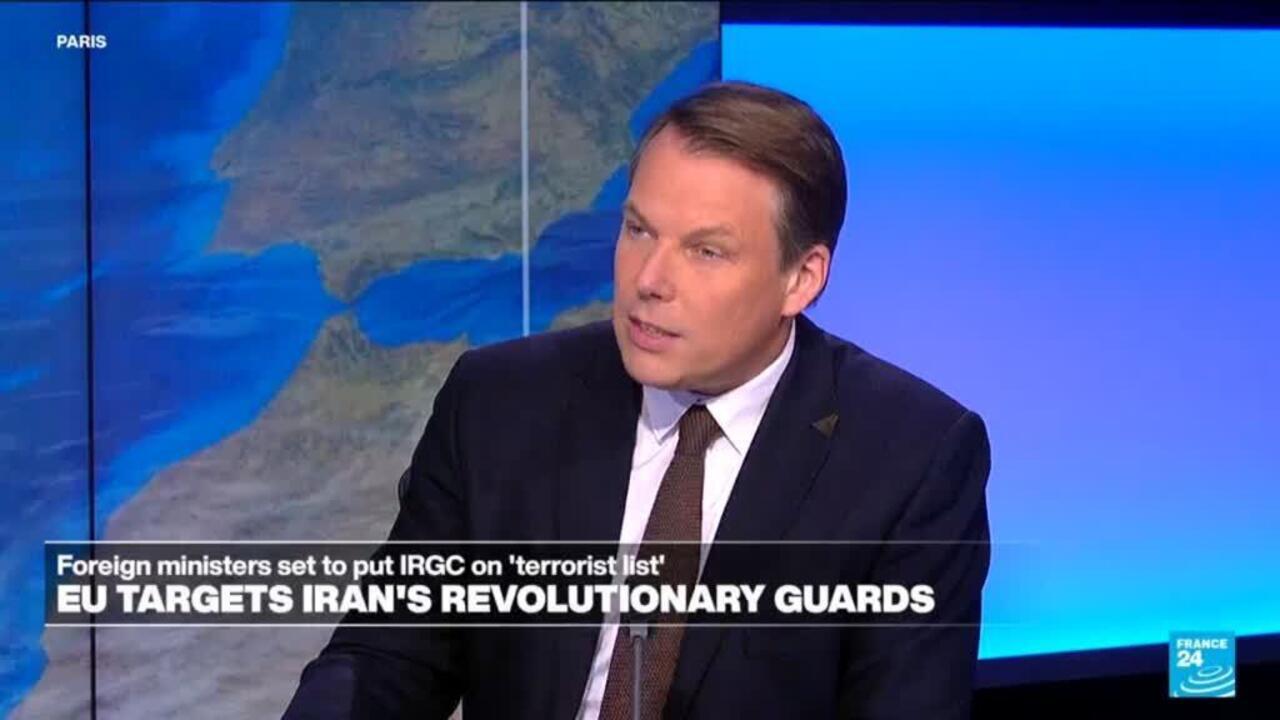
European Union foreign ministers are reportedly nearing consensus to formally place Iran’s Islamic Revolutionary Guard Corps (IRGC) onto the bloc’s official terrorism list. This impending decision, anticipated around January 29th, represents a notable hardening of the EU's diplomatic posture toward the Islamic Republic.
The designation, while potentially having limited immediate practical impact on the IRGC’s day-to-day operations, serves primarily as a potent political and symbolic rebuke. It follows months of sustained internal protests across Iran, which have been met with severe government crackdowns and numerous reported fatalities.
From an economic and financial perspective, the listing could complicate any remaining transactional channels between European entities and the IRGC, which holds substantial influence over significant sectors of the Iranian economy. It further aligns the EU more closely with the hardline stance currently adopted by Washington regarding Tehran.
Geopolitically, this move underscores a growing rift. By formally labeling a core component of the Iranian state apparatus as a terrorist entity, Brussels is signaling that the threshold for engagement and normalization has been significantly raised. This action will undoubtedly provoke a sharp reaction from Tehran, which views the IRGC as essential to national security and regional stability.
Analysts suggest that the primary implication lies in future diplomatic maneuvering. A designated terrorist listing severely restricts the scope for high-level dialogue, effectively closing off avenues for nuanced engagement on issues ranging from the nuclear program to regional proxy conflicts.
This decision is expected to be a key topic for discussion among EU foreign policy chiefs, balancing the desire to support human rights demonstrators with the need to maintain any residual leverage over the Iranian regime. The long-term fallout on regional security architecture remains a central concern for European capitals.
This development, sourced from reporting by FRANCE 24’s James André, indicates a significant pivot in European foreign policy—prioritizing condemnation over diplomatic ambiguity in response to internal repression. The practical enforcement mechanisms and potential secondary sanctions implications will now be closely scrutinized by global markets and defense analysts.