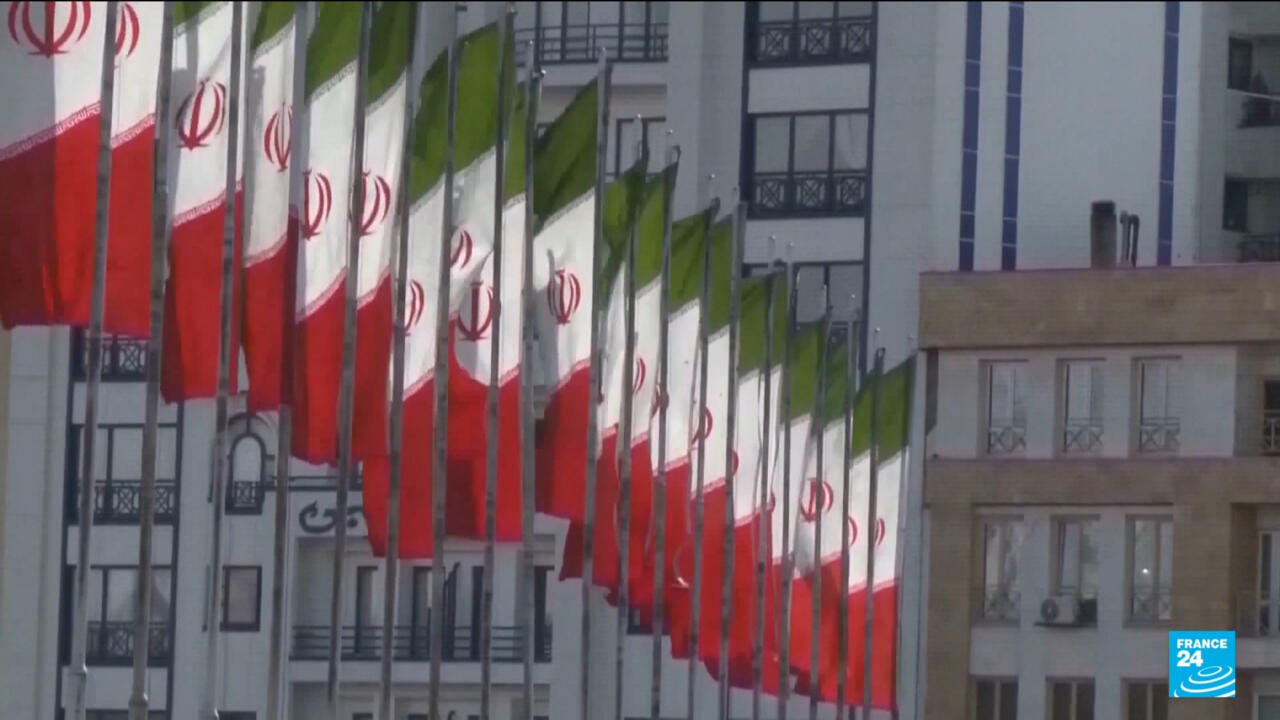
The European Union has formally adopted a resolution designating the Islamic Revolutionary Guard Corps (IRGC) as a terrorist organization, an action that has been anticipated but carries significant weight for international relations. This move effectively aligns the EU’s security posture more closely with that of the United States, which has maintained this designation for years.
The implications for ongoing diplomatic channels are severe. Experts suggest that this formal categorization fundamentally alters the framework for engagement, moving the relationship from one of state-to-state dialogue toward one characterized by confrontation. The designation complicates any future efforts at de-escalation or negotiation regarding regional stability and Iran’s nuclear program.
From the perspective of Tehran, this decision crosses a critical 'red line.' The IRGC is not merely a military force but a cornerstone of the Islamic Republic’s political, economic, and ideological structure. Such a designation is likely to be viewed by the regime as an existential threat, rather than a targeted sanction.
Geopolitical analysts are now closely watching the reaction from Washington, where discussions reportedly include weighing further military options. The convergence of EU and US policy places intense pressure on the regime, raising concerns that it might interpret this unified stance as an opening for a 'war of survival' posture.
Crucially, this heightened external pressure may paradoxically incite the regime to consolidate internal control. A perceived existential threat often leads authoritarian structures to intensify crackdowns on domestic opposition, viewing internal dissent as a vulnerability that external adversaries might exploit.
This development signals a significant tightening of the Western approach toward Iran, moving beyond traditional sanctions into outright security confrontation via legal classification. The efficacy of this strategy in coercing policy change, versus its potential to destabilize the region further, remains the central question for global security planners.
(Source attribution: Based on reporting and analysis referencing International Crisis Group perspectives.)