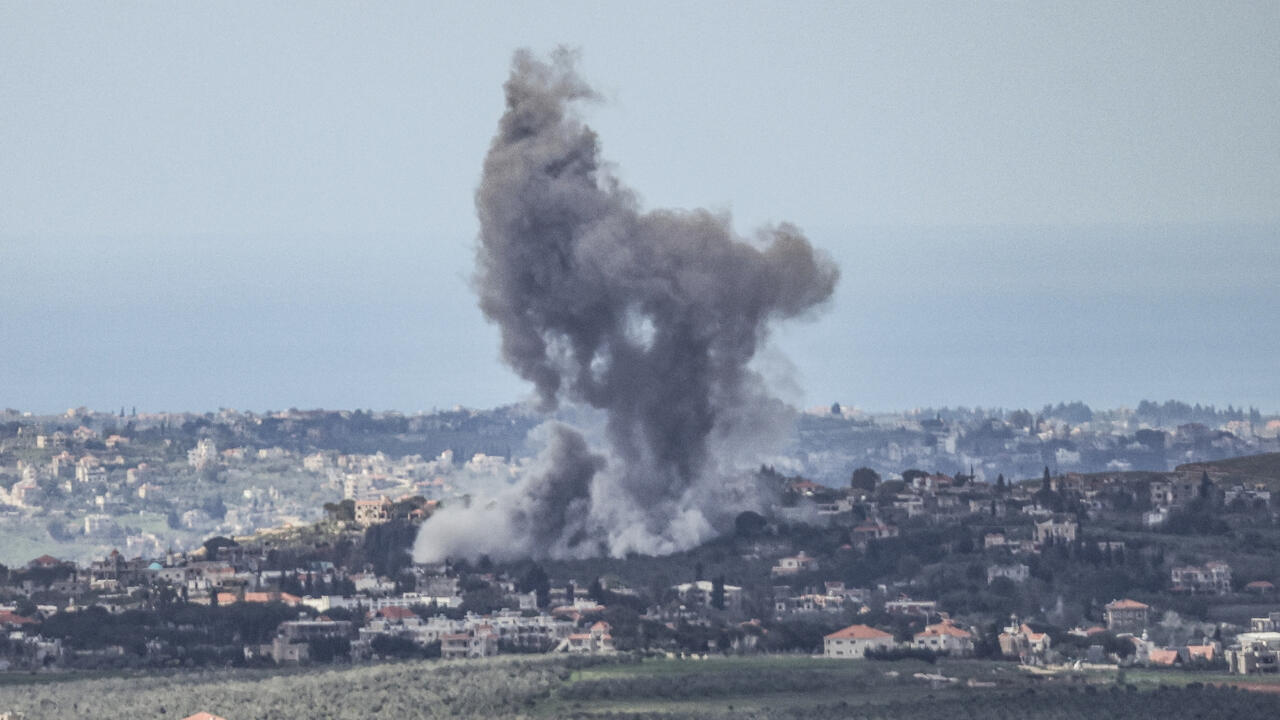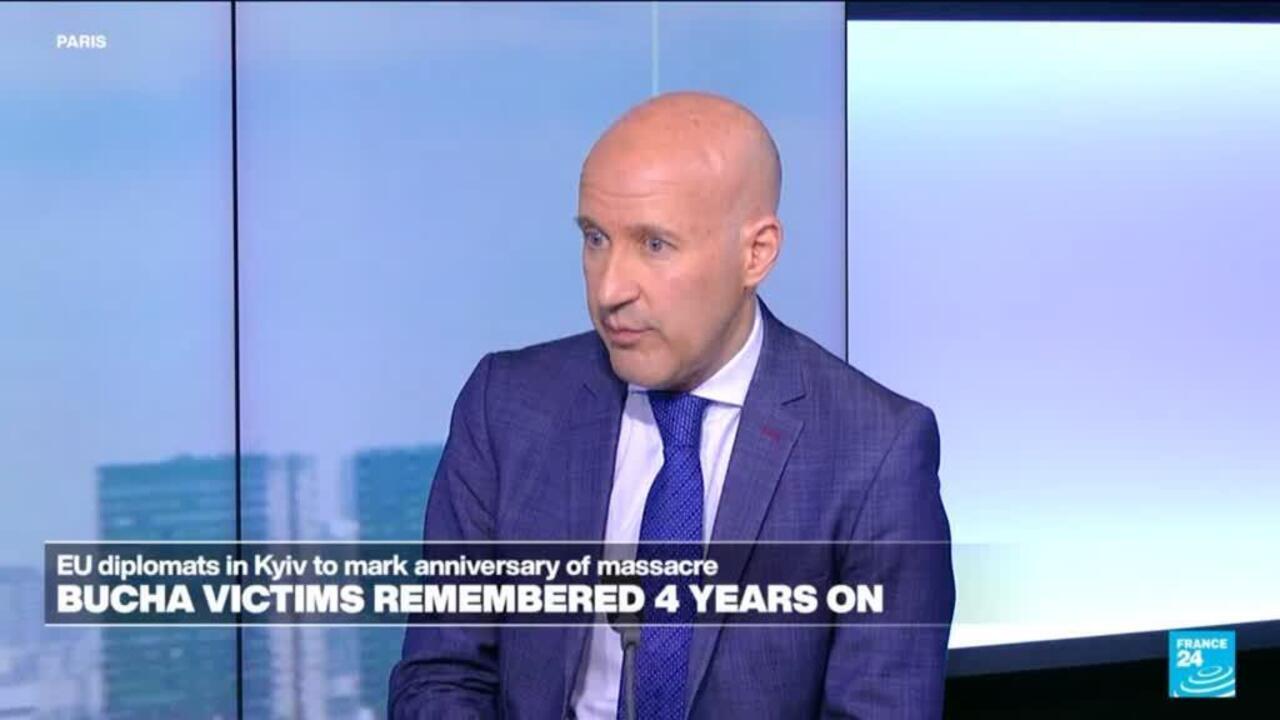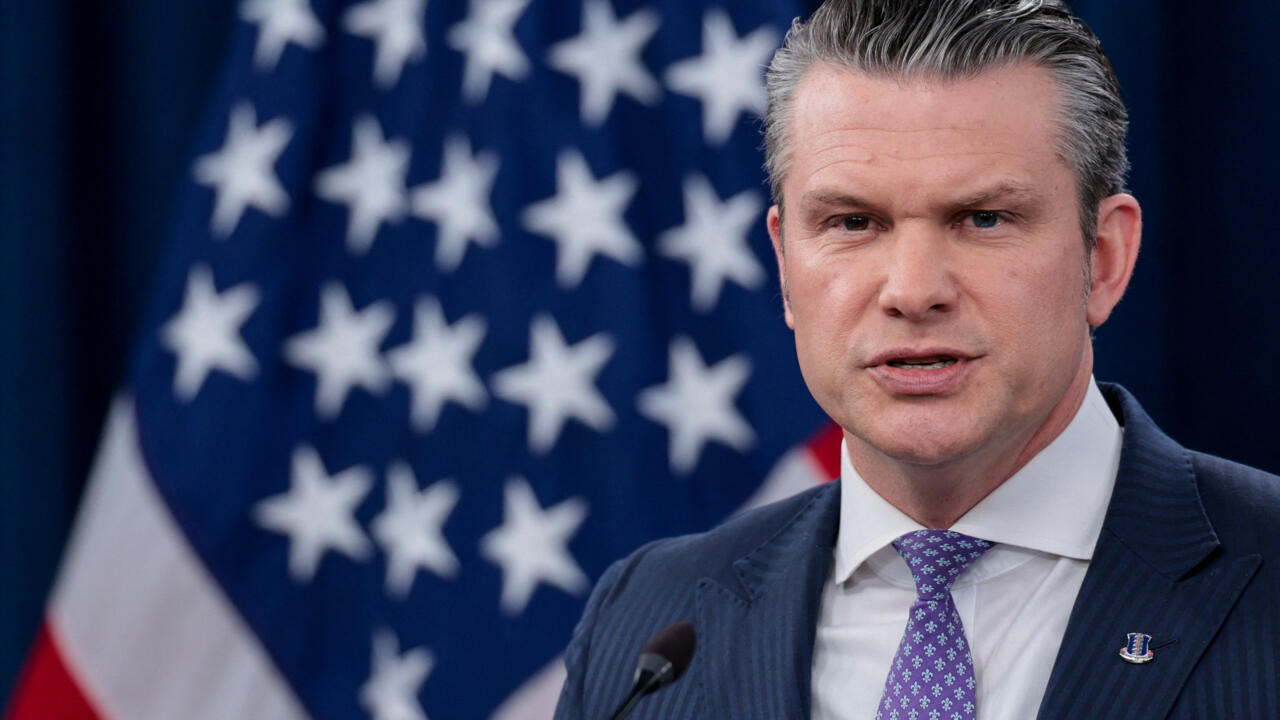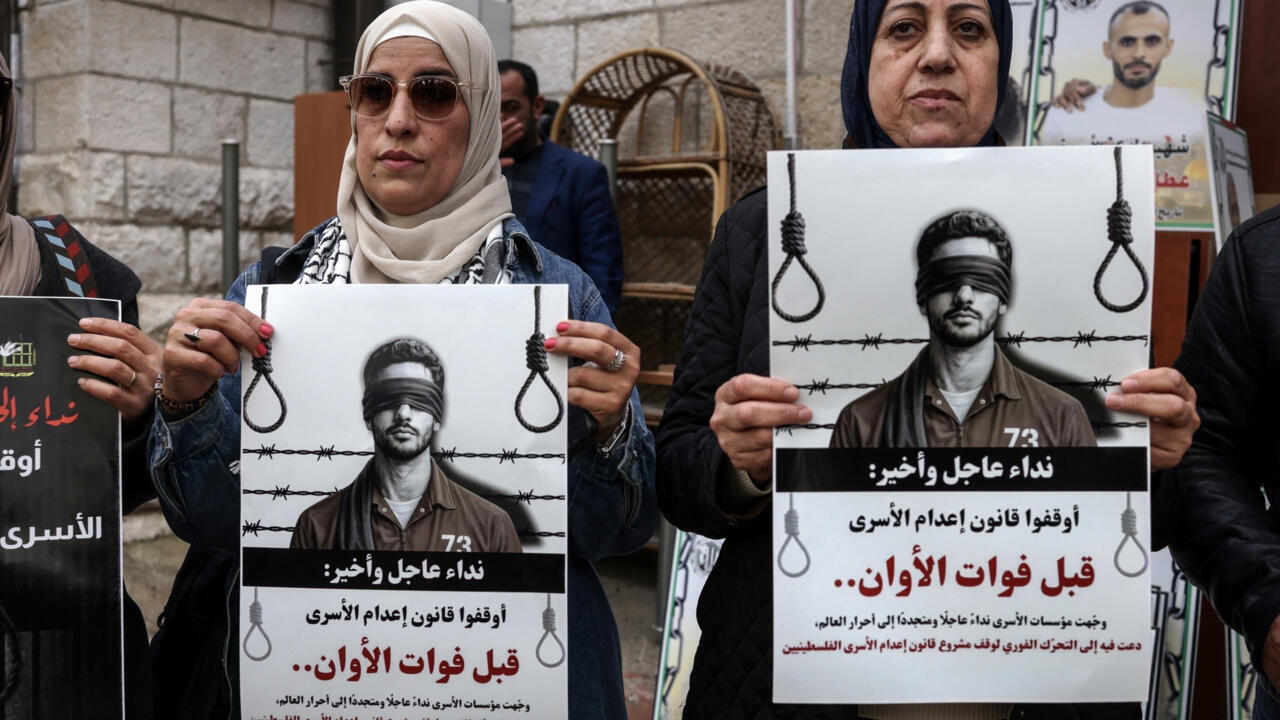
The European Union issued a stern rebuke on Tuesday concerning Israel's legislative efforts to legalize capital punishment for Palestinians found guilty of killing Israelis. A Commission spokesperson characterized the proposed law as a significant violation of international humanitarian standards during a scheduled briefing in Brussels. This diplomatic move underscores deepening tensions between key Western partners and the Israeli government over the conduct of the war in the Gaza region.
Israel's parliament passed the bill on Monday, establishing hanging as the mandatory sentence for Palestinians convicted in military courts of deadly attacks against citizens. The measure fulfills a campaign pledge made by Prime Minister Benjamin Netanyahu's far-right coalition partners during recent electoral cycles in the nation. Implementation of the law would alter sentencing structures for non-citizens within the military court system operating in the occupied territories effectively.
Global Reaction
The European Union emphasized that the new legislation contradicts Israel's previous principled position regarding international legal obligations. A spokesperson stated, "We call Israel to abide by its previous principled position, its obligation under international law and its commitment to democratic principles." He added that the commission had no immediate speculation regarding specific punitive steps against the nation at this time.
The United Nations rights chief Volker Turk announced on Tuesday that the legislation violates fundamental humanitarian law protections. His office issued a statement describing the move as deeply discriminatory and raising serious concerns about due process violations. Turk urged the Israeli government to promptly repeal the measure to prevent further erosion of regional legal standards.
Diplomatic Fallout
Spain's Prime Minister Pedro Sanchez condemned the measure as a step towards apartheid on his social media platform on Tuesday. He argued that the policy represents an asymmetrical legal framework that would not apply to Israelis committing the same crimes publicly. Sanchez described the action as another step towards apartheid, noting that the world cannot remain silent on such disparities.
Spain has been embroiled in a diplomatic standoff with Israel since Madrid criticized the Israeli government during the 2023-25 Gaza war. Officials in Tel Aviv have previously labeled Madrid's stance as antisemitic on several occasions throughout the conflict period. The rift worsened this month after Spain opposed the US-Israel attacks on Iran, leading Madrid to withdraw its ambassador permanently on March 11.
Broader implications suggest this legal shift could impact regional stability and international relations within the Middle East framework significantly. Legal experts warn that such measures may complicate future negotiations regarding human rights frameworks and bilateral agreements between sovereign states. The situation requires close monitoring as other nations assess their diplomatic responses to the evolving legal landscape across the globe.
Investors and policymakers will watch for potential sanctions or shifts in aid packages depending on the outcome of ongoing diplomatic reviews by the Commission. The European Commission may revisit existing cooperation agreements if the law is finalized without modification regarding military court procedures. Continued escalation could strain transatlantic ties and influence global security strategies in the coming quarters.