The National Libertarian Party announced Monday that it will formally pursue a constitutional accusation against former Health Minister Ximena Aguilera. This legal action follows a critical report released by the Comptroller General regarding preferential treatment for Aguilera’s mother during a public hospital surgery. The decision marks a significant escalation in the debate over government probity within the Chilean health system. Officials state the party is prepared to move quickly to file the necessary documentation with the Chamber of Deputies.
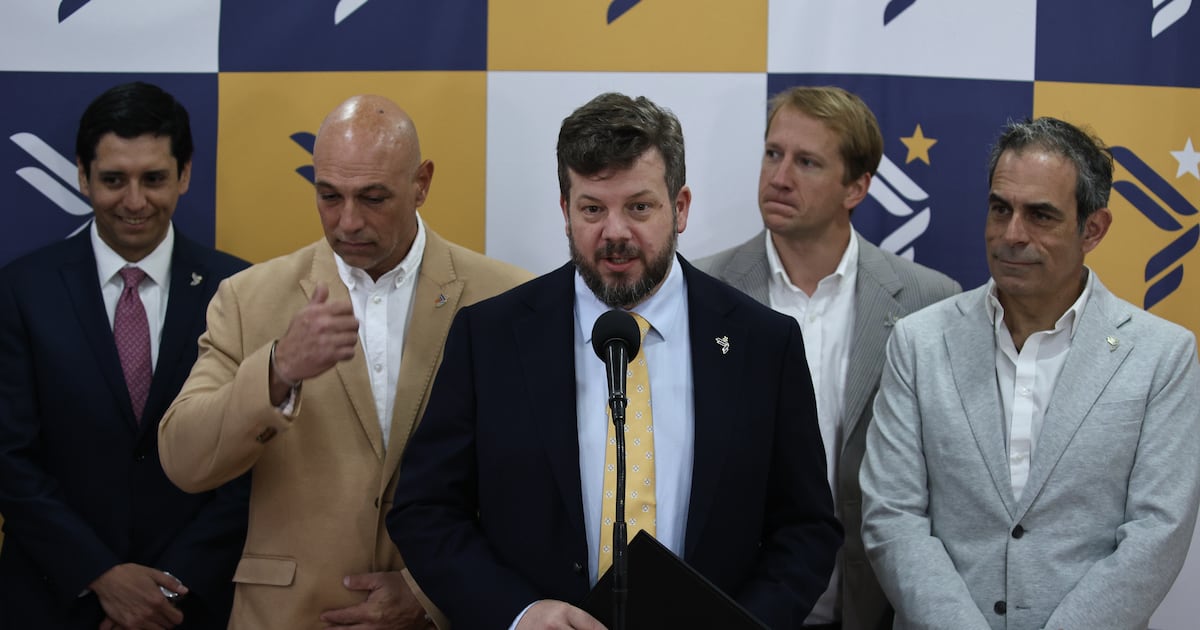
Hans Marowski, president of the PNL parliamentary bench, confirmed the party’s intent to file the charges during a scheduled press conference. He stated that the legal text is already advancing internally and requires necessary signatures from other lawmakers to proceed effectively. Marowski emphasized the party’s commitment to prosecuting perceived abuses of public office regardless of political affiliation or party lines. He further noted that the delay in filing was due to the time needed to review the official administrative records.
The controversy stems from documented phone calls made by the Ministry of Health to expedite a specific medical procedure for a family member. A report identified Manuel Nájera, an advisor to the former minister, as the individual initiating contact with hospital staff directly. These actions allegedly prioritized Aguilera’s mother over other patients waiting for care in the emergency system queue. The investigation reveals coordination occurred shortly before the patient arrived at the facility.
Medical records indicate the surgery took place on December 23 at the Hospital del Salvador located in Santiago de Chile. The patient arrived with a severe hip fracture and underwent the operation approximately 10 hours later than typical emergency protocols. Critics argue this timeline suggests an irregularity in the standard emergency triage process used by public institutions nationwide. Media outlets have obtained details showing the patient was moved to the operating room faster than others.
Johannes Kaiser, the president of the National Libertarian Party, highlighted the severity of the situation during the same public event. He noted that another patient died while waiting in the queue for treatment during the same period at the hospital. Kaiser stated that lifting a phone to bypass a waiting list is not a minor issue given the loss of life involved. He argued that the integrity of the system depends on strict adherence to established medical protocols.
Under Chilean law, a constitutional accusation requires a minimum number of signatures from lawmakers to be valid and processed. The PNL claims to have the support necessary to move the case forward in the Chamber of Deputies for further review. This specific process allows for the temporary removal of high-ranking officials from their positions pending trial. The threshold is designed to prevent frivolous claims while allowing for serious accountability measures.
The incident has drawn significant attention to the broader issue of equity within the public healthcare network across the country. Similar allegations of preferential treatment have surfaced in previous years across the region during times of social unrest. This case underscores the fragility of trust in state institutions during periods of high social tension and public scrutiny. Health unions have expressed concern regarding the potential impact on public confidence in the system.
Authorities from the Public Prosecutor’s Office continue to investigate the allegations independently from the legislative body proceedings. Marowski indicated that the legislative action runs parallel to the judicial inquiry currently underway by state investigators. The outcome of the investigation will determine the future of the former minister’s political career and reputation significantly. Both tracks aim to establish the facts surrounding the administrative conduct of the office.
The ruling coalition and opposition parties have yet to issue a unified response to the specific accusations lodged by the PNL. Analysts suggest the political fallout could influence upcoming legislative negotiations regarding health reform in the congress. Observers will watch closely to see if the PNL can secure the necessary votes for the accusation to pass. The political landscape remains volatile as multiple parties weigh their strategic interests in the matter.
This development adds complexity to the ongoing discourse regarding administrative probity in Chilean governance and public service. It highlights the challenges of maintaining public trust in essential services like the national health sector under pressure. The final resolution remains pending further judicial and legislative reviews over the coming weeks and months. Stakeholders will monitor the case for any precedent it sets for future government accountability.