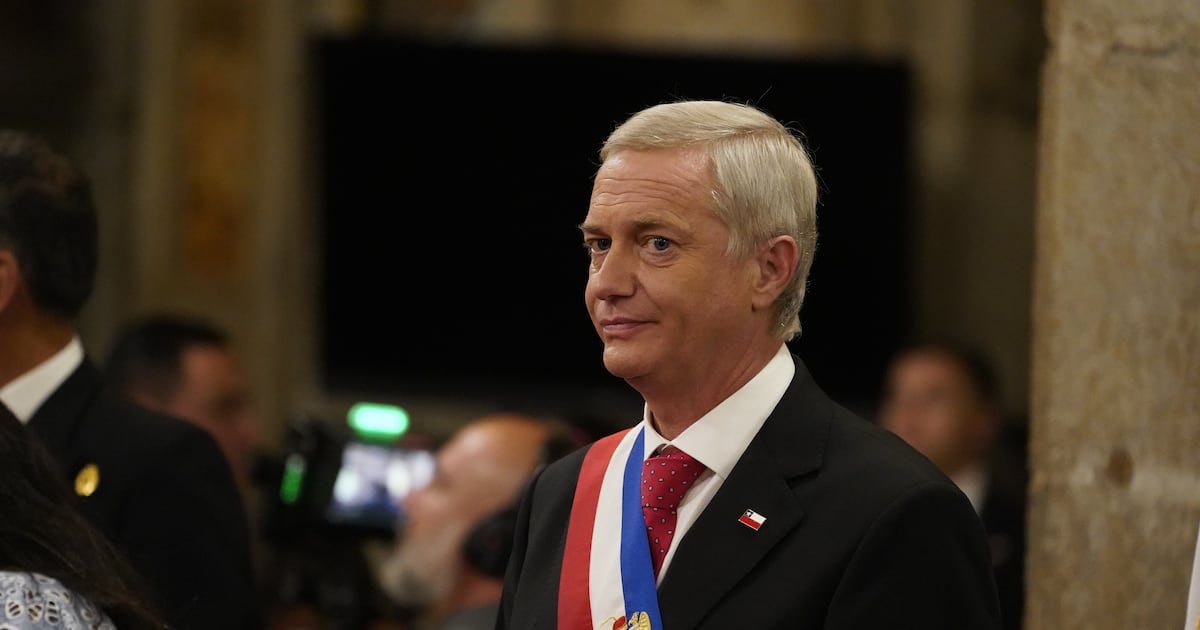
A recent Cadem poll published by La Tercera reveals a significant decline in the approval rating of Chilean President José Antonio Kast. The Plaza Pública survey indicates his approval rating fell six percentage points to reach 51% during the third week of March. This shift occurs against a backdrop of economic uncertainty driven by global conflicts affecting fuel costs and domestic inflation. The data underscores the volatility of the political landscape in the Andean nation.
Disapproval numbers rose in equal measure, climbing to 42% from previous readings recorded earlier in the month. The data highlights a pronounced erosion of support among specific demographic groups across the nation. Women reported a 13-point drop in backing the head of state, leaving the figure at 40% according to the study.
Significant declines also appeared among residents aged 35 to 54, who saw their support drop 12 points. Households in lower socioeconomic sectors registered a 10-point decrease in their evaluation of the administration. Furthermore, inhabitants of the Metropolitan Region experienced a 16-point decline in approval overall.
Support among voters who cast null or blank ballots previously collapsed by 20 points to sit at 30%. Those who backed Franco Parisi in the last election saw his approval of Kast fall 31 points to 35%. Adherents of Evelyn Matthei also reduced their rating by 15 points, reaching 55% in the latest assessment.
Economic factors appear central to this deterioration in public perception of the current government. 92 percent of respondents stated they were informed about potential gasoline price increases up to $300 per liter. This surge stems from international market fluctuations caused by the ongoing war in the Middle East region.
83 percent of the population indicated that a fuel price hike would significantly impact their household finances. 60 percent anticipate facing severe economic difficulties as a result of these rising energy costs. Consequently, many citizens plan to reduce other expenditures to manage the financial strain effectively.
The debate surrounding the MEPCO mechanism divides public opinion regarding fiscal responsibility and energy policy. 48 percent believe the government should borrow to maintain subsidies even if it increases the fiscal deficit. In contrast, 30 percent prefer eliminating the mechanism to allow prices to fluctuate freely in the market.
Public sentiment regarding responsibility for the crisis shows most blame external factors for the situation. 53 percent attribute the price rise to international conflict, while 26 percent hold the current administration accountable. Only 16 percent of respondents blamed the former president Gabriel Boric for the current economic pressures.
Trust in national institutions remains uneven, with Firefighters leading at 95% approval despite a slight dip. The Police of Investigations and Carabineros follow with 72% and 71% respectively in their standing. Gendarmería suffered a historic 19-point drop to reach a low of 32% this month.
These findings suggest economic pressures will continue testing political capital in the coming months. Market volatility regarding energy prices remains a critical variable for the administration to manage. Stakeholders will likely monitor how future fiscal policies address these public concerns regarding inflation. Analysts warn that energy subsidies could strain national accounts further.