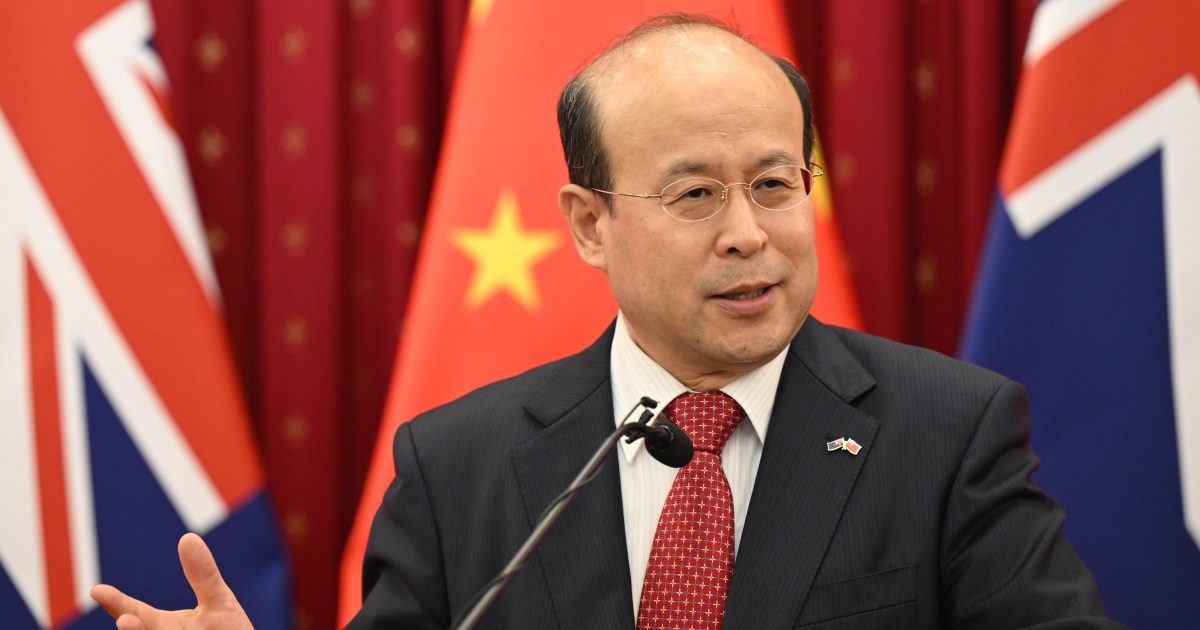
Beijing has escalated its diplomatic posture regarding the Port Darwin lease, with China's Ambassador to Australia, Xiao Qian, strongly criticizing Canberra's moves to potentially retake control of the strategically vital port facility. The warning signals a significant hardening of Beijing’s stance on infrastructure assets controlled by Chinese entities in allied or partner nations.
Since 2015, the lease for Port Darwin, located in Australia's Northern Territory, has been managed by Landbridge Group, a company owned by Chinese billionaire Ye Cheng. The initial $350 million deal was intended to spur economic development in the sparsely populated region, but it has since become a focus of national security scrutiny.
Australian Prime Minister Anthony Albanese committed during last year's election campaign to restoring the facility to Australian government or local control, citing national interest concerns. Ambassador Xiao Qian directly challenged this position during a media briefing, framing the potential move as unethical business practice: “When you’re losing money, you want to lease it to a foreign company, and when it’s making money, you want to take it back?”
Crucially, the Chinese Ambassador indicated that Beijing is prepared to retaliate. Xiao stated that China would "take measures" to defend Landbridge’s interests if the Australian government proceeded with altering the agreement unilaterally, though he refrained from detailing the specific nature of these potential actions.
Despite years of debate and multiple government security reviews—including one commissioned by the current administration—concluding there were no grounds to legally void the contract, the Albanese government remains committed to its objective. Prime Minister Albanese reiterated his intention to secure Australian control during a recent visit to East Timor, emphasizing the national security imperative.
This diplomatic confrontation underscores the complex balancing act Canberra must navigate. While China remains Australia's foremost trading partner, with bilateral trade valued at $218 billion in 2024-25, relations have been strained by ongoing disputes concerning security protocols and geopolitical alignment. The Port Darwin issue crystalizes the tension between economic interdependence and sovereign security concerns, setting a precedent for how Western nations handle long-term infrastructure leases with entities linked to Beijing.
Source: Based on reporting from Al Jazeera.