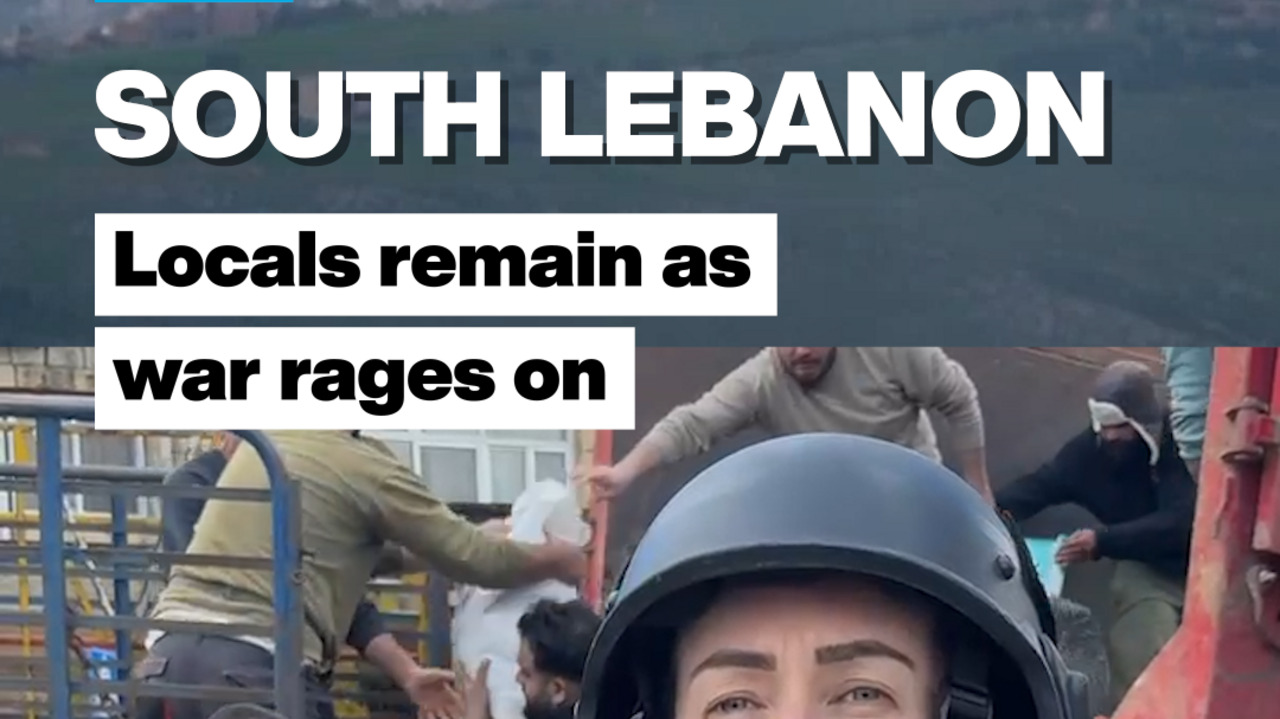
On March 30, 2026, a humanitarian aid convoy successfully entered the town of Marjayoun in southern Lebanon despite ongoing hostilities. France 24 journalists accompanied the mission as fighting continues near the Israel border. Residents report that these convoys represent their last resort for essential necessities in a region cut off from standard supply chains. Local authorities note the urgency of the operation given the dwindling stockpiles.
The journey took reporters Melina Huet and Achraf Abid through contested zones to deliver relief supplies to the isolated town. They documented the logistical challenges faced by aid groups in active war zones across the border. Thousands remain in the region despite the escalating security risks for civilians and staff. The convoy navigated minefields and checkpoints that threatened the mission at every turn.
Humanitarian Challenges
Infrastructure damage complicates the delivery of food and medical supplies to the isolated population significantly. Local officials state that the blockade restricts movement significantly for those seeking help daily. The situation mirrors previous humanitarian crises in the region that strained international resources heavily. Aid agencies warn that the window for effective intervention is closing rapidly.
Aid workers face constant threats from unexploded ordnance and active combat units in the area constantly. They must navigate checkpoints that change without warning during their daily routes to the village. Many have reported delays that compromise the freshness of perishable goods being transported to families. Safety protocols are often insufficient against the unpredictable nature of the active conflict.
"Nowhere is safe," said a local resident near the border zone.
This quote highlights the pervasive fear among the civilian population regarding their immediate safety from violence. Security threats drive displacement even when resources are scarce and basic needs go unmet for weeks. International observers note the strain on regional stability caused by the prolonged violence and fighting. The psychological toll on residents adds a secondary layer of crisis to the physical destruction.
Regional Economic Impact
The conflict disrupts trade routes critical for the Levantine economy and regional stability significantly. Supply chain interruptions affect pricing for basic commodities in nearby markets like Beirut and Tyre. Investors monitor the situation closely for potential volatility in energy and logistics sectors globally. Cross-border commerce has seen a marked decline since the escalation began in early 2026.
Diplomatic efforts to de-escalate the conflict face significant hurdles from multiple geopolitical actors in the region. Previous negotiations have failed to secure lasting ceasefires in the disputed border territories effectively. Future stability depends on regional cooperation and guaranteed access for humanitarian organizations operating there. Nations are urging immediate dialogue to prevent further displacement of vulnerable populations.
Analysts predict continued strain on local infrastructure without external intervention and immediate aid. The international community must weigh humanitarian needs against security concerns for all parties involved. Monitoring the situation remains a priority for global organizations tracking the conflict and its spread. Continued assessment will determine the long-term outlook for economic recovery in the southern sector.