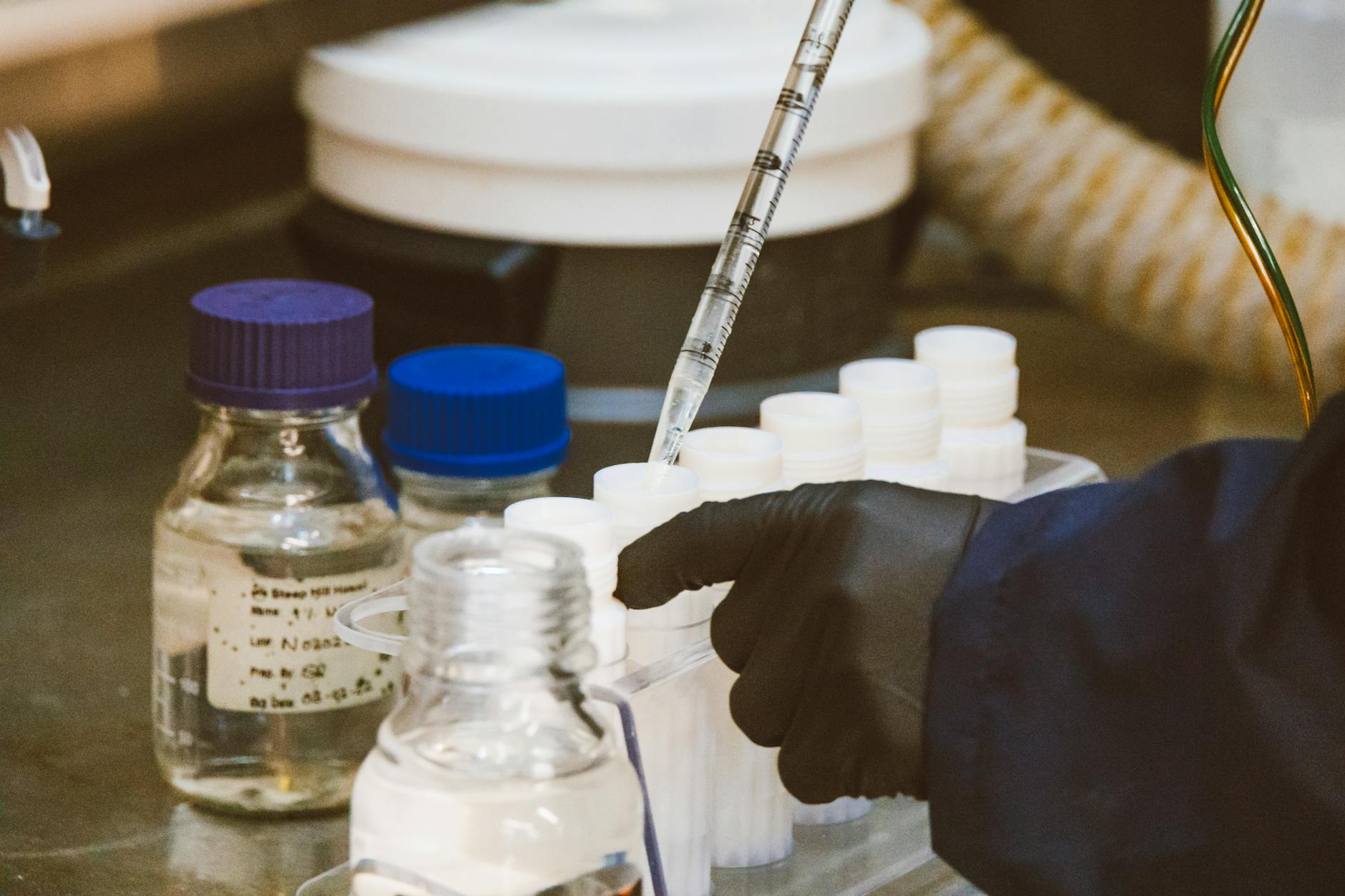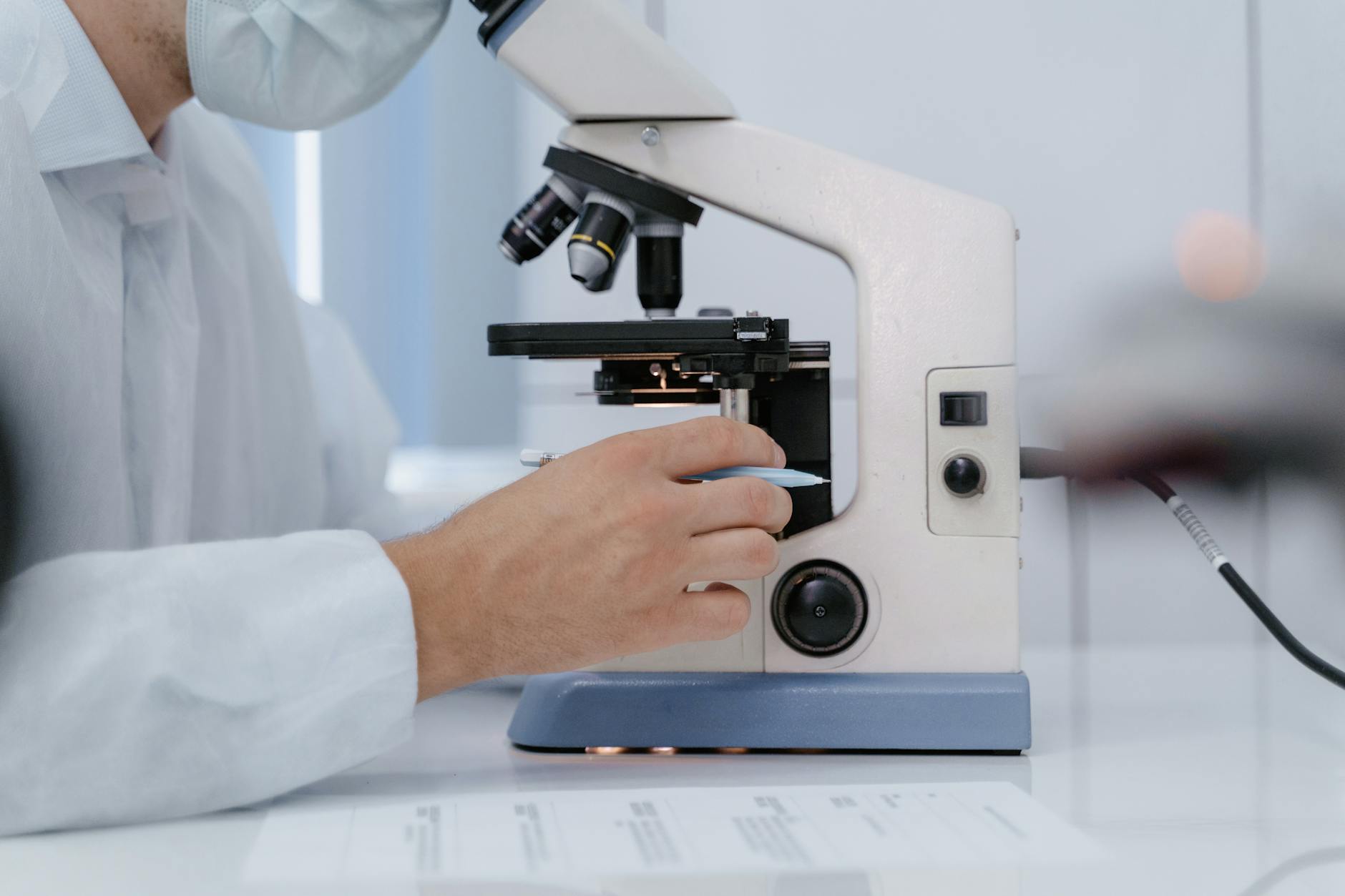
Researchers at Oregon State University have successfully observed the molecular chemical interactions that drive Alzheimer’s disease in real time. The study, published in the journal ACS Omega, provides a new level of clarity regarding how metal ions trigger the protein clumping that disrupts communication between brain cells.
Marilyn Rampersad Mackiewicz, an associate professor of chemistry at the university, led the research team. By utilizing a specialized measurement technique, the scientists tracked how copper ions interact with amyloid-beta proteins to form damaging clusters.
Observing molecular damage
Previous studies into Alzheimer’s often focused on the end results of brain deterioration rather than the process itself. Mackiewicz stated that her team’s new method allows them to watch these interactions second by second. This shift in observation allows researchers to directly measure how specific molecules interrupt or reverse the aggregation process.
"We developed a method that lets us observe those interactions live, second by second, and directly measure how different molecules interrupt or reverse them," Mackiewicz said. "It shifts the question from 'does something work?' to 'how does it work, and when?'"
The team evaluated the effectiveness of chelators, which are molecules capable of binding to metal ions. While some chelators captured metal ions indiscriminately, the researchers identified a specific type that selectively binds to copper. This selectivity is critical, as copper is believed to be a primary driver of the protein aggregation found in Alzheimer’s patients.
Although clinical applications are still years away, the findings provide a refined roadmap for drug development. The researchers noted that traditional treatments often fail because of an incomplete understanding of how amyloid-beta aggregation occurs.
The project involved a collaborative effort between faculty and undergraduate students, including Alyssa Schroeder of Oregon State and a team from Portland State University. The group was supported by the SURE Science Program.
Moving forward, the team intends to test these findings in more complex biological systems, including cellular and preclinical models. The goal is to translate these molecular observations into future therapies that could potentially halt or reverse brain damage caused by the disease.