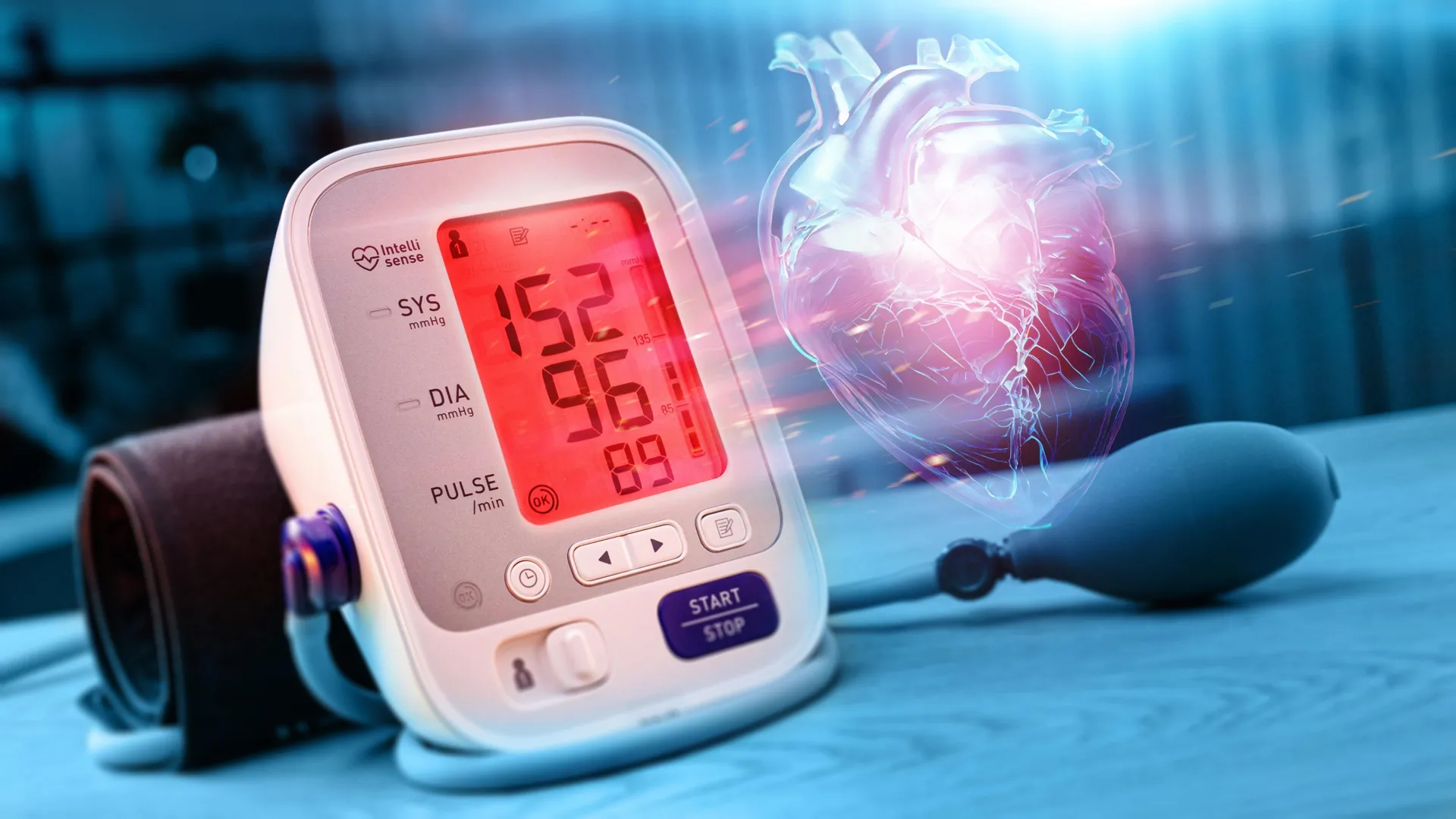
The MOMENTUM study reveals that 27% of patients with resistant hypertension have hypercortisolism. This finding suggests excess cortisol is far more common in these cases than previously believed. Published by ScienceDaily, the research impacts millions of Americans struggling with uncontrolled blood pressure. The results were presented at the American College of Cardiology's Annual Scientific Session.
Researchers evaluated 1,086 participants across 50 centers nationwide to gather this data. The study was conducted at major institutions including Mount Sinai Health System in New York. Participants underwent a dexamethasone suppression test to confirm eligibility for the analysis.
This medical test involved taking a dose of dexamethasone at night and drawing blood the next morning. Scientists measured cortisol levels to identify patients who could not suppress the hormone naturally. Those with levels above 1.8 ug/dL were classified as having hypercortisolism according to the protocol.
Out of the 1,086 participants, 297 were found to have hypercortisolism representing 27%. The study also identified factors that increase the likelihood of having this condition significantly. Patients with reduced kidney function were more likely to have elevated cortisol levels in the findings.
Resistant hypertension occurs when blood pressure remains high even after taking three or more medications. Nearly 10 million people in the United States are affected by this persistent and difficult condition. Researchers are increasingly recognizing that underlying health issues may prevent standard treatments from working effectively. Treating this condition often requires expensive long-term medication regimens that strain public health budgets.
Deepak L. Bhatt, MD, MPH, MBA stated that the findings differ from historical medical teachings significantly.
"The fact that such a high percentage (more than 25%) of patients with resistant hypertension have elevated cortisol levels is very different from what doctors have been historically taught in medical school," Bhatt said.
He emphasized that these results should prompt more screening for excess levels of cortisol in patients.
Another condition linked to resistant hypertension is primary hyperaldosteronism in the body. About 20% of participants had this disorder and roughly 6% had both hypercortisolism and hyperaldosteronism. Identifying these overlapping conditions may help explain why some patients struggle to control their blood pressure.
The findings suggest that physicians should consider elevated cortisol as a possible cause of resistant hypertension. Testing is relatively simple and many patients are eager to find an explanation for their difficult condition. Patients whose blood pressure stays high despite multiple medications may benefit from asking their doctor about screening.
The next step to further this research is conducting randomized trials to determine efficacy. Researchers aim to see if therapies that lower the impact of cortisol can safely and effectively treat high blood pressure. Study funding came from Corcept Therapeutics Incorporated which sponsored the investigation.
This research opens the possibility that treating hypercortisolism could provide a new way to lower blood pressure. Identifying excess cortisol as a contributing factor may help explain why some patients struggle to control their blood pressure. Public health officials must consider how these findings alter standard care pathways and resource allocation.