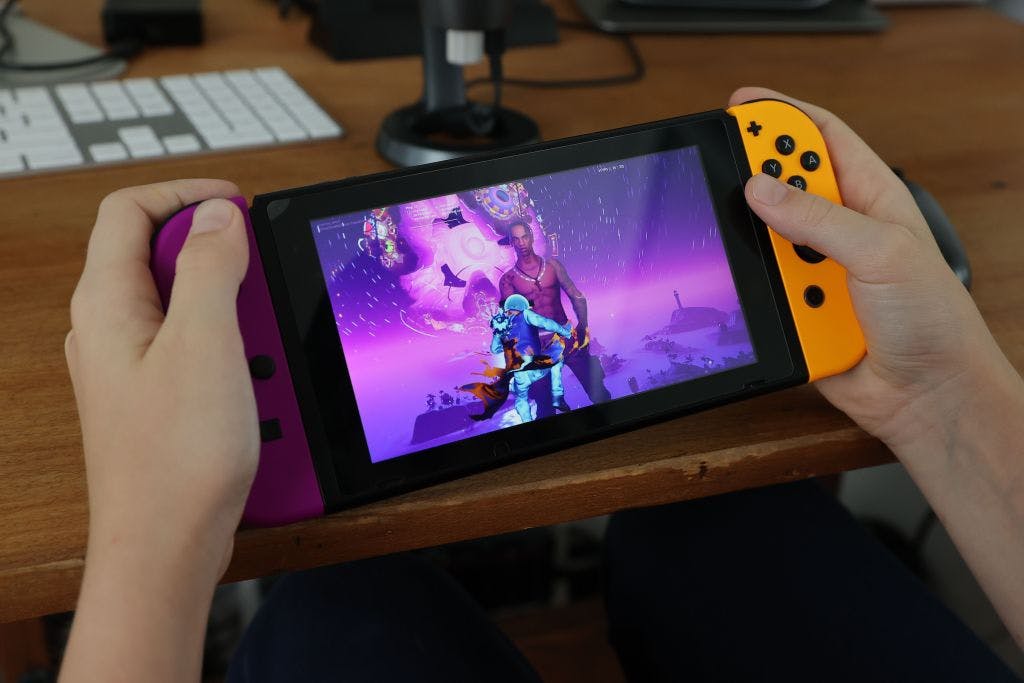
Epic Games announced Tuesday that it is cutting 1,000 jobs across the organization as user engagement slows down significantly for its primary revenue driver. This decision comes after internal financial analysis showed the studio spending substantially more than it generates from its flagship title during this fiscal period. The Seattle-based developer stated these cuts are necessary to maintain funding stability during a downturn in player activity that started earlier this year and continues into 2025.
Management noted that the company has identified over 500 million dollars in cost savings through contracting, marketing adjustments, and closing open roles. These measures combined with the personnel reductions put the company in a more stable financial position moving forward while continuing development on key platforms. The firm aims to align its operational expenses with current revenue streams without compromising long-term innovation or creative output for users globally.
"The downturn in Fortnite engagement that started in 2025 means we're spending significantly more than we're making, and we have to make major cuts to keep the company funded. This layoff, together with over 500 million of identified cost savings in contracting, marketing, and closing some open roles puts us in a more stable place," Epic said.
Key DetailsThis marks the second major round of layoffs in three years for the gaming giant. In 2023, the company cut more than 800 jobs amid widespread industry cost cutting across the sector. Hiring a new general counsel with extensive experience in IPOs in January ignited rumors that it may be planning its own public offering soon. A move to slash costs sharply like this one could certainly add fuel to that fire for investors watching closely.
Struggling with engagement puts Fortnite, one of gaming's biggest black holes along with rivals Roblox and Microsoft's Minecraft, in a tough situation. The free-to-play game cannot fall back on box price or a pause in development to generate revenue like traditional publishers might do. This structural challenge forces the company to rely heavily on microtransactions and user-generated content for profitability while managing rising operational costs.
Earlier this month, Epic hiked the price of the in-game currency in Fortnite, v-bucks, explaining that the cost of running Fortnite has gone up a lot. This adjustment reflects broader inflationary pressures affecting digital goods and service costs within the industry. Competitors face similar challenges as operational expenses rise while user spending habits shift away from premium titles toward free models everywhere.
Epic has also worked to find more cash in partnerships, deepening its ties with Disney to diversify income sources beyond just game sales. The company continues to expand its creator offerings and rely more on user-built experiences to mirror the success model of Roblox. These strategic shifts are essential for long-term sustainability in a competitive market where engagement metrics dictate valuation and resource allocation decisions.
What This MeansThe broader tech sector is also seeing significant restructuring as companies adjust to post-pandemic realities and slowing growth rates globally.
Investors are watching how these gaming giants pivot their business models without alienating their core user base entirely.
This news signals a potential shift in how digital entertainment companies manage resources and allocate capital for future development projects. Analysts suggest that this trend could influence hiring practices across the entertainment technology industry in the coming fiscal quarters as margins tighten worldwide.