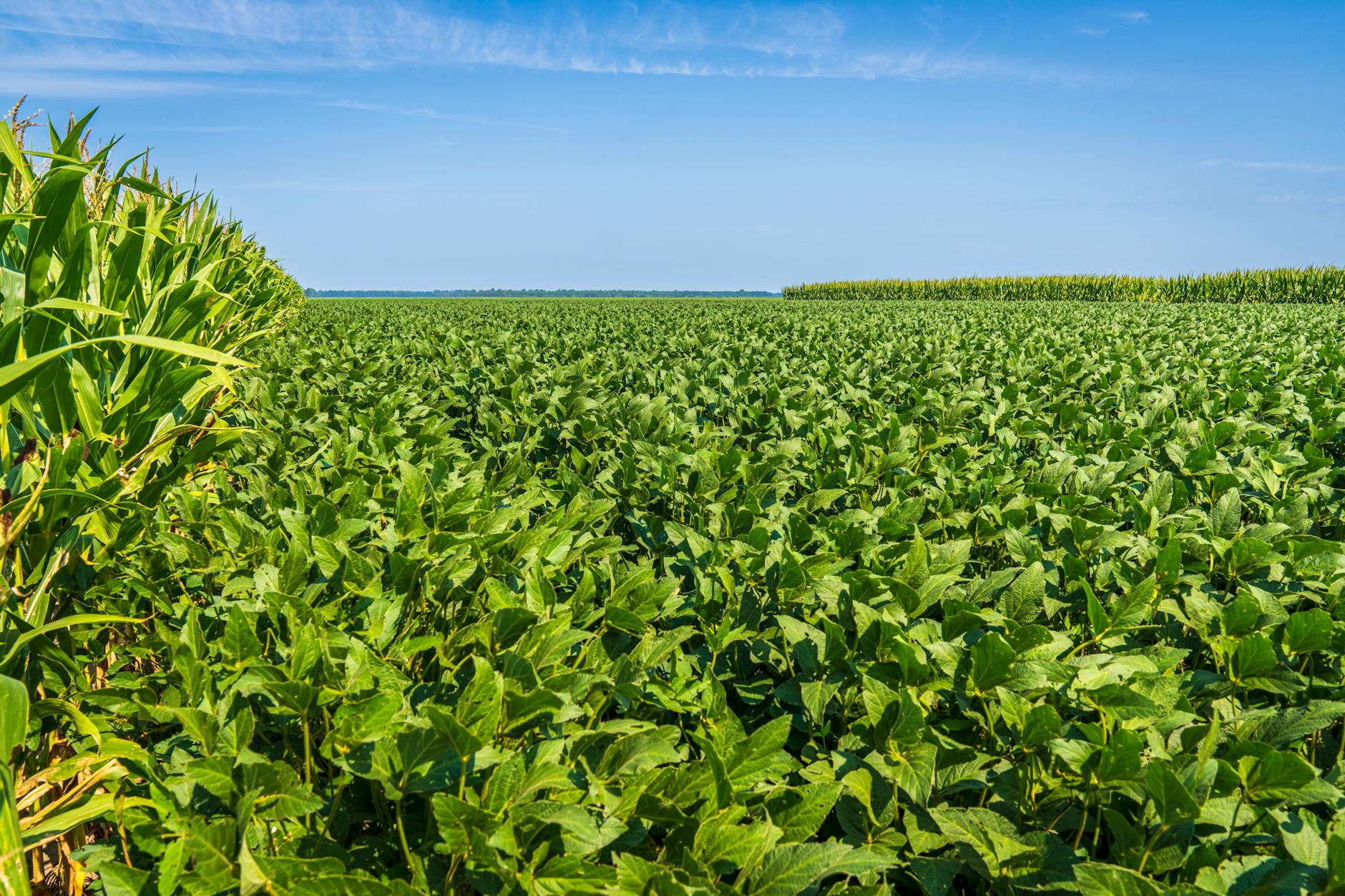
President Donald Trump dramatically expanded federal mandates for farm-grown biofuels in cars, trucks, and tractors during a White House event in late March. Speaking at a 'Celebration of Agriculture' gathering, Trump announced that his Environmental Protection Agency will require record amounts of soy-based biodiesel and corn-based ethanol to be blended into petroleum-based diesel and gasoline.
Trump described the event as the single largest gathering of farmers the White House has ever seen. The policy expansion, as reported by Canary Media, represents a significant increase in the federal requirements for renewable fuel standards.
While the administration frames the policy as a benefit to the agricultural sector, Michael Grunwald of Canary Media argues the subsidies are bad for consumers and the planet. The report notes that these mandates can lead to higher food prices and increased food insecurity by diverting crops from food supplies to fuel production.
According to the report, the shift may also drive deforestation and greenhouse gas emissions. The expansion could incentivize farmers to clear millions of acres of new land to capitalize on higher crop prices.
Further economic pressures may arise from increased demand for fertilizers, which the report notes are already in short supply due to the war in Iran. This could drive up global food costs and increase pollution in corn-producing regions.
Canary Media also highlights an efficiency gap between biofuels and renewable energy alternatives. The report states that an acre of solar panels can produce between 20 and 100 times more energy than an acre of corn.
During the White House event, Trump focused on the financial benefits for the agricultural sector rather than consumer relief. He explicitly stated he was providing special treatment to farmers through massive new loan guarantees and tax breaks.
'I’m actually giving you much better than a level playing field!' Trump proclaimed at the White House, according to Canary Media.
The report concludes that while the Trump administration's recent actions are aggressive, biofuel subsidies remain a bipartisan issue. Similar incentives for crop-based fuels are currently being implemented in nations including Brazil, Canada, India, and Indonesia.