A new study published in the journal Science reveals that groundwater depletion is reversible in specific regions. Researchers analyzed 67 documented cases where water tables rose after long periods of decline. The findings offer a roadmap for communities facing critical water shortages globally. This research challenges the prevailing narrative that water scarcity is an irreversible trend. Humanity’s enduring ability to ignore the math of declining water supplies is almost impressive, but recovery is possible.
Scott Jasechko from the University of California, Santa Barbara, led the research team. He compiled data from published studies to identify common strategies that successfully halted aquifer loss. The analysis covers diverse geographic locations ranging from China to Saudi Arabia. A public map allows users to explore all 67 cases individually. His goal was to find commonalities and see if we could learn any general lessons by zooming out to this bigger picture.
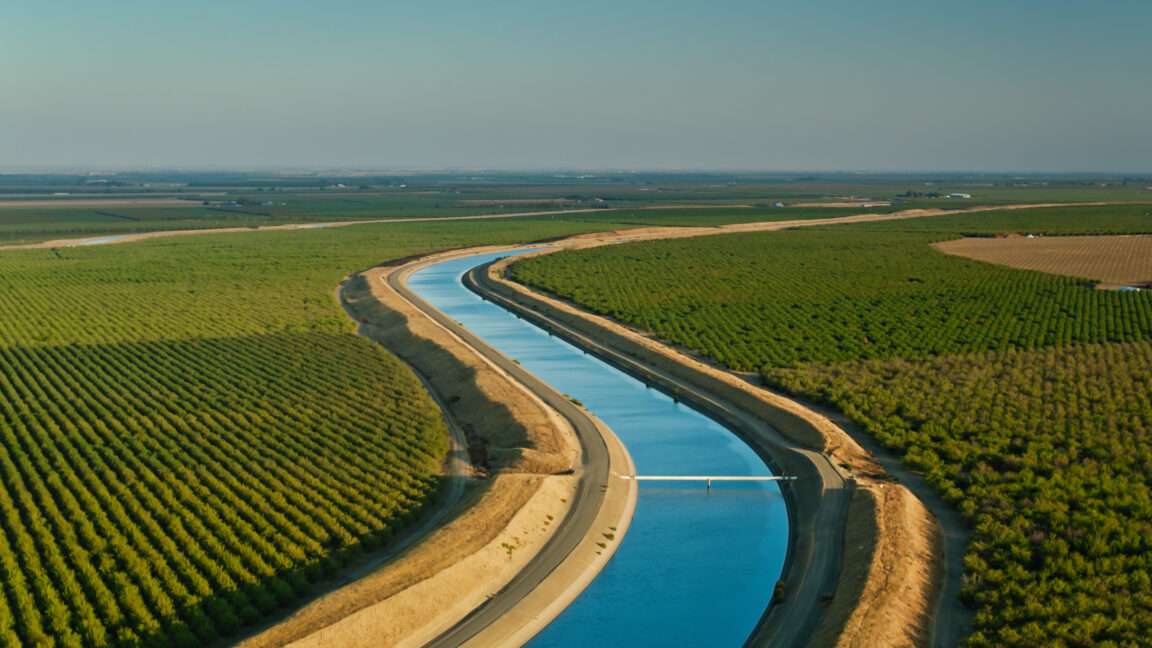
Alternative water sources played a role in 81% of the successful cases. This often required significant infrastructure investment, such as the South-to-North Water Diversion Project in China. Some regions simply connected to existing river systems, like Osaka, Japan. Other projects included the Doosti Dam on the border of Iran and Turkmenistan. In El Dorado, Arkansas, fees paid for a pipeline to bring water in from a nearby river, eventually cutting groundwater use in half.
Policy and market mechanisms drove reductions in pumping for about half of the examples. Governments implemented bans on new wells or established fees for groundwater extraction. El Dorado, Arkansas, used revenue from these fees to fund a pipeline from a nearby river. Saudi Arabia banned alfalfa growing, which led to controversy in Arizona. In Japan, wastewater pollution regulations changed away from concentration-based limits.
Artificial recharge strategies appeared in nearly half of the documented recoveries. This process involves spreading water over large surface areas or pumping it down into deep wells. In some instances, unintended leakage from irrigation canals contributed to the recovery. Engineers must account for sediment properties when planning these interventions. For deeper aquifers sealed off from the surface by impermeable layers, you have to pump water down a well.
Environmental and Economic Impacts
Restoring water levels provides immediate benefits for coastal infrastructure and land stability. It helps counteract saltwater intrusion and halts land subsidence in major cities like Houston. However, rising water tables can also cause flooding in tunnels or low-lying agricultural areas. Inland areas like Las Vegas or California’s Central Valley face significant infrastructure risks.
Future Challenges and Risks
Chemical changes in the soil present another complication as previously dry sediments become saturated. Pollutants and fertilizers may mobilize when the water table rises to meet them. Seismically active regions face increased liquefaction risk during earthquakes. Evaporation from waterlogged agricultural land has caused salts to accumulate in Turkey.
The study concludes that complex problems require multipronged solutions tailored to local conditions. Timeframes for recovery vary widely, with some cases taking decades to show results. Bangkok started instituting fees on groundwater use in the late 1970s, but over 20 years passed before the fees were raised high enough to have an impact.
Climate variability can obscure the results of your actions during stretches of wet or dry years. Another lesson is that the details matter, as rising water above a certain level will cause problems. Since every situation is unique, the best approach in each individual case will be a unique set of solutions.
So when we learn from history, we can find some parts we would actually like to repeat. The study reminds us that groundwater recovery has happened, so it is possible for communities to turn things around. This optimism is grounded in documented evidence rather than theoretical models.
"At a fundamental level, this study reminds us that groundwater recovery has happened, so it is possible for communities to turn things around," the report stated.