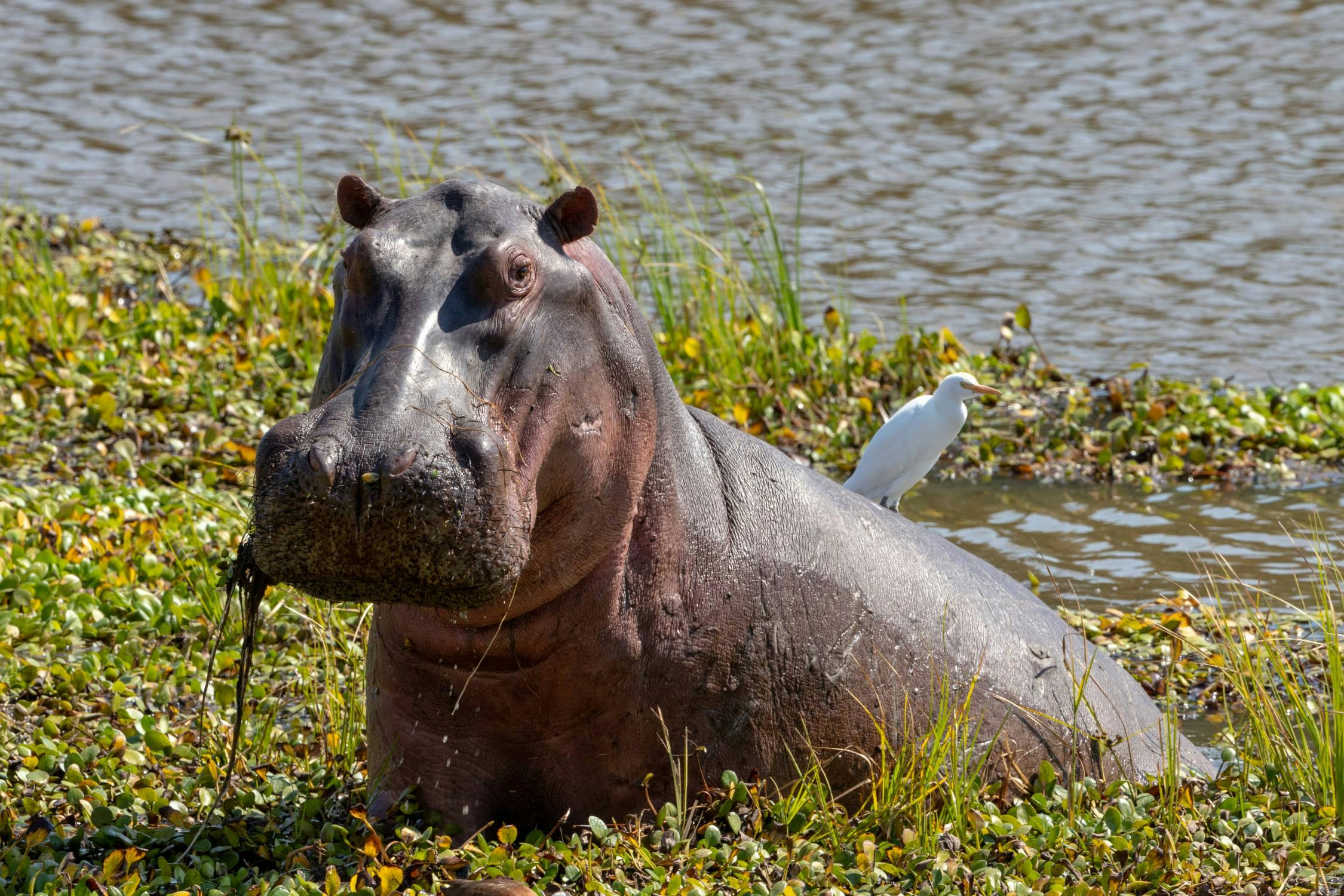
Colombia has approved a plan to cull dozens of hippos roaming the central region of the country, Environment Minister Irene Velez announced Monday.
The government intends to euthanize up to 80 of the invasive mammals. Velez stated the decision follows previous attempts to control the population that proved too expensive or ineffective.
“We have to take this action to preserve our ecosystems,” Velez said, though she did not specify a start date for the operation.
A legacy of the drug trade
Colombia is the only nation outside Africa hosting these semiaquatic mammals. The population originated in the 1980s when drug lord Pablo Escobar brought four hippos to his private zoo at Hacienda Napoles.
Following Escobar's death, the population expanded rapidly. A 2022 study estimated that roughly 170 hippos now roam freely, with sightings extending 60 miles from the former drug lord's ranch.
Researchers suggest the species breeds quickly due to Colombia's lush environment. Authorities previously attempted sterilization and relocation to zoos, but neither strategy slowed the growth.
Large hippos, weighing over four tonnes, pose physical threats to nearby villagers. They also compete for food with endemic species, such as manatees.
Despite the risks, the animals have become a major local tourist draw. Vendors at the former Napoles ranch now sell hippo-themed souvenirs and host spotting tours.
Animal welfare activists oppose the cull. They argue that killing the animals sets a poor precedent for a country that has endured decades of internal conflict.
Past attempts at management faced significant backlash. In 2009, the death of an aggressive male hippo by soldiers caused public outrage after photos of the event circulated.
Officials cannot relocate the animals to Africa. The limited gene pool, stemming from the original four animals, makes the population susceptible to carrying diseases that could threaten other habitats.