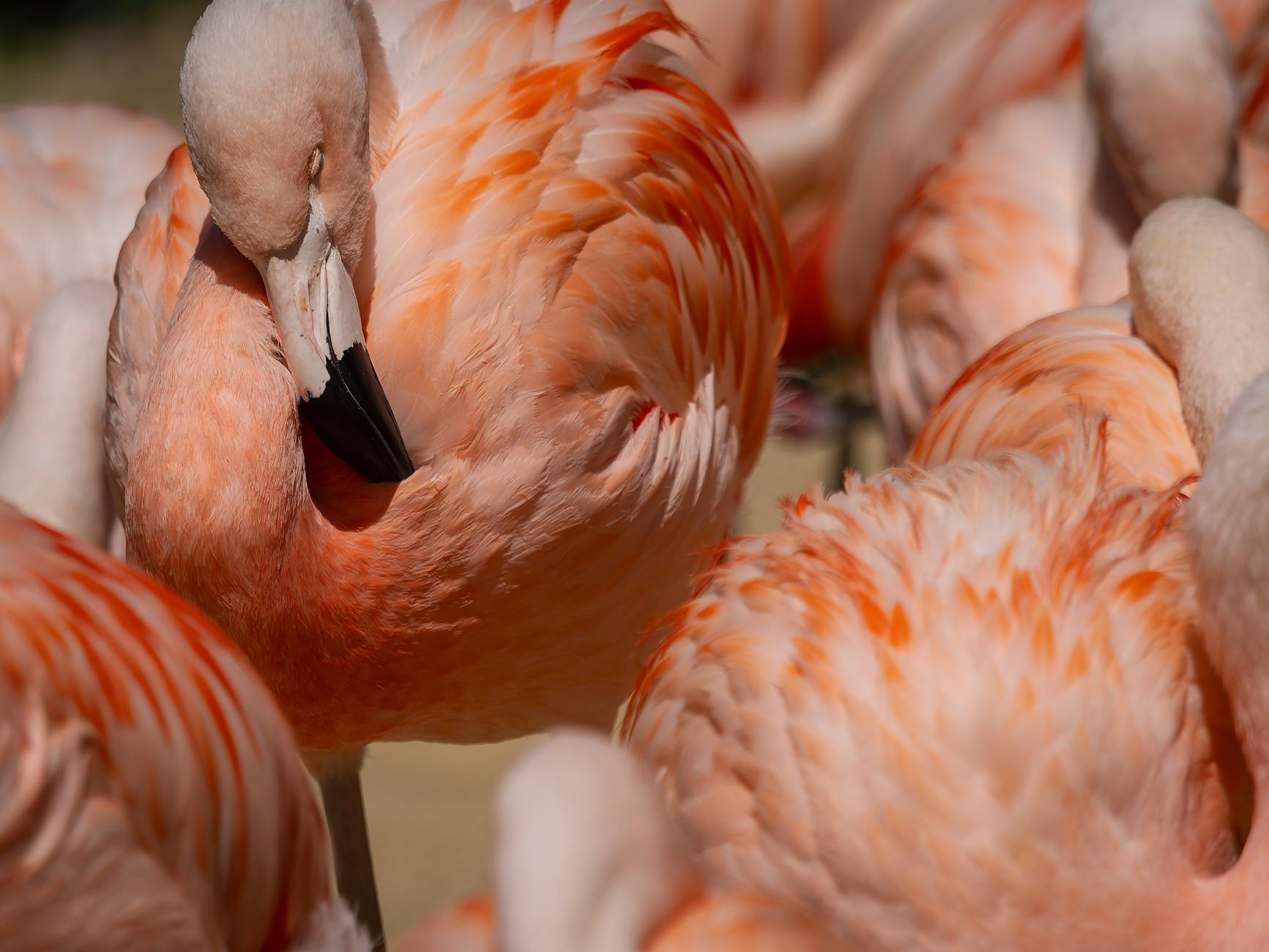
The Chilean flamingo population has resumed nesting activities at the Huambune lagoon within Lauca National Park. This milestone occurred in March 2026 after a 33 year period without recorded breeding in the specific site. Officials from the state forest corporation confirmed the presence of approximately 300 adult birds and 100 chicks. The event signals a potential recovery for the endangered species across the high Andean plateau.
Data collected by park rangers indicates a robust presence of Phoenicopterus chilensis in the Cotacotani lake system. The monitoring team tracked the flock to ensure the safety of the breeding grounds during the spring season. Conservationists view this as evidence that local water levels and food sources have stabilized sufficiently. Such stability is crucial for maintaining the biodiversity that defines the northern Chilean region.
The National Forestry Corporation stated that environmental conditions recently favored the return of the birds. They attributed the phenomenon to favorable weather patterns that restored the wetland ecosystem. This aligns with broader national goals to protect critical habitats in the Arica and Parinacota region. Government funding for these parks supports the monitoring teams required to track such significant biological shifts.
Historically, the last recorded nesting event in this sector took place over three decades ago. The gap in reproductive activity raised concerns among local biologists regarding the species sustainability. Current data suggests that previous drought conditions may have disrupted the breeding cycle for years. The return of the flock demonstrates the resilience of the ecosystem following periods of climatic instability.
Scientists noted an unusual nesting behavior during the recent observation period in the wetland. The birds utilized the soft soil of the bofedal rather than constructing traditional mud mounds. This deviation from standard habits opens new avenues for ecological research into adaptive strategies. Researchers plan to document these changes to understand if they correlate with shifting environmental variables.
The recovery holds implications for Chilean eco-tourism which relies heavily on the unique wildlife of the north. Lauca National Park attracts significant international visitors seeking to observe Andean wildlife in their natural habitat. A healthy population supports the local economy by validating the region as a premier destination for nature tourism. Investment in conservation directly correlates with the economic viability of rural communities in the area.
Regional authorities emphasize the importance of maintaining the Andean macrorregion as a protected ecological zone. Political support for environmental policies remains a priority for the current administration in Santiago. Continued protection ensures that the site remains viable for future generations of researchers and tourists alike. Funding allocations for the next fiscal year will likely reflect the success of these recent conservation efforts.
Monitoring teams will continue to observe the population to verify the stability of these new breeding patterns. Future reports will determine if the species has permanently re-established itself in the Huambune lagoon. The data collected will inform national strategies regarding endangered species management and habitat preservation. This case serves as a model for other protected areas facing similar environmental challenges across the country.