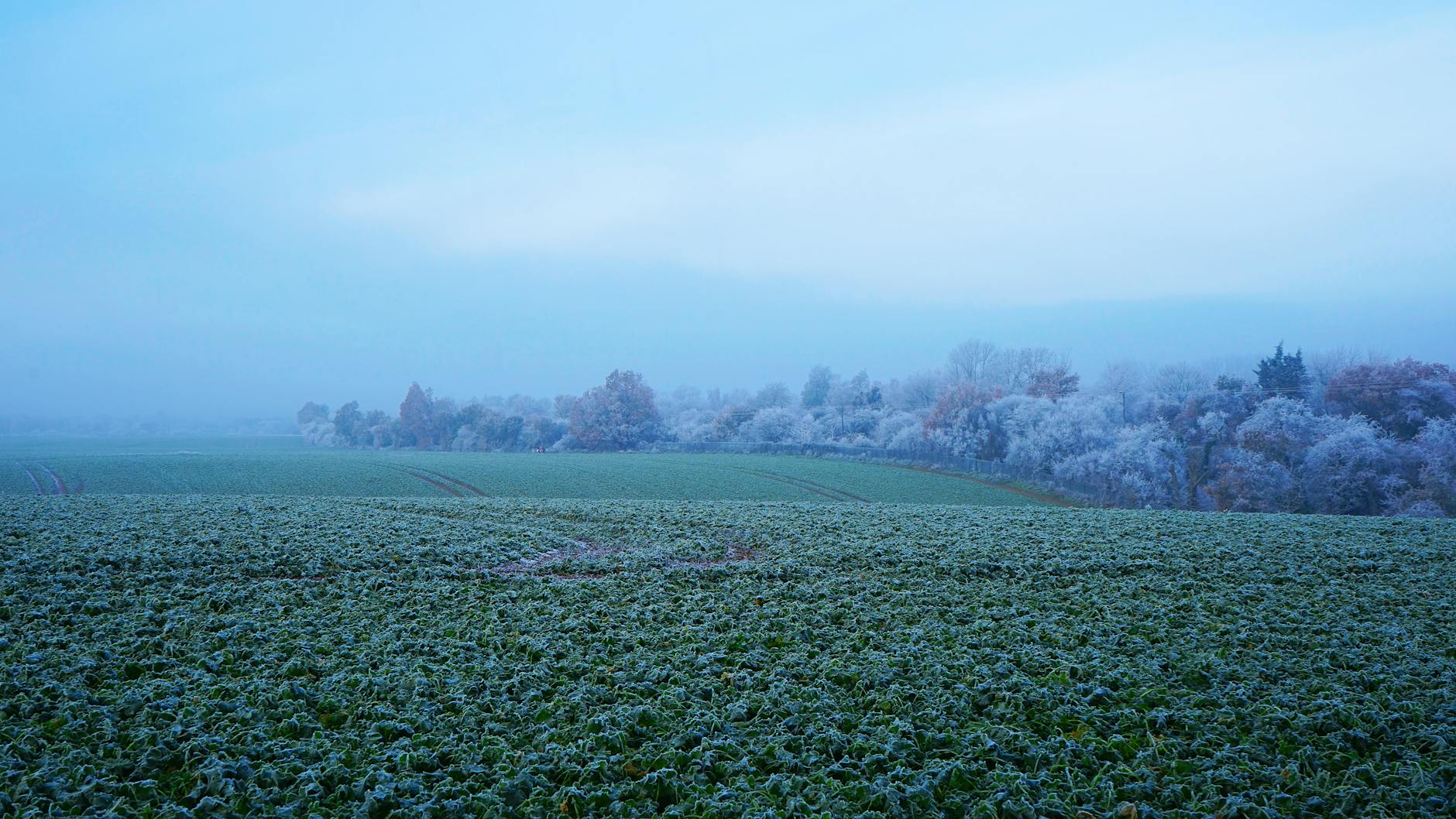
Central Chile faces its coldest morning of the year following the recent passage of frontal systems. The Dirección Meteorológica de Chile forecasts frost and temperatures remaining below 30 degrees Celsius through the end of the week, according to Biobiochile.cl. This atmospheric stabilization arrives Monday, March 23, across the Metropolitan Region and the Valparaíso area.
Santiago is expected to record a low of eight degrees Celsius while northern regions see even lower figures. The Bio Bio region anticipates minimum temperatures hovering between four and five degrees Celsius during the night. These readings mark a distinct shift toward autumn conditions across the populated central zone. Meteorologists indicate that the mercury will climb gradually but stay under the 30 degree threshold.
A strong Pacific subtropical high will block incoming weather systems for at least four days. This atmospheric condition ensures clear skies and a lack of precipitation from Valparaíso to the Bio Bio border. Cloud cover will remain minimal in cities like Talca and Rancagua throughout the upcoming period according to Meteored. The absence of rain contrasts sharply with the wet conditions observed earlier in the season.
Agricultural sectors must prepare for potential frost damage to sensitive crops during the coldest nights. Farmers in the interior valleys face risks that could impact yields for the current harvest cycle. The Dirección Meteorológica de Chile advises monitoring vineyards and orchards for protective measures. Economic losses from frost are a recurring concern for Chilean primary producers every winter.
Energy demand is likely to increase as households rely more heavily on heating systems. The national grid may experience higher consumption rates during the early morning hours on Wednesday. Utility companies are monitoring the situation to ensure stability for residential and commercial clients. This seasonal shift often tests the capacity of the national electricity distribution network.
Public health officials remind citizens to dress warmly to prevent hypothermia and respiratory issues. Vulnerable populations, including the elderly, require extra protection against the sudden temperature drop. Local governments in Santiago and Los Andes have issued health alerts regarding the weather conditions. Medical services are on standby to treat cold-related incidents in public spaces.
Coastal areas like San Antonio and Pichilemu will experience moderate temperatures due to maritime influence. Temperatures there will oscillate between nine and 12 degrees Celsius throughout the day. This maritime effect provides a buffer against the extreme cold seen in the interior valleys. Cities such as Chillán and Concepción may still face partial cloud cover despite the general trend.
The forecast reflects a typical autumn pattern for the central region of the country. Similar conditions occurred during previous years when anticyclones dominated the atmospheric pressure system. Officials note that this weather phase will likely stabilize until mid-week before changing again. Residents should expect clear skies and dry conditions for the remainder of the work week.