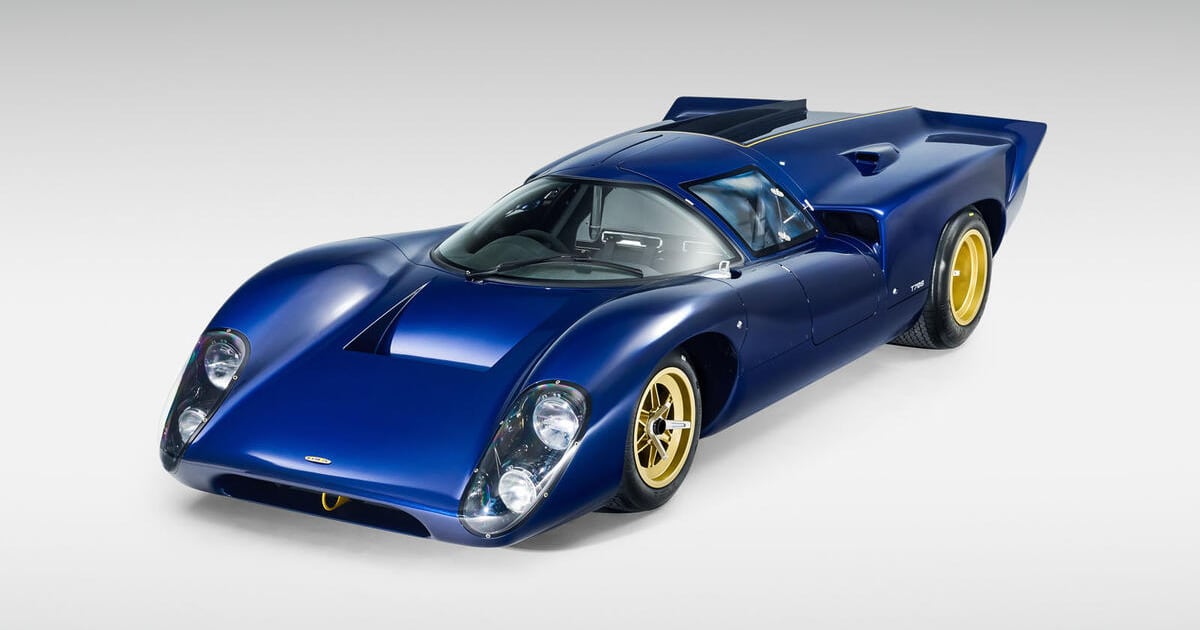
Lola Automobiles has announced a limited revival of its iconic T70 sports car, introducing sustainable versions tailored to modern environmental standards. The British marque unveiled the T70S and T70S GT models, which blend 1960s racing heritage with contemporary manufacturing processes. This strategic move addresses the growing demand for responsible luxury within the high-performance automotive sector.
Technical Specifications
The project leverages the original 1965 chassis design but updates powertrains and materials to meet current global regulations. Engine specifications include a five-liter V8 producing 530 hp for the T70S variant. A six-liter V8 Chevrolet engine powers the GT version with 500 hp output. The transmission remains a manual five-speed unit to preserve the authentic driving feel.
Sustainability Focus
A critical component of the project involves advanced composite materials and sustainable manufacturing processes throughout the assembly. This approach aims to reduce environmental impact without altering the core mechanical driving experience. > "We aim to preserve the essence of the cars," a spokesperson said according to the announcement. Lola seeks to demonstrate that historical preservation can align with ecological responsibility in a modern context.
Market Positioning
Both models respect the original proportions and lines, including the low silhouette and functional aerodynamics of the classic design. Structural improvements ensure safety standards compatible with modern usage requirements and crash testing protocols. Design elements remain faithful to the Can-Am and Daytona racing legacy that defined the brand. These vehicles occupy the exclusive niche of continuation cars with highly artisanal production values and limited availability.
Although official pricing figures remain unconfirmed, estimates suggest costs will match or exceed US$400,000 per unit. Production is strictly limited to 16 vehicles globally to maintain exclusivity and value retention. This strategy targets wealthy collectors seeking unique investment pieces rather than mass-market buyers. The limited run ensures that each unit retains its individual significance within the collector community.
Industry Outlook
This release follows a trend where classic marques adapt to sustainability mandates without sacrificing heritage or performance metrics. It reflects a broader economic shift toward high-value, low-volume manufacturing strategies in the automotive industry. Other manufacturers are observing similar strategies to maintain brand relevance among wealthy collectors. The shift indicates a maturing market for retro-modern vehicles that prioritize provenance.
The project establishes a precedent for reviving icons through green engineering rather than simple mechanical reproduction or restoration. Industry analysts will monitor sales figures to gauge consumer appetite for expensive sustainable classics in the current market. Production timelines will determine the long-term viability of this specialized business model. Future developments in this sector will likely depend on the financial success of these initial limited releases.