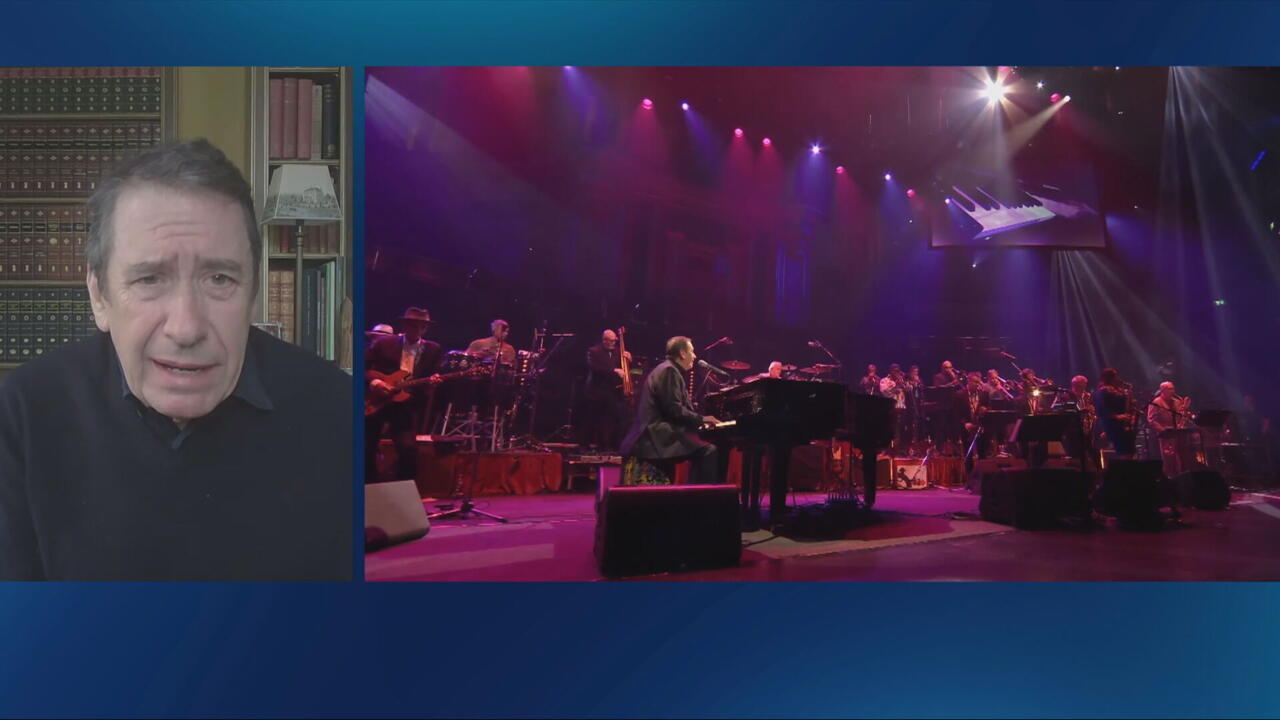
Jools Holland recently performed at Salle Pleyel in Paris, France, on April 23 as part of his extensive European tour schedule.
The musician, known for his long career, spoke with Eve Jackson about his journey from London pubs to global stages.
This interview highlights his enduring influence on the music industry and cultural exchange between nations.
His musical legacy includes playing with The Beatles in 1968 before forming his Rhythm & Blues Orchestra.
At age 66, he released a number one album with Rod Stewart, demonstrating sustained commercial relevance in the entertainment sector.
This longevity is rare for artists who often retire early due to significant physical demands of touring.
Holland is also the host of Britain's longest-running live music show, Later with Jools Holland.
The program has featured high-profile guests including Taylor Swift and Paul McCartney over its decades-long television run.
Such appearances underscore the importance of broadcast media in supporting live performance revenue models globally.
During his tour, he shared memorable encounters with French political figures such as Jacques Chirac and Carla Bruni.
These interactions illustrate how cultural diplomacy often precedes formal state engagements in modern international politics.
His ability to connect across borders reinforces the soft power of arts organizations operating worldwide.
In an era dominated by digital streaming, Holland emphasizes the irreplaceable value of live music experiences for fans.
He noted that audiences still seek the physical connection provided by orchestras and bands on stage regularly.
This sentiment aligns with growing trends where consumers prioritize concert attendance over passive consumption at home.
The pianist reflects on a career dedicated to maintaining high standards for live performance quality consistently.
He stated that every show must feel fresh despite decades of touring in similar venues around the world.
Consistency in artistic output remains a key differentiator for successful artists managing long careers today successfully.
Economic data suggests that major tours drive significant revenue for local economies during stopovers like Paris specifically.
The Salle Pleyel venue attracts international visitors who contribute to hospitality and tourism sectors locally significantly.
These events serve as catalysts for cultural tourism strategies implemented by European governments recently.
Comparing his start in teenage pub gigs to current stadium tours highlights the evolution of the industry scale.
While technology has changed production methods, the core requirement for human connection remains constant across generations.
Future developments will likely see more integration of virtual elements alongside traditional live performances moving forward.