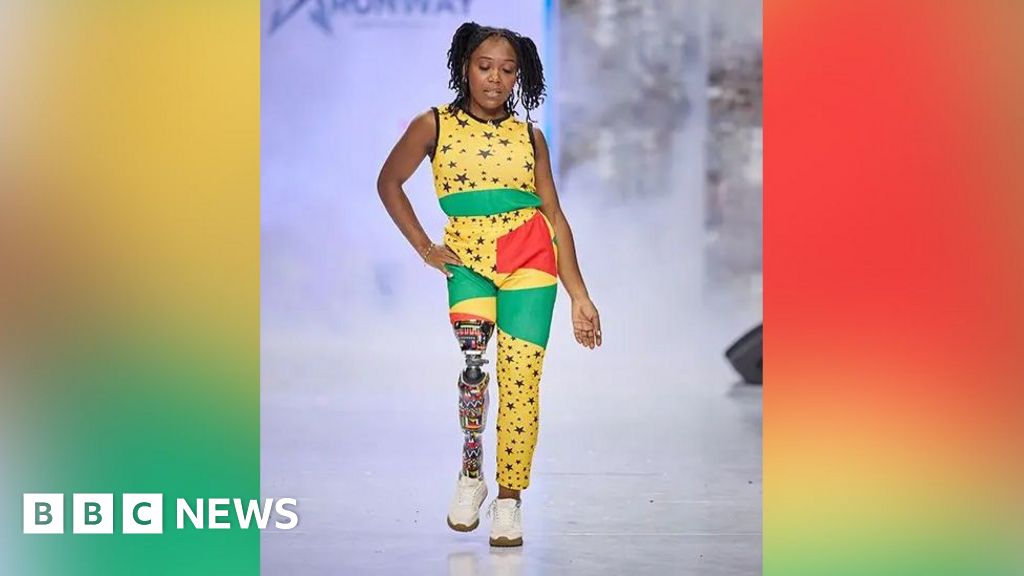
From Chicago to Accra: Model Redefines Disability Representation in Ghana
Abena Christine Jon'el's kente-wrapped prosthetic leg on Ghana's fashion runway signals a cultural shift toward inclusive representation in West Africa.
From Chicago to Accra: Model Redefines Disability Representation in Ghana
Advertisement
In a moment that captured global attention, Ghanaian-American model Abena Christine Jon'el strode down the runway at Accra's prestigious Rhythms on the Runway fashion show, her prosthetic leg wrapped in vibrant kente cloth. The 33-year-old's appearance represents more than fashion—it signals a broader economic and social transformation in Ghana's approach to disability inclusion.Jon'el's journey began with adversity. Diagnosed with rhabdomyosarcoma, a rare soft-tissue cancer, at age two, she faced amputation of her right leg. Rather than limiting her ambitions, the experience shaped a resilient advocate who would later bridge cultural and economic divides between the United States and Ghana.Her migration to Ghana in 2021 reflects broader diaspora investment trends across West Africa. Following a transformative visit to the Assin Manso slave river site, Jon'el made a permanent move that exemplifies the growing 'reverse migration' phenomenon driving economic and cultural exchange between African diaspora communities and the continent.'I am Ghanaian by ancestry and adoption,' Jon'el states, echoing sentiments shared by increasing numbers of diaspora professionals contributing to Ghana's economic development. Her integration into Ghanaian society demonstrates the country's capacity to attract and retain international talent.The fashion industry's embrace of Jon'el's advocacy signals potential market shifts toward inclusive representation. Tourism, Culture and Arts Minister Abla Dzifa Gomashie's public endorsement suggests government recognition of disability inclusion as both a social imperative and economic opportunity.Jon'el's work addresses a significant market gap in Ghana's disability representation. With limited visibility for disabled individuals in positive contexts, her advocacy creates new economic opportunities while challenging social perceptions. 'Disability is not a limitation,' she argues. 'Lack of support, lack of accessibility, that is what disables you.'Her approach contrasts sharply with traditional charity models, instead positioning disabled individuals as economic contributors and cultural innovators. This shift aligns with global trends toward inclusive design and accessibility markets, sectors experiencing significant growth worldwide.The response to Jon'el's runway appearance—praised by industry leaders and government officials—suggests Ghana's readiness for broader inclusion initiatives. Fashion show organizer Shirley Emma Tibilla described the moment as 'true inclusion,' indicating industry recognition of untapped market potential.Jon'el's advocacy extends beyond symbolic representation to practical economic implications. By mentoring young amputees and promoting accessibility, she contributes to human capital development while challenging systemic barriers that limit economic participation.Her story reflects broader themes shaping contemporary Africa: diaspora engagement, cultural reclamation, and inclusive economic development. As Ghana continues attracting international investment and talent, Jon'el's journey illustrates how individual transformation can drive systemic change.The intersection of identity, disability, and economic opportunity that Jon'el represents positions Ghana at the forefront of inclusive development models. Her work demonstrates how cultural authenticity and social progress can align with economic advancement, offering lessons for emerging markets worldwide.Source: BBC