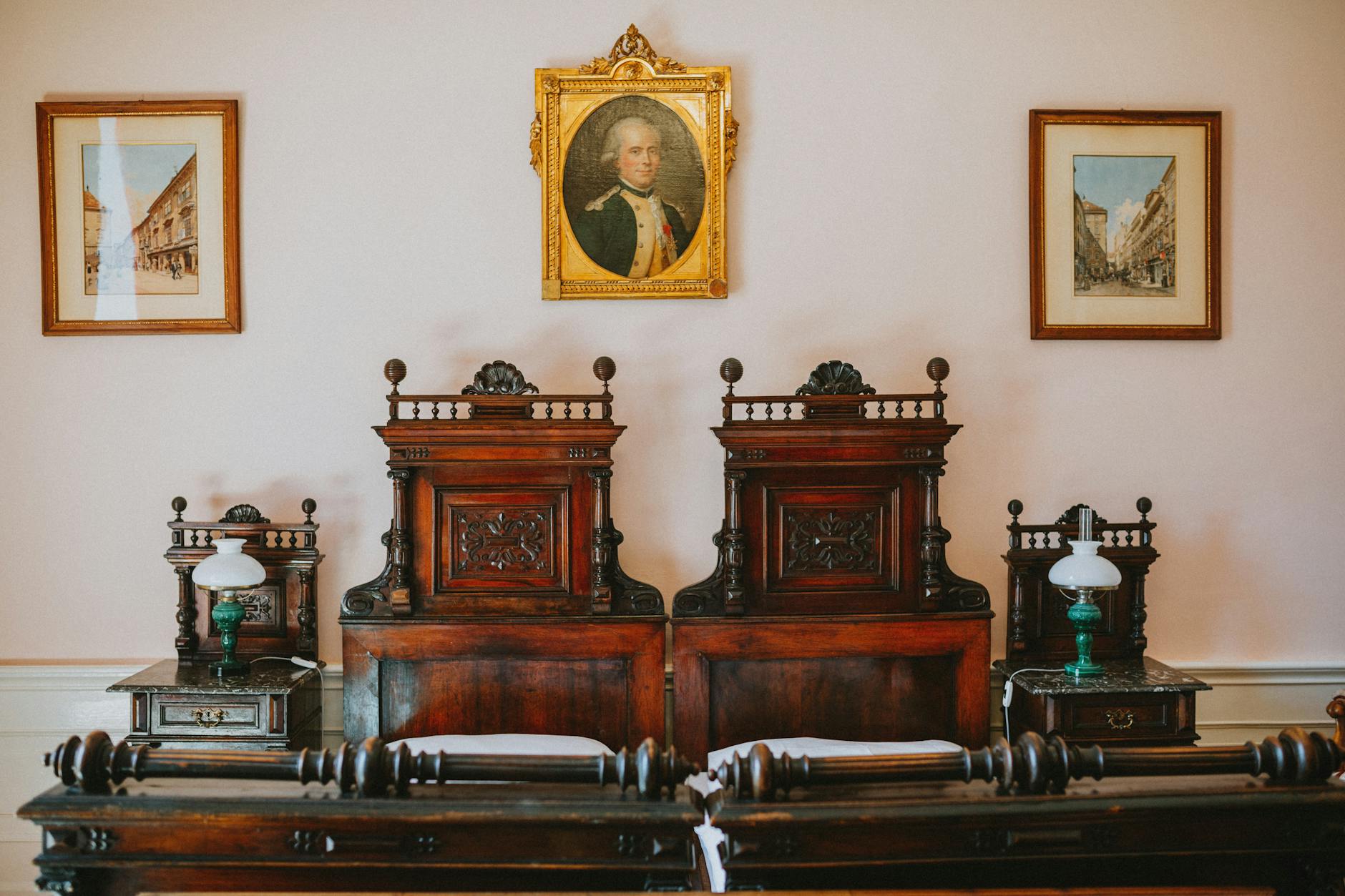
Between the Middle Ages and the early 20th century, sleeping inside a wooden cabinet was considered a standard domestic practice across Europe. These structures, commonly known as "box beds," functioned as enclosed, elevated sleeping quarters that provided warmth and privacy to families living in cramped or drafty homes.
Historical records from Xataka indicate that these beds were not merely a stylistic preference but a necessity for survival. As Europe endured the "Little Ice Age"—a period during which the Thames River froze at least 20 times—the enclosed design allowed occupants to retain body heat more effectively. By sealing themselves inside a wooden frame, families could create a micro-climate that buffered against the harsh exterior temperatures.
A design for survival and space
The utility of the box bed extended beyond thermal regulation. For families living in small, single-room dwellings or converted barns, these structures provided a dedicated, private space that could be shuttered with doors or curtains. Wealthier households often opted for elaborate, multi-tiered designs, while peasant families utilized simpler models that sometimes incorporated storage drawers for clothing.
The historical footprint of these beds is well-documented in European art and literature. Painters like Pieter de Hooch and Jacob Vrel frequently depicted them in their interiors, and authors such as Emily Brontë included them in their narratives. Today, one such piece remains on display at the Rembrandt House Museum in Amsterdam, having once belonged to the artist and his wife, Saskia.
While the concept of sleeping in a wardrobe may seem claustrophobic to modern sensibilities, the underlying principles of the box bed have persisted into the 21st century. The architectural trend of optimizing small living spaces has led to a resurgence of similar designs. Modern iterations, such as Japanese-style capsule hotels and smart-bed technology, mirror the original intent of the box bed: creating a compact, efficient, and enclosed environment for rest.