Geopolitics in the Middle East
Tracking developments in the complex geopolitical situation involving Israel, Syria, and surrounding regions.
The latest.
Violence escalated in the West Bank and Gaza on Sunday, March 22, 2026, with settler attacks injuring ten Palestinians and military strikes killing four others. The incidents highlight a fragile security environment despite an October ceasefire agreement intended to halt the conflict.
Updates
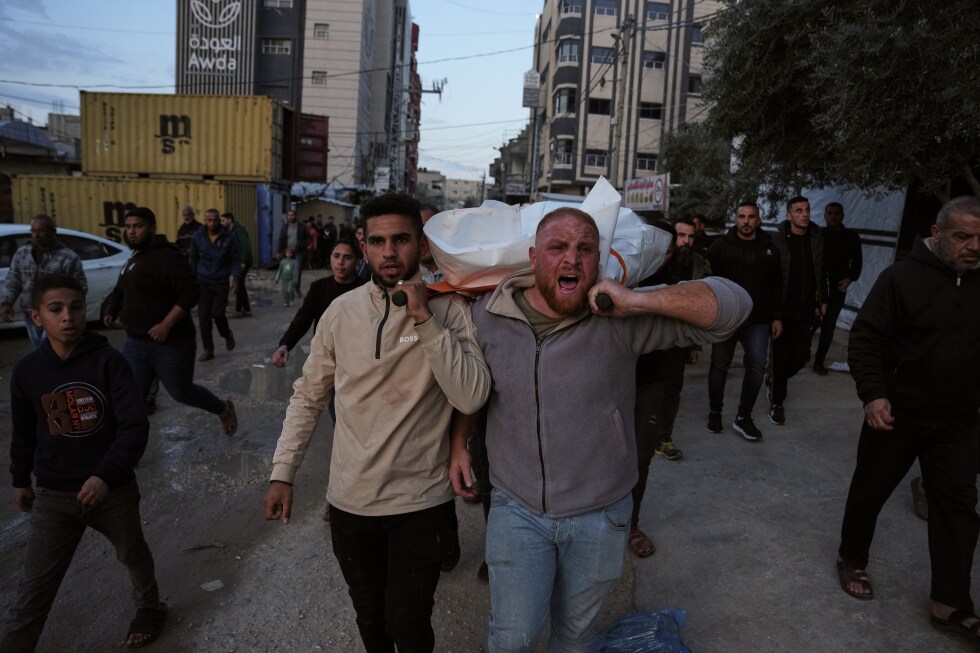
50 updatesIsraeli Settlers Attack West Bank as Gaza Strikes Kill Four
Violence escalated in the West Bank and Gaza on Sunday, March 22, 2026, with settler attacks injuring ten Palestinians and military strikes killing four others. The incidents highlight a fragile security environment despite an October ceasefire agreement intended to halt the conflict.
Trump Threatens Iran Power Plants Amid Strait of Hormuz Tensions
US President Donald Trump warned overnight to strike Iran’s power plants if the Strait of Hormuz does not reopen. Experts warn this threat could violate Geneva Conventions and disrupt global oil supply chains. The 48-hour ultimatum raises fears of significant regional escalation.
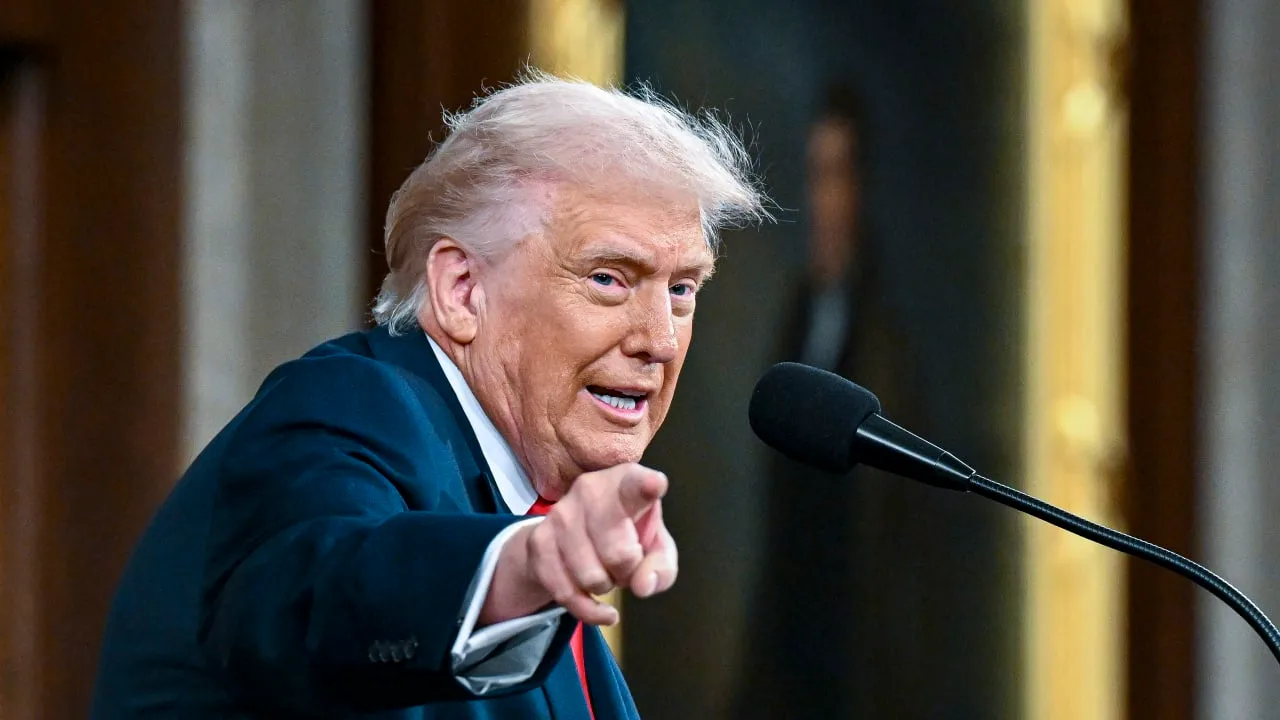
Trump Threatens to Obliterate Iranian Power Plants Over Strait of Hormuz Blockade
President Donald Trump issued a stark ultimatum to Iran on Saturday, threatening infrastructure destruction if the Strait of Hormuz reopens within 48 hours. The move escalates Middle East tensions as oil prices surge and global shipping faces severe disruption. Analysts warn this stance could trigger significant volatility in energy markets worldwide.
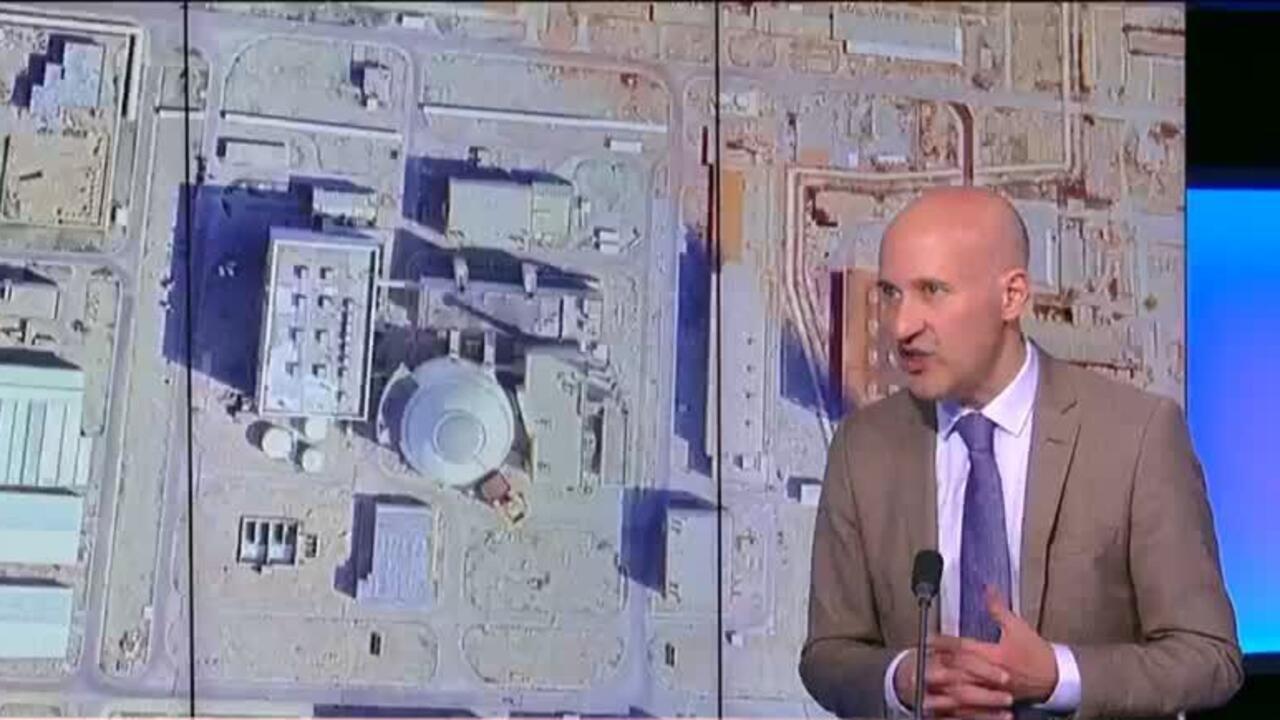
Iran Launched Missile Strikes on Israeli Nuclear Hub, Wounding Over 100
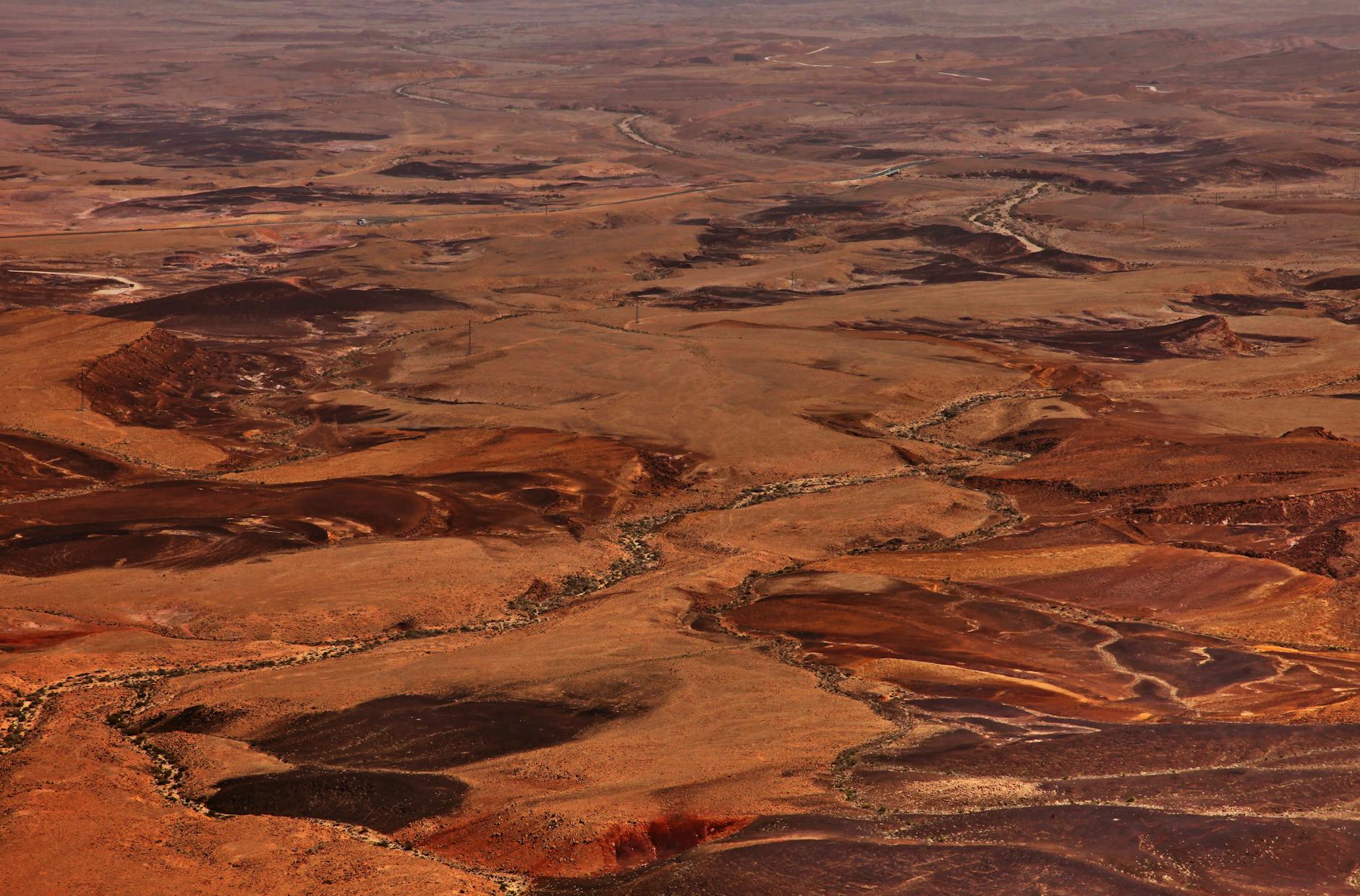
Iranian missiles struck southern Israel on Saturday, wounding over 100 people near a nuclear site in the Negev region. The attacks mark a significant escalation in the fourth week of the conflict between the two regional powers in the Middle East.
Iran Strikes Dimona Nuclear Site as Oil Prices Surge Amid Regional War
Iran has claimed responsibility for a missile strike on Israel’s Dimona nuclear facility, escalating regional tensions and spiking global oil prices. The attack marks a significant escalation in the ongoing conflict that has already lasted four weeks. Analysts warn that Mexican markets face direct exposure through energy costs and trade dynamics.
US Anti-terror Czar Resigns Over Iran Bombings, Citing Israel Lobby Pressure
Matthew Kent resigned from his role as anti-terror czar after criticizing the Trump administration's decision to bomb Iranian nuclear facilities. The letter highlights a deepening rift within the MAGA movement and warns of global economic instability. Mexico monitors the conflict for impacts on oil prices and migration policy.

US and Israel Strike Iran Natanz Nuclear Facility Amid Ongoing Conflict
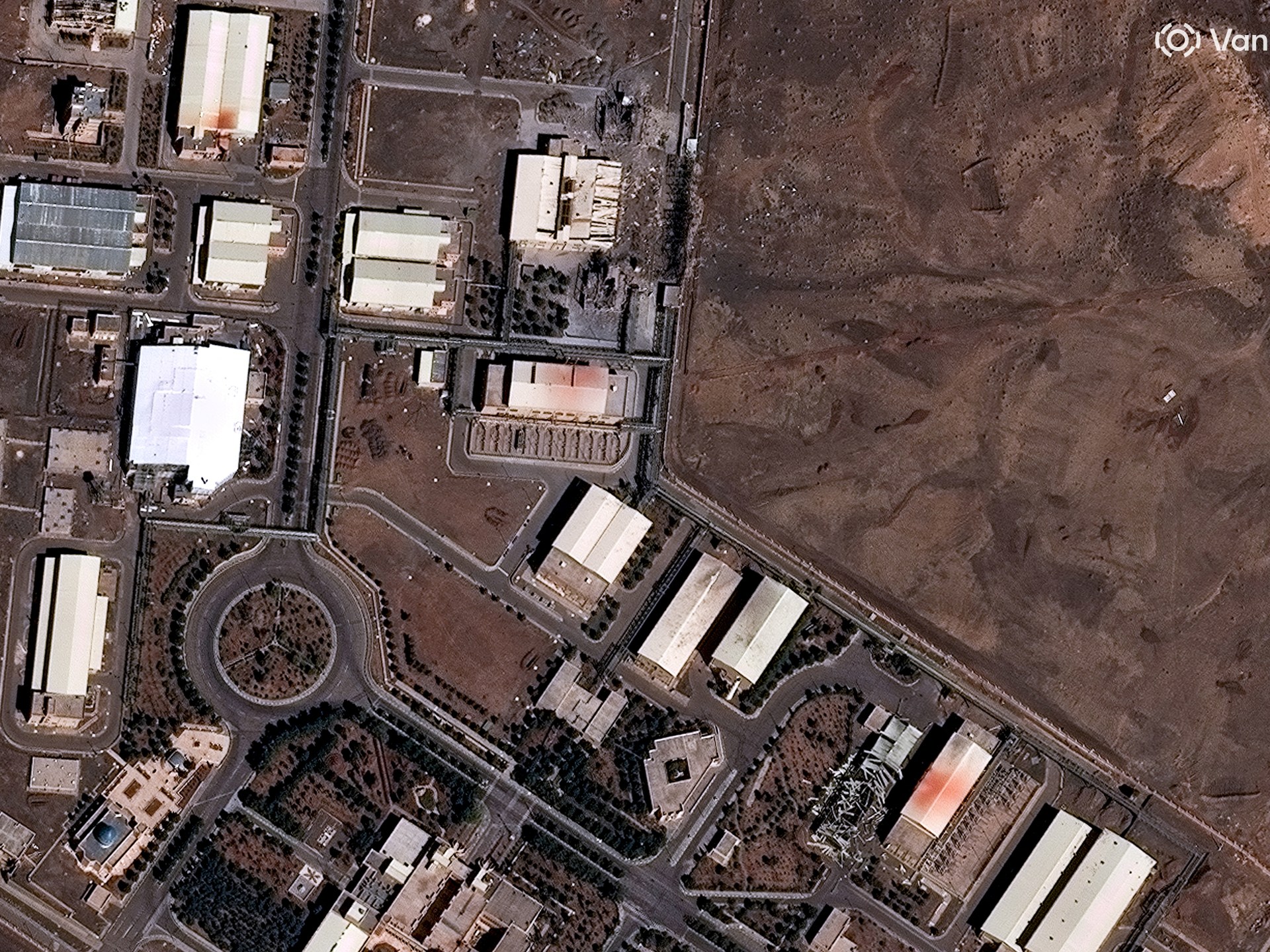
The United States and Israel have struck Iran's Natanz nuclear facility according to its atomic energy organisation. Iranian officials confirmed the attack targeted the Shahid Ahmadi Roshan enrichment complex in central Iran. No radioactive leakage was reported, but the strike marks a significant escalation in the regional conflict.
US and Israel Enter Fourth Week of Strikes on Iran as Casualties Mount
The conflict between the United States and Israel against Iran has entered its fourth week with over 1,400 deaths reported. Retaliatory attacks threaten global shipping lanes and energy infrastructure during major religious holidays. Washington considers winding down the campaign while ruling out a formal ceasefire.
Iran Blames US, Israel for Hormuz Tensions as Crisis Risks Energy Supplies
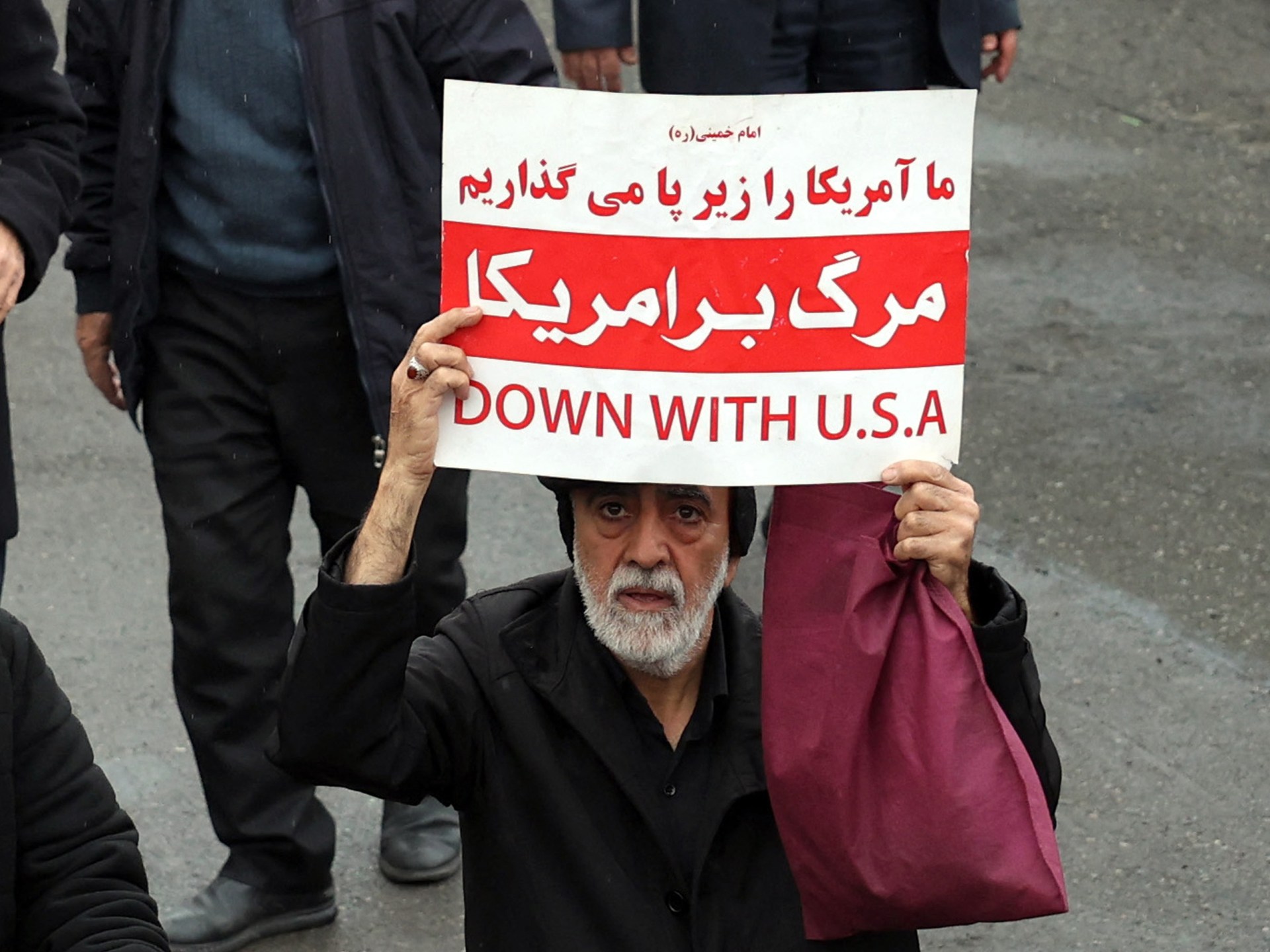
Iran’s Foreign Minister Abbas Araghchi has blamed the United States and Israel for disruptions in the Strait of Hormuz, raising fears for global energy supplies. Oil prices surged 40% since the conflict began as nations seek diplomatic solutions to ensure safe passage for commercial vessels. Diplomatic channels remain strained while military options face limited international support.
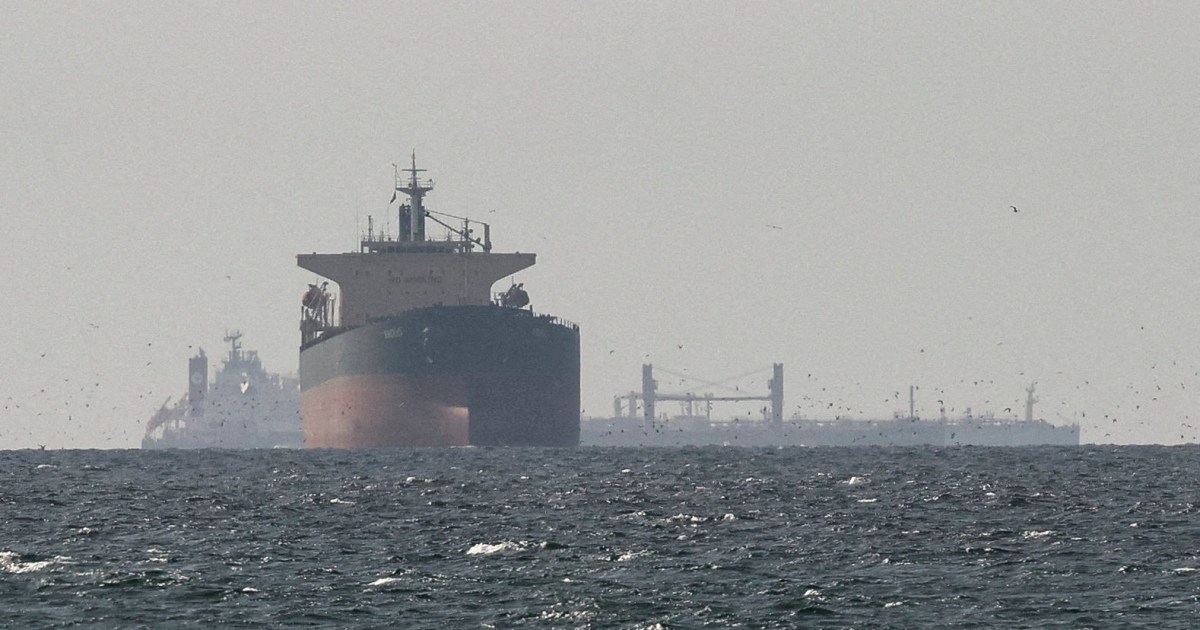
US Officials Seek to Avert Strait of Hormuz Closure Amidst Iran Conflict
US officials are urgently working to prevent a prolonged shutdown of the Strait of Hormuz due to ongoing conflict with Iran. Internal assessments suggest reopening the waterway remains a complex problem without an obvious solution or clear timeline. The situation has significant implications for global oil markets as prices rise amid the uncertainty.
US Considers Lifting Iranian Oil Sanctions Amid War Fears in Middle East
The United States is reportedly exploring the removal of sanctions on Iranian oil exports stranded at sea. Analysts suggest this move could mark a turning point in regional conflicts and impact global energy prices. Markets are monitoring the situation closely as geopolitical tensions remain high.
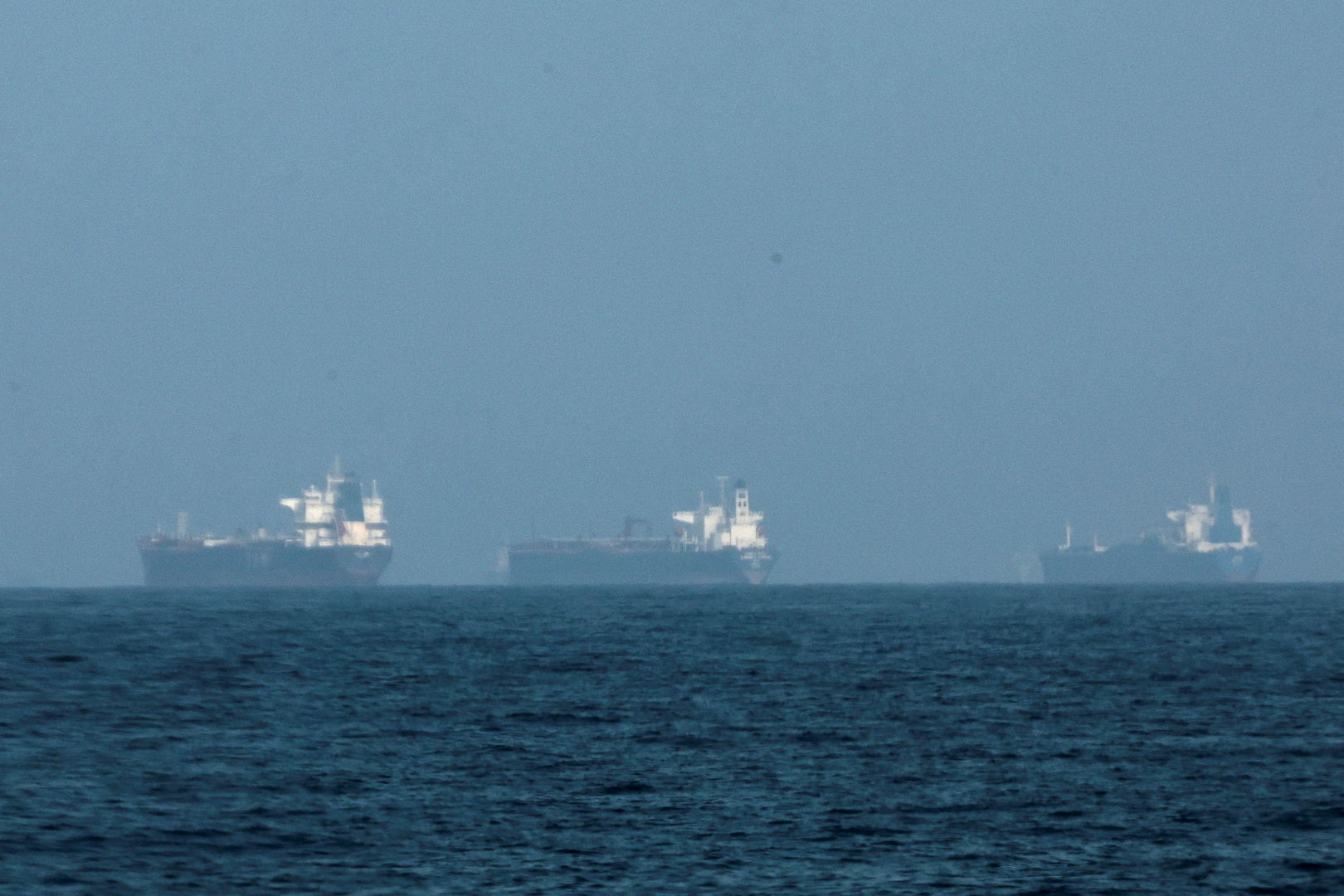
Iran Rial Crashes to 1.56 Million per Dollar Amid War | La Era
The Iranian rial has plummeted to approximately 1.56 million units against the US dollar as war disrupts Tehran's Grand Bazaar. Inflation exceeds 45% while economic strain forces merchants to close shops across the capital. Structural issues and sanctions compound the crisis affecting daily life.
Iran's Revolutionary Guard Spokesperson Naini Killed in US-Israeli Strike
The Islamic Revolutionary Guard Corps confirmed the death of Ali Mohammad Naini following a strike attributed to US-Israeli assets. This incident marks a significant escalation in regional tensions, occurring shortly after Naini disputed claims about Iran's missile capabilities.
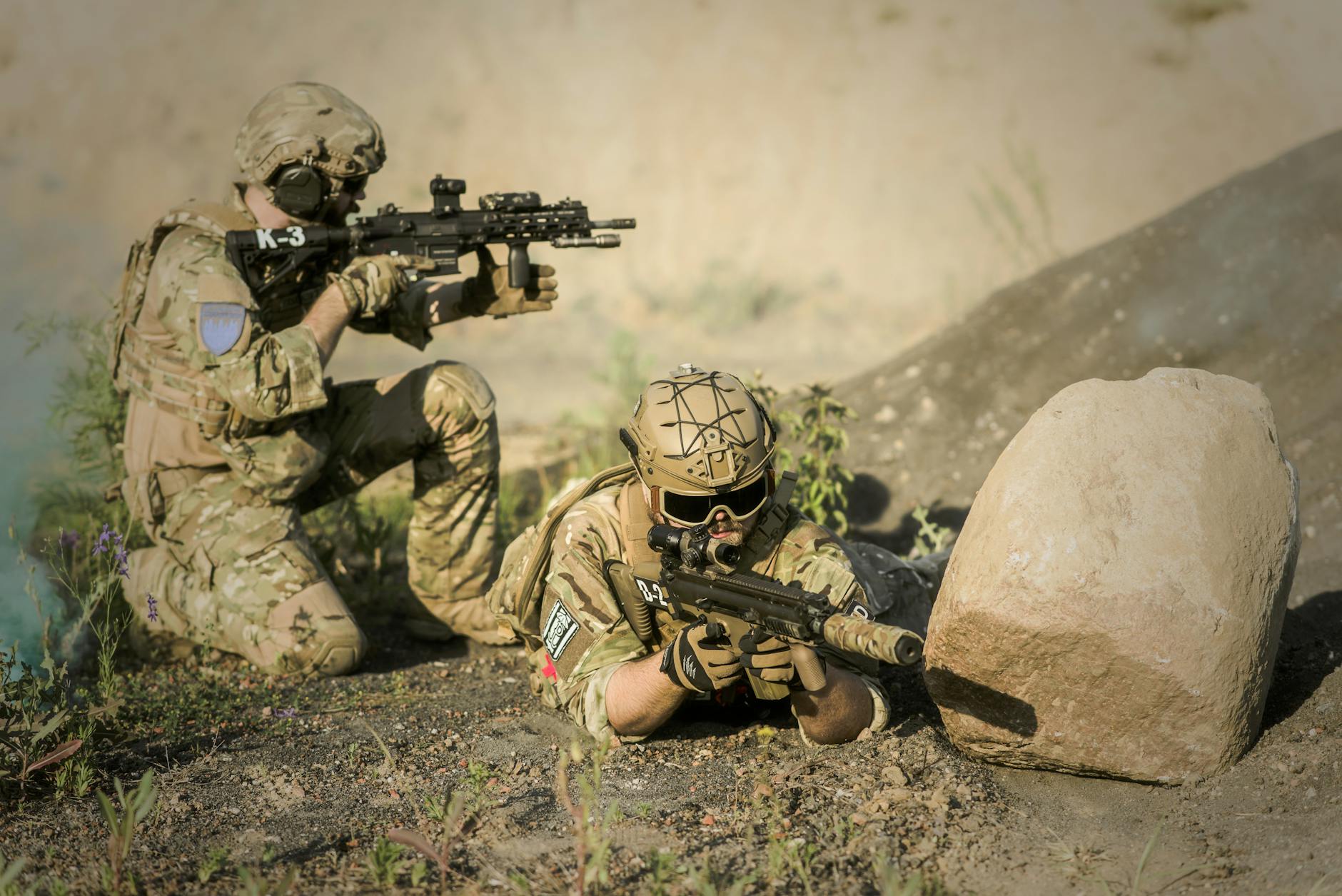
Danish Island Samsø Demonstrates Energy Independence Amid Global Oil Crisis
The Danish island of Samsø demonstrates energy independence through wind farms, countering global oil volatility driven by Middle East tensions. As Iran threatens the Strait of Hormuz, the island offers a model for decentralized renewable energy security. Experts cite this as a vital alternative to fossil fuel dependence during the 2026 energy crisis.
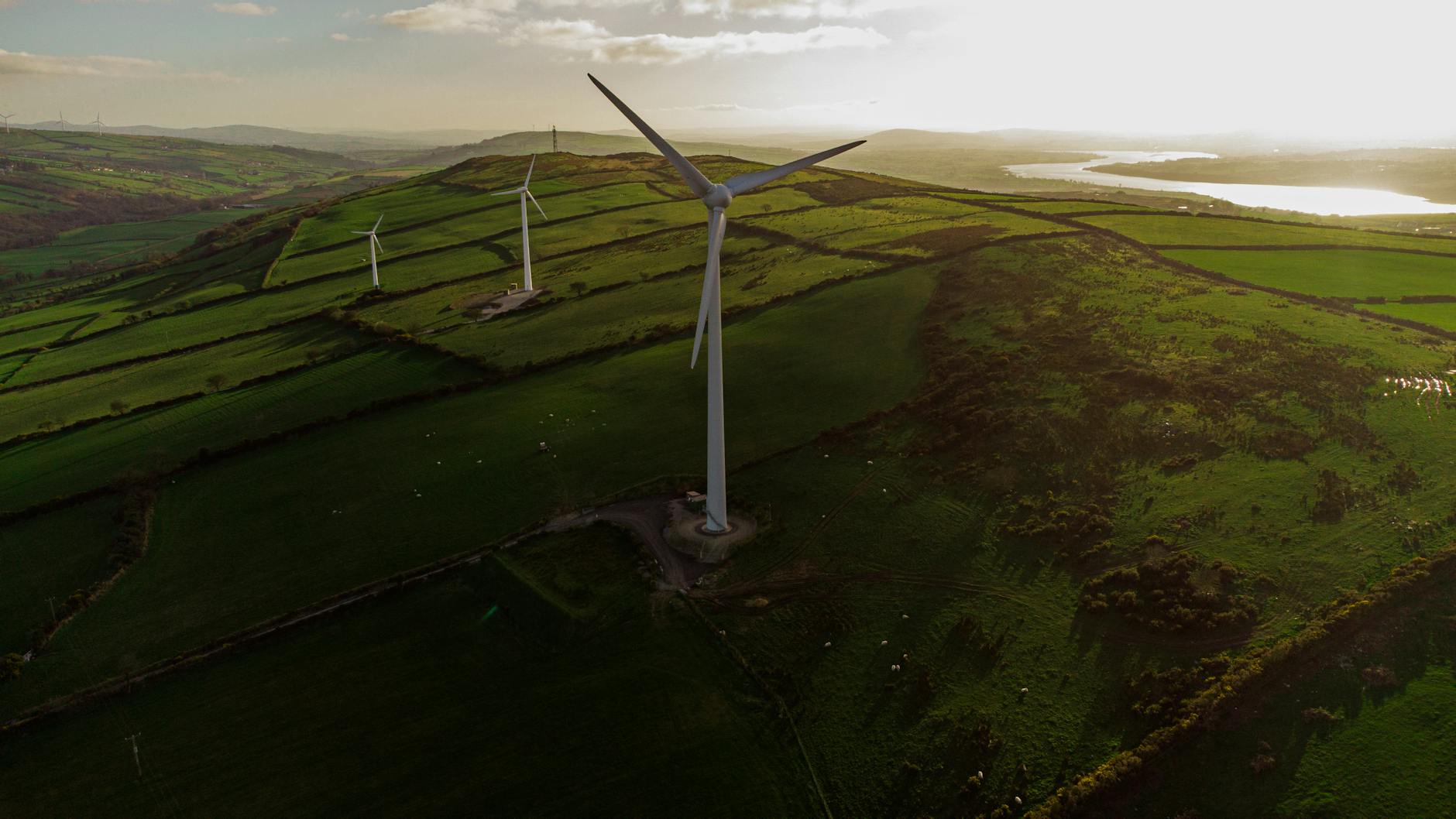
EU Considers Energy Tax Cuts to Counter Middle East War Impact
European Union leaders convened in Brussels to address soaring energy costs driven by conflict in the Middle East. Proposed measures include lifting caps on state aid and reducing electricity taxes to protect industrial sectors.
European Airlines Predict Stable Fuel Supply Amid Iran Conflict
Major European carriers do not anticipate significant fuel shortages if the Iran conflict lasts one to two months. Executives stated this during a conference in Brussels regarding the geopolitical tension affecting the Persian Gulf. LATAM Airlines shares dropped 7.5% as investors monitor risks closely.

US Gas Prices Spike to $3.84 Amid Middle East Tensions
American gasoline costs have surged to a two-year high as geopolitical risks in the Middle East threaten global supply chains. National averages hit $3.84 per gallon, marking the steepest rise in fuel costs since Hurricane Katrina disrupted Gulf Coast infrastructure. Markets predict prices could reach $4.30 by month end.
Oil Prices Drop, US Stocks Rise as Hormuz Shipping Improves
US equities advanced as crude oil prices retreated sharply following reports of improved shipping security through the Strait of Hormuz. Traders reacted to a Pakistani tanker transit with active tracking signals while major indices gained over one percent.
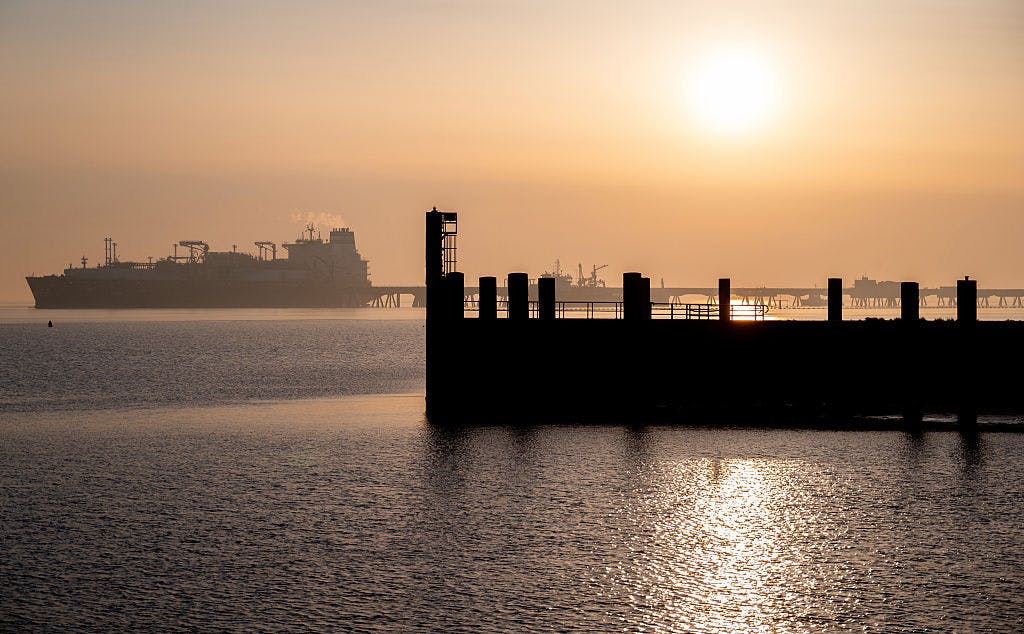
Iran Warns Against Intervention as US Targets Oil Exports
Iran has warned that foreign intervention will escalate the ongoing war as US President Trump threatens further oil strikes. The conflict impacts global markets, with Mexican officials monitoring energy price surges closely. Tehran demands permanent guarantees before negotiations continue amidst rising tensions. Washington plans to secure the Strait of Hormuz despite diplomatic resistance.
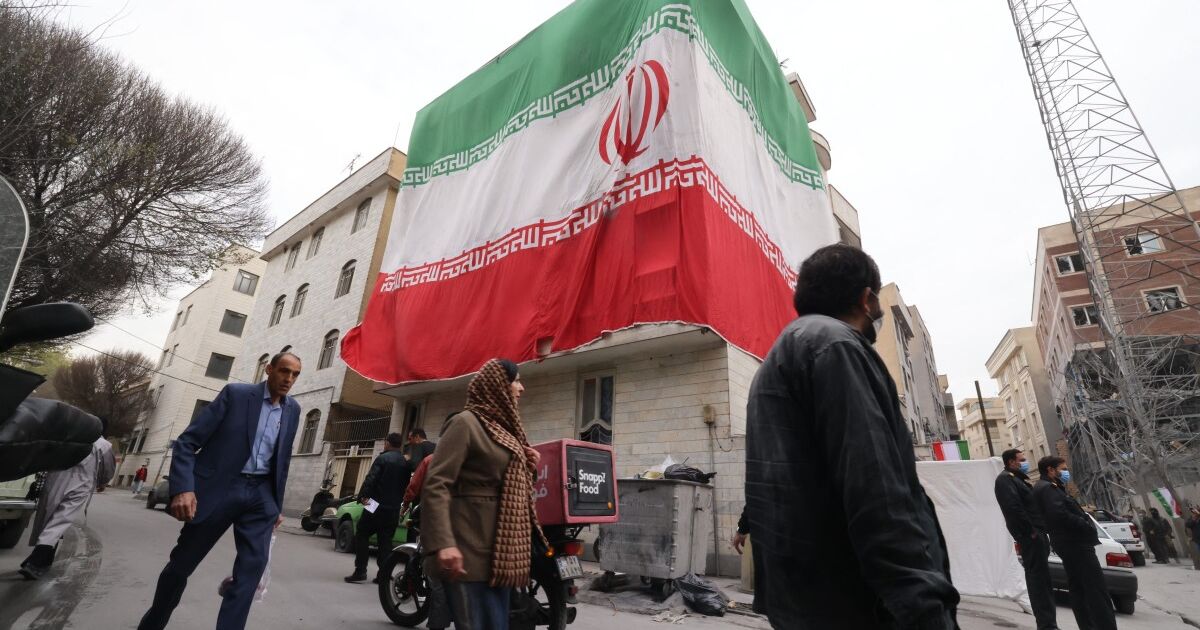
Trump Confirms US Strike on Iranian Kharg Island Oil Facilities Amid Regional Tensions
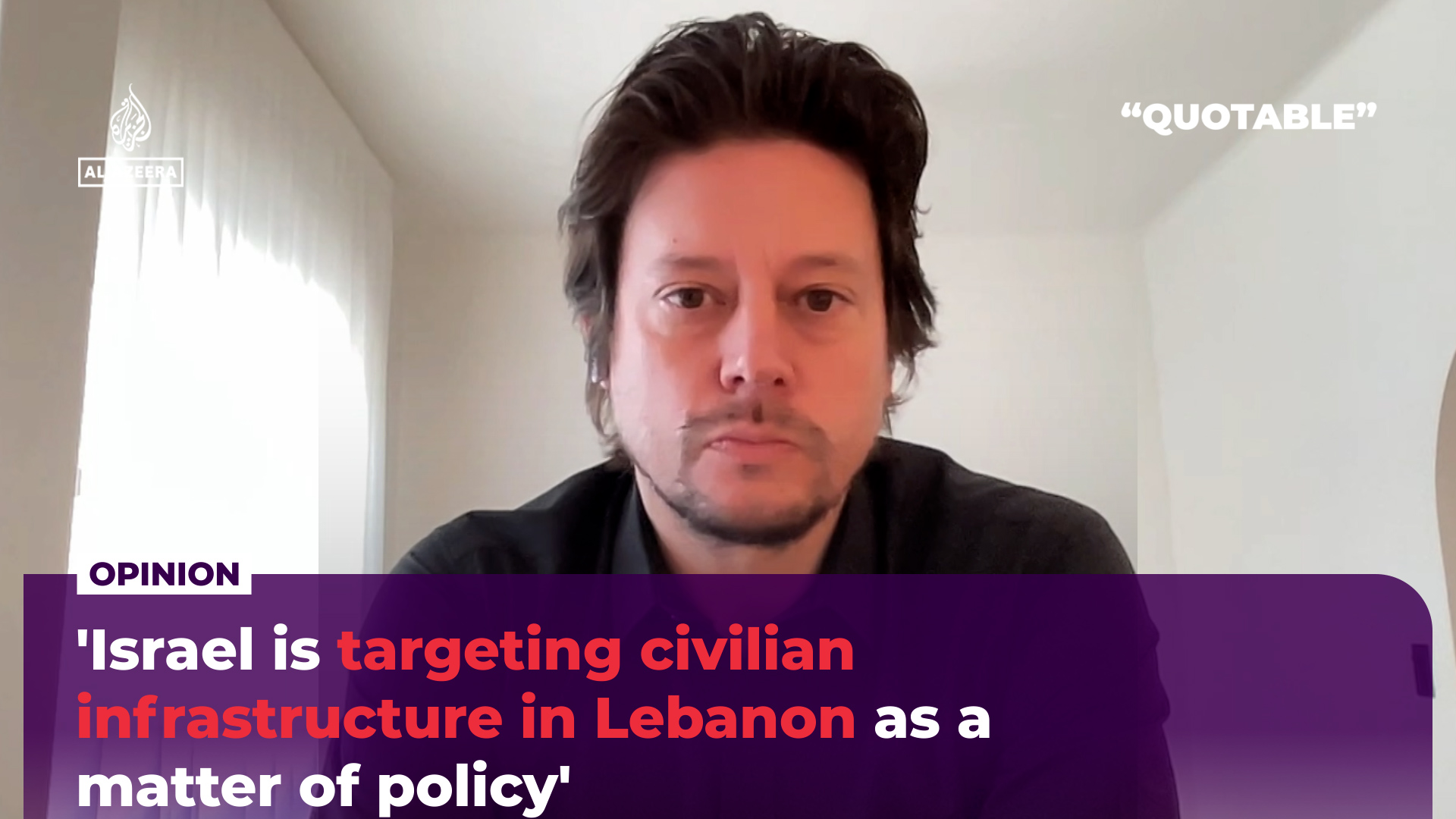
President Trump confirmed US airstrikes on Iran's Kharg Island oil facilities on Friday. Simultaneously, Israel targets civilian infrastructure in Lebanon as tensions escalate across the Middle East.
Western Media Shifted Coverage from Fear to Awe During Khomeini's 1979 Return
Imam Ruhollah Khomeini’s return to Tehran on February 1, 1979, was met with initial Western media framing characterized by fear and distortion, portraying the revolution as a fanatical threat. As millions mobilized for his arrival, global press coverage was compelled to acknowledge the revolution’s popular scale and the leader’s unique hold over the populace. This transition marked a significant geopolitical moment where established narratives struggled against unfolding reality.

Rafah Crossing Reopens Under Strict Conditions, Limiting Humanitarian Impact
The Rafah border crossing between Gaza and Egypt has resumed operations following a US-brokered ceasefire agreement after months of closure due to the conflict. However, movement remains highly restricted, permitting only limited medical evacuations and barring substantial humanitarian aid entry. Analysts question the reopening's efficacy in alleviating the severe crisis gripping the Strip.
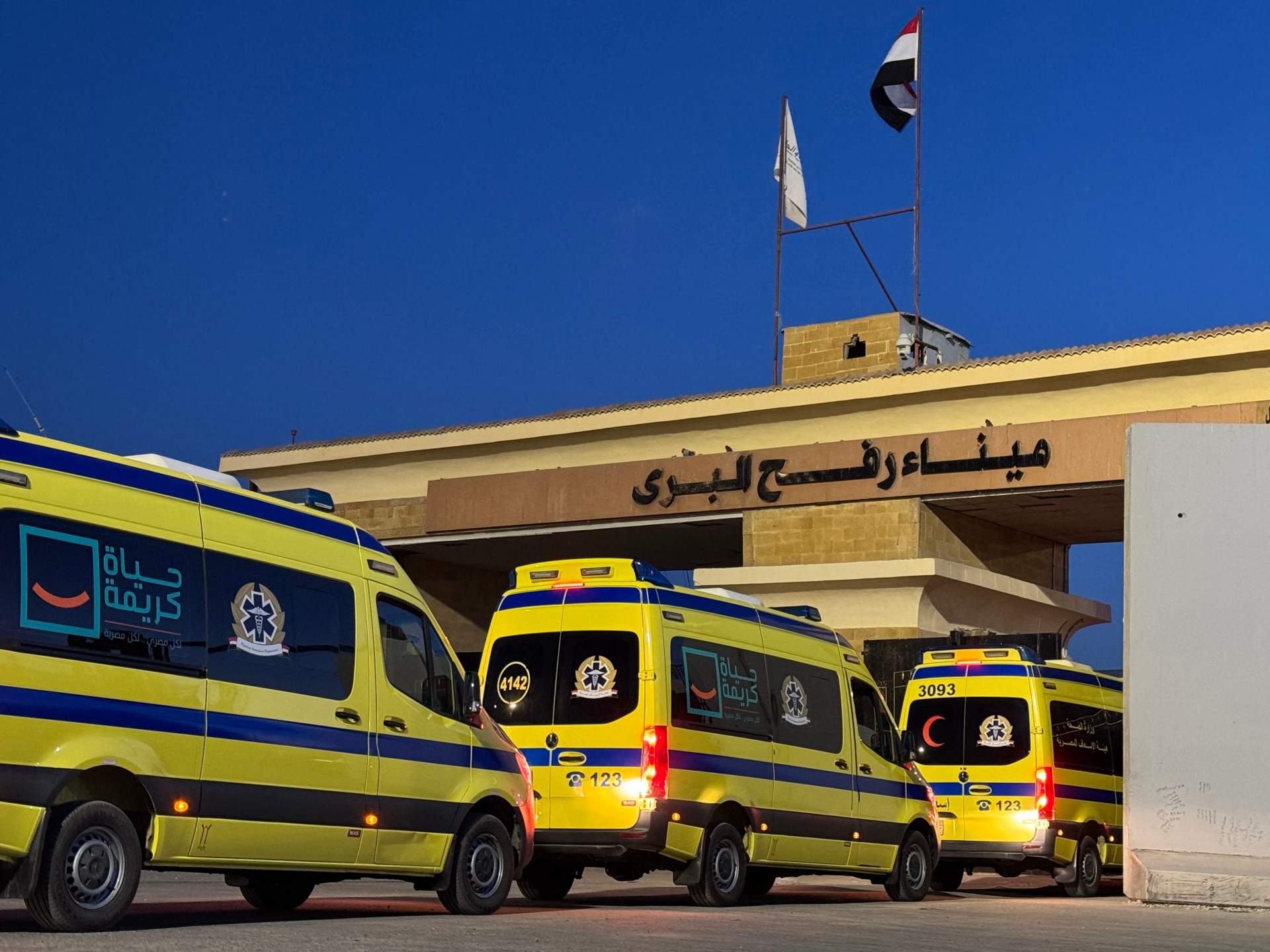
Medical Crisis in Gaza Highlights Blockage of Essential Drugs Amid Shifting Narratives
Reports from Gaza detail a severe shortage of essential medicines, exemplified by cases requiring critical drugs like baclofen, as international discourse reportedly shifts focus. The situation underscores a humanitarian crisis exacerbated by access restrictions impacting vulnerable populations.
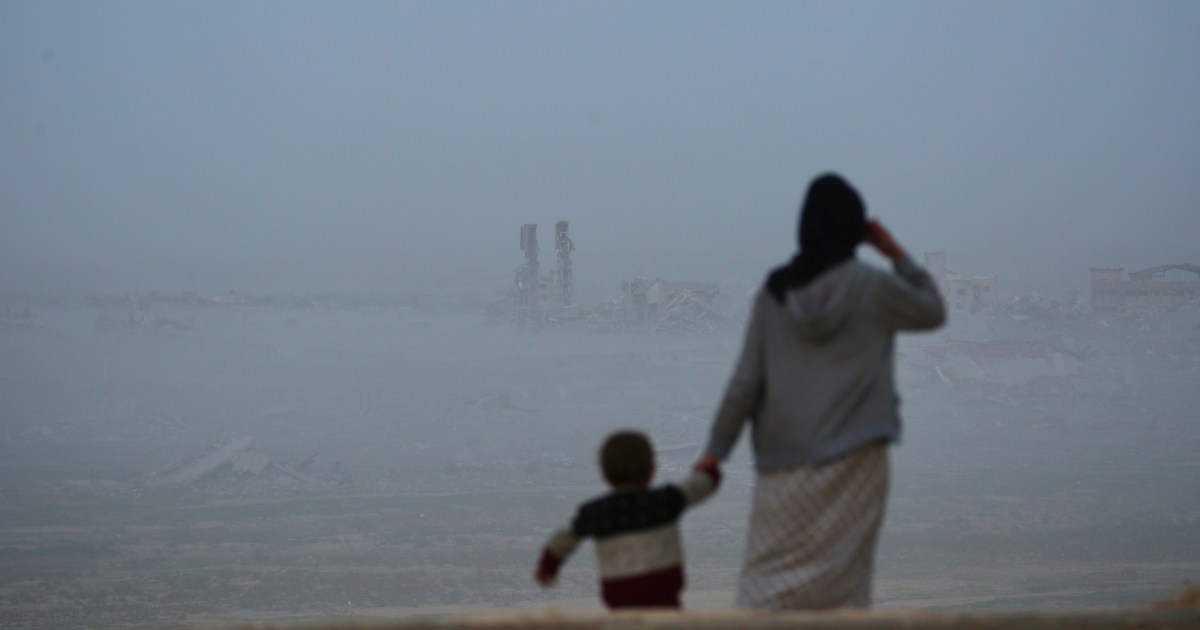
UN Welcomes Reopening of Gaza’s Rafah Border Crossing With Egypt
The United Nations confirmed its approval regarding the resumption of operations at the Rafah border crossing between Gaza and Egypt. This access point had been closed for nearly two years, impacting the movement of essential goods and personnel. The UN noted that only a small number of critically ill patients have utilized the crossing since its reopening.
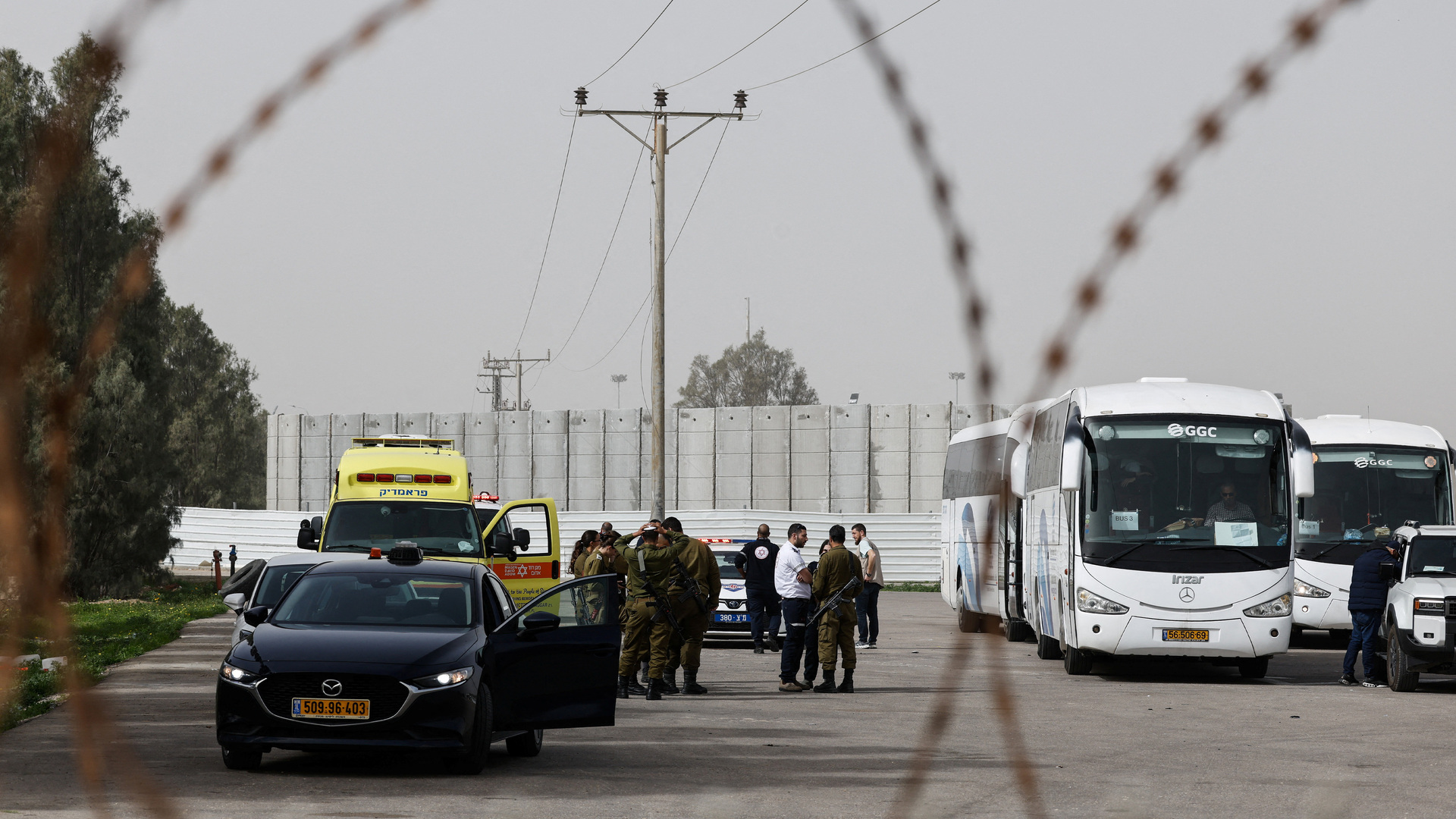
Syrian Government Forces Enter Al-Hassakeh Under Deal with Kurdish-Led SDF
Syrian government security forces entered the strategic city of al-Hassakeh on Monday, marking the implementation of a recent agreement with the Kurdish-led Syrian Democratic Forces (SDF). This accord permits the entry of interior ministry contingents in exchange for integrating the SDF administration into central oversight. The move aims to stabilize a fragile ceasefire following recent heavy fighting in northeastern Syria.
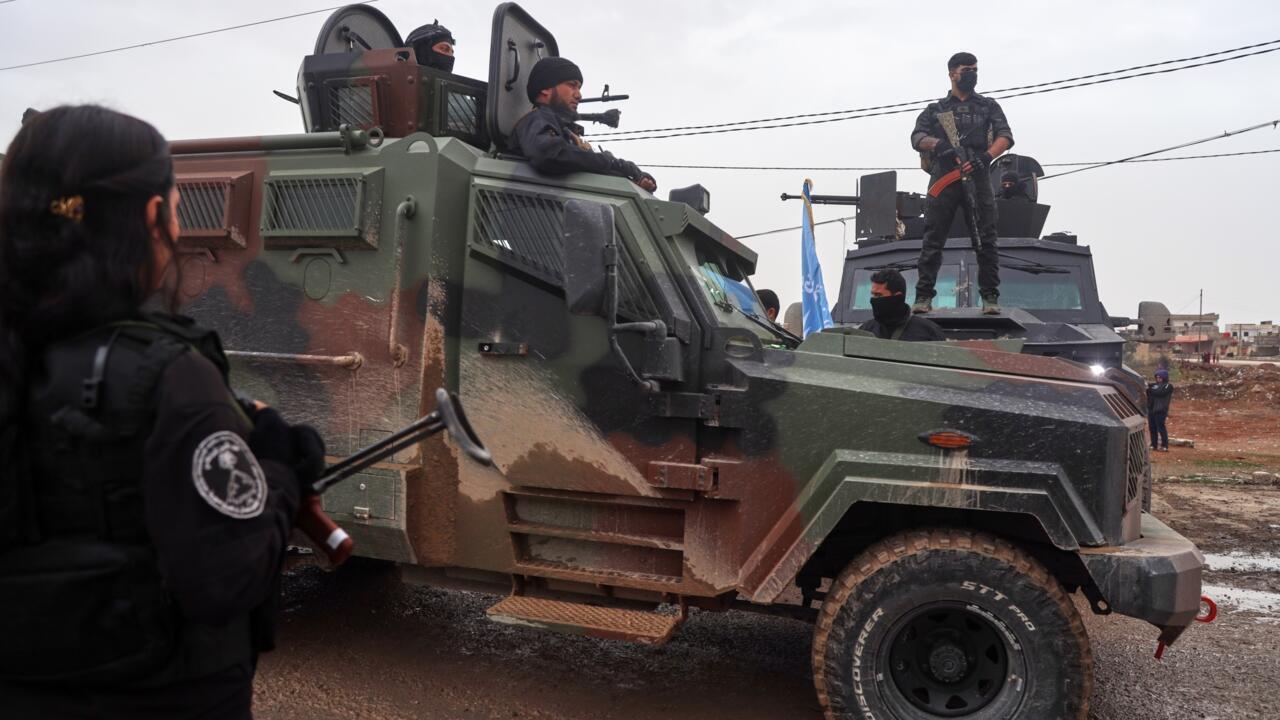
Israeli Naming of Rafah Facility Signals Shift to West Bank Annexation Model
The Israeli military facility designated 'Regavim Inspection Nekez' near the Rafah crossing carries significant ideological weight, according to analysts. The terminology suggests a transition from temporary security control to a long-term strategy mirroring West Bank land management practices.
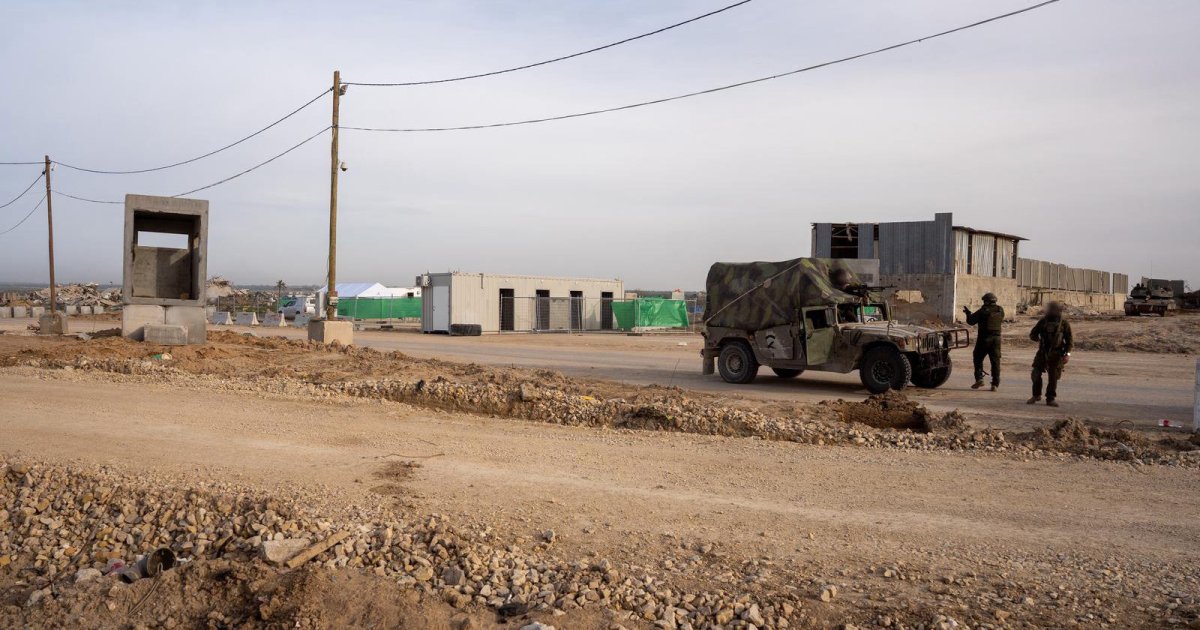
Iran Orders Diplomats to Pursue 'Equitable' Talks With US Amid Easing Tensions
Iranian President Masoud Pezeshkian directed his Foreign Minister to seek direct negotiations with the United States, signaling a potential de-escalation following weeks of heightened military posturing in the Gulf region. This directive follows increasing backchannel communications mediated by regional powers like Turkiye and Qatar. Tehran is reportedly examining diplomatic frameworks aimed at easing economic sanctions.
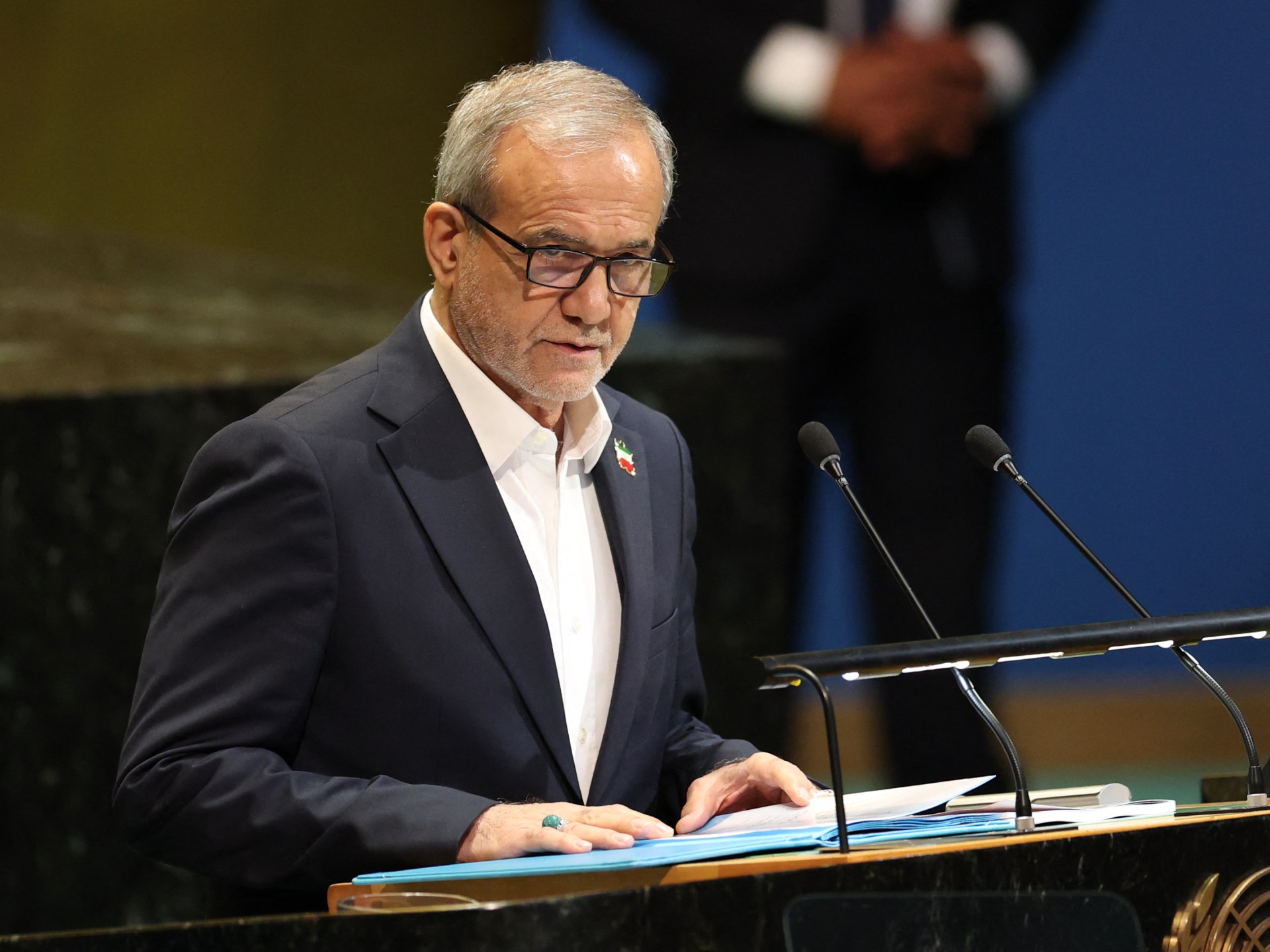
Iran's Water Scarcity Sparks Interest in Ancient Qanat Water Management Systems
Iran faces severe water bankruptcy following six consecutive years of drought, compounding existing economic and political unrest. Analysts suggest that traditional qanat systems, ancient underground aqueducts, may offer sustainable solutions for urban water supply.
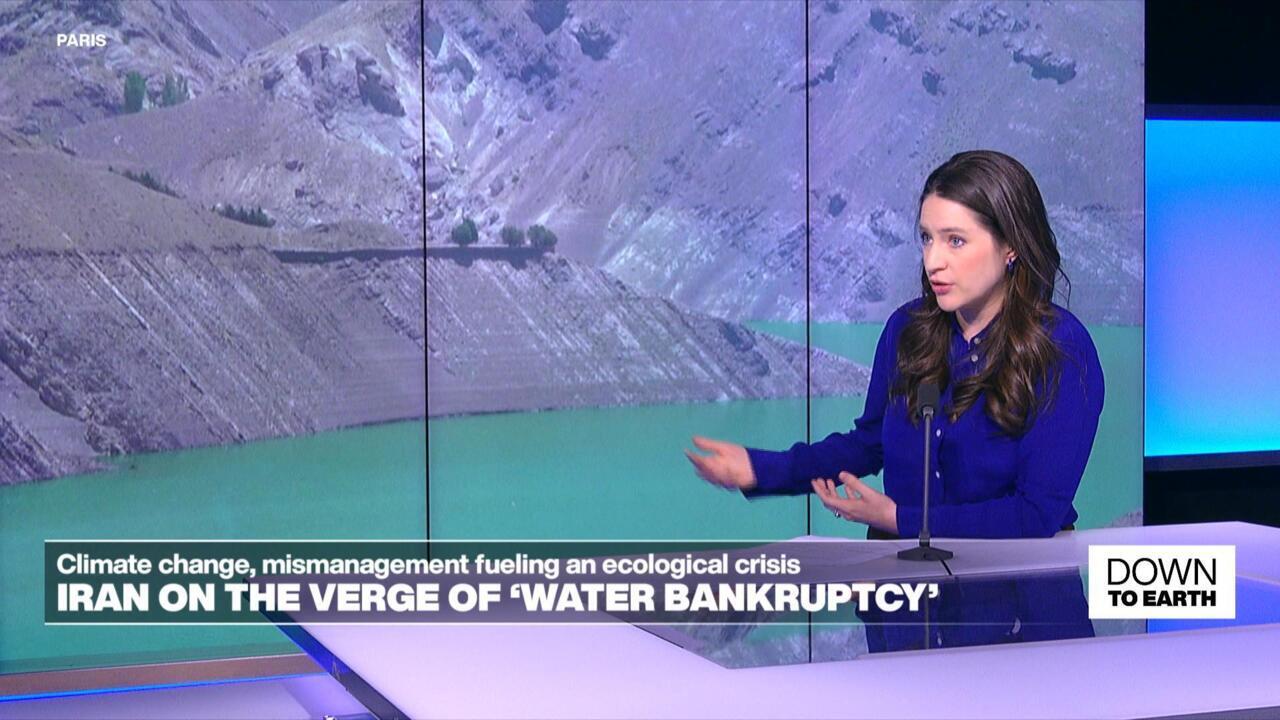
Rafah Crossing Partially Reopens, Offering Limited Lifeline for Gazans Awaiting Exit
The Rafah border crossing between Gaza and Egypt has partially resumed operations, allowing a restricted flow of pedestrians after several months of closure. This limited reopening provides a scarce pathway for thousands of Palestinians seeking urgent medical care, educational opportunities, or family reunification abroad. However, control by Israel over the Palestinian side restricts the scope of movement and humanitarian access.
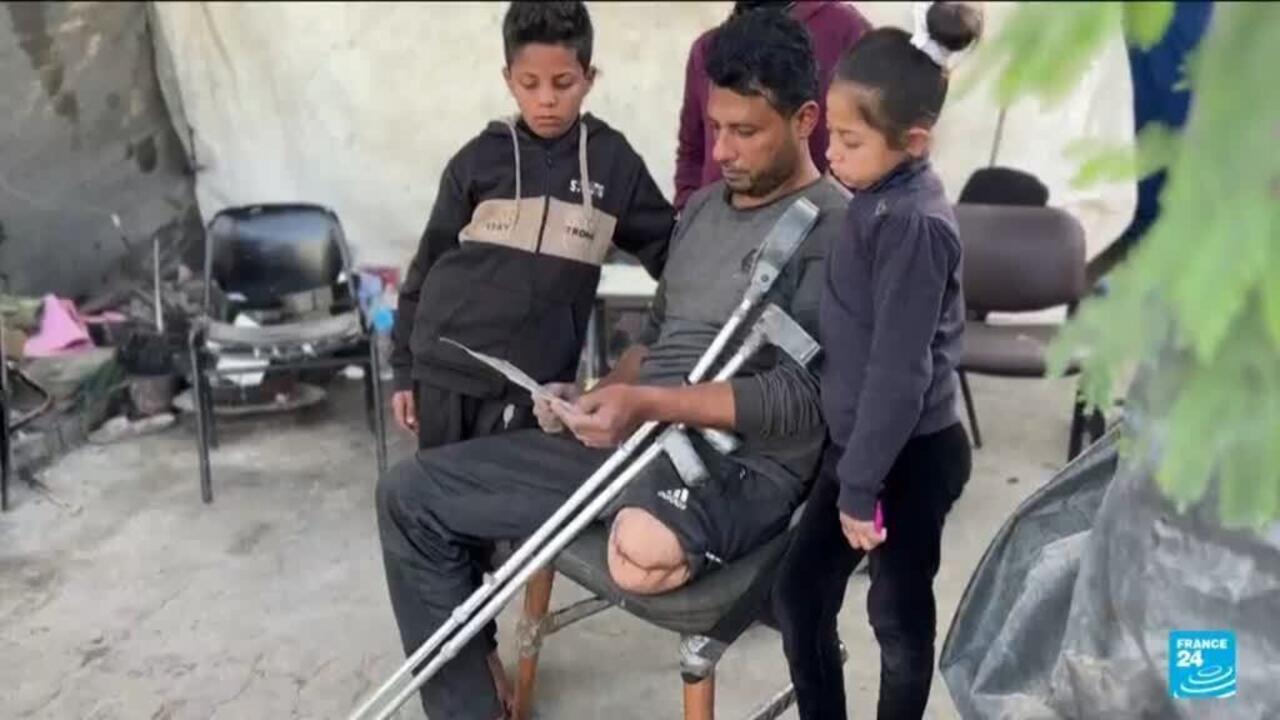
Gaza's Rafah Crossing Reopens for Limited Palestinian Movement Between Gaza and Egypt
The Rafah border crossing between the Gaza Strip and Egypt resumed operations on Monday, allowing a limited number of Palestinians to cross in both directions. An Israeli security official confirmed the reopening, while an Egyptian source detailed initial crossing quotas. This development signals a tentative step toward restoring external movement for Gazan residents.
Rafah Crossing Reopens for Limited Medical Evacuations After Two-Year Closure
The Rafah border crossing between Gaza and Egypt reopened on Monday for limited traffic after an extended closure, permitting only five Palestinian patients to depart for external medical treatment on the inaugural day, according to medical sources. This limited resumption of movement follows a U.S.-brokered ceasefire agreement intended to halt ongoing hostilities. The slow processing highlights significant security hurdles imposed by Israeli vetting procedures.

Oil Prices Drop Nearly 5% Following US-Iran De-escalation Rhetoric
Global crude oil benchmarks registered their largest one-day decline in six months on February second, dropping nearly five percent. The sharp correction followed comments from the US President suggesting Iran was showing seriousness regarding negotiations with Washington. This shift in tone immediately reduced geopolitical risk premiums embedded in energy futures.
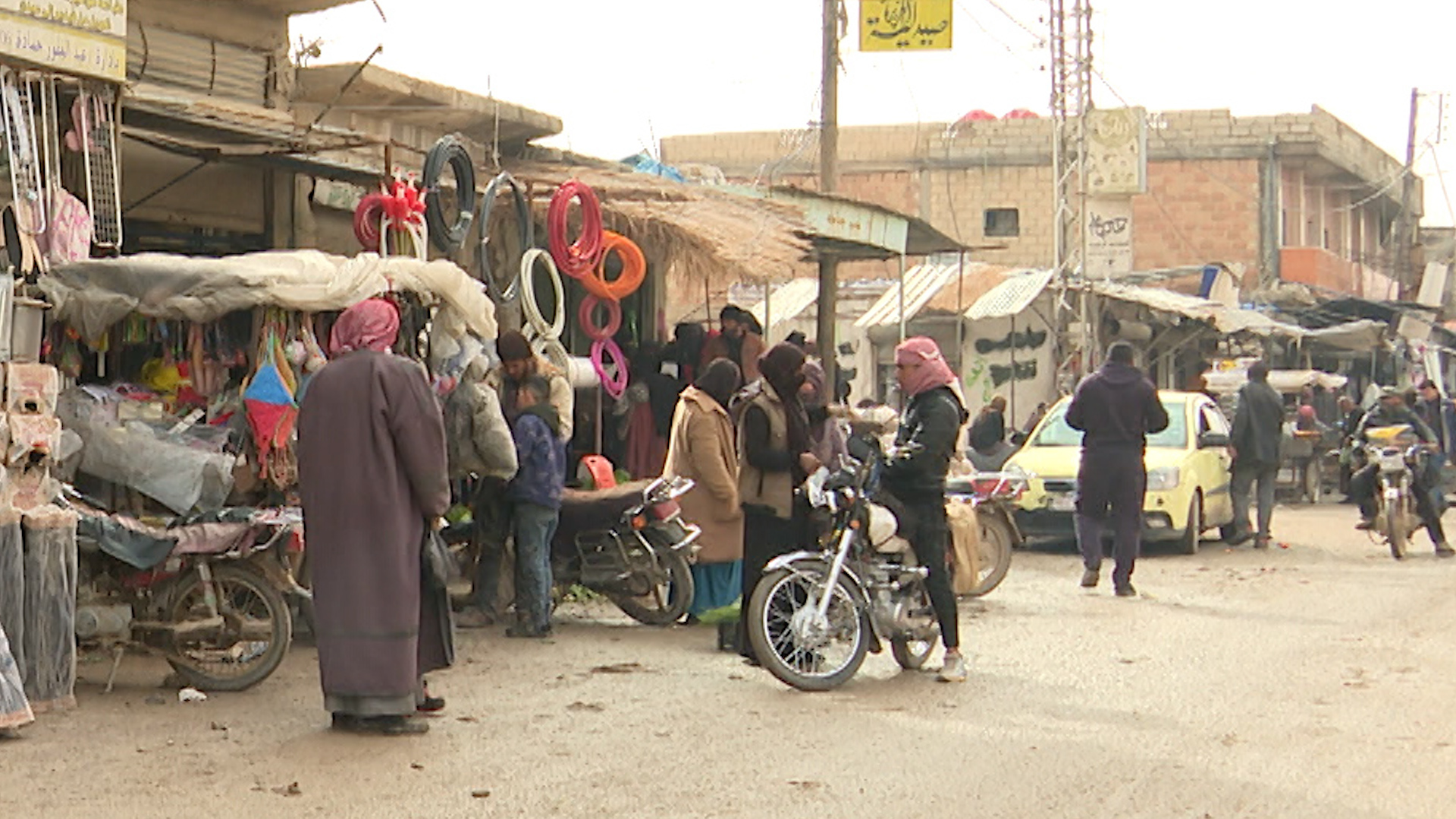
Syrian Residents Face Uncertainty as Government Troops Enter SDF-Held Hasakah
Syrian government forces have begun entering parts of Hasakah province following an agreement with the Kurdish-led Syrian Democratic Forces (SDF). The transition has generated mixed reactions among local populations grappling with shifting security dynamics. Al Jazeera correspondent Teresa Bo reported on the hopes and anxieties defining the atmosphere in the retaken zones.
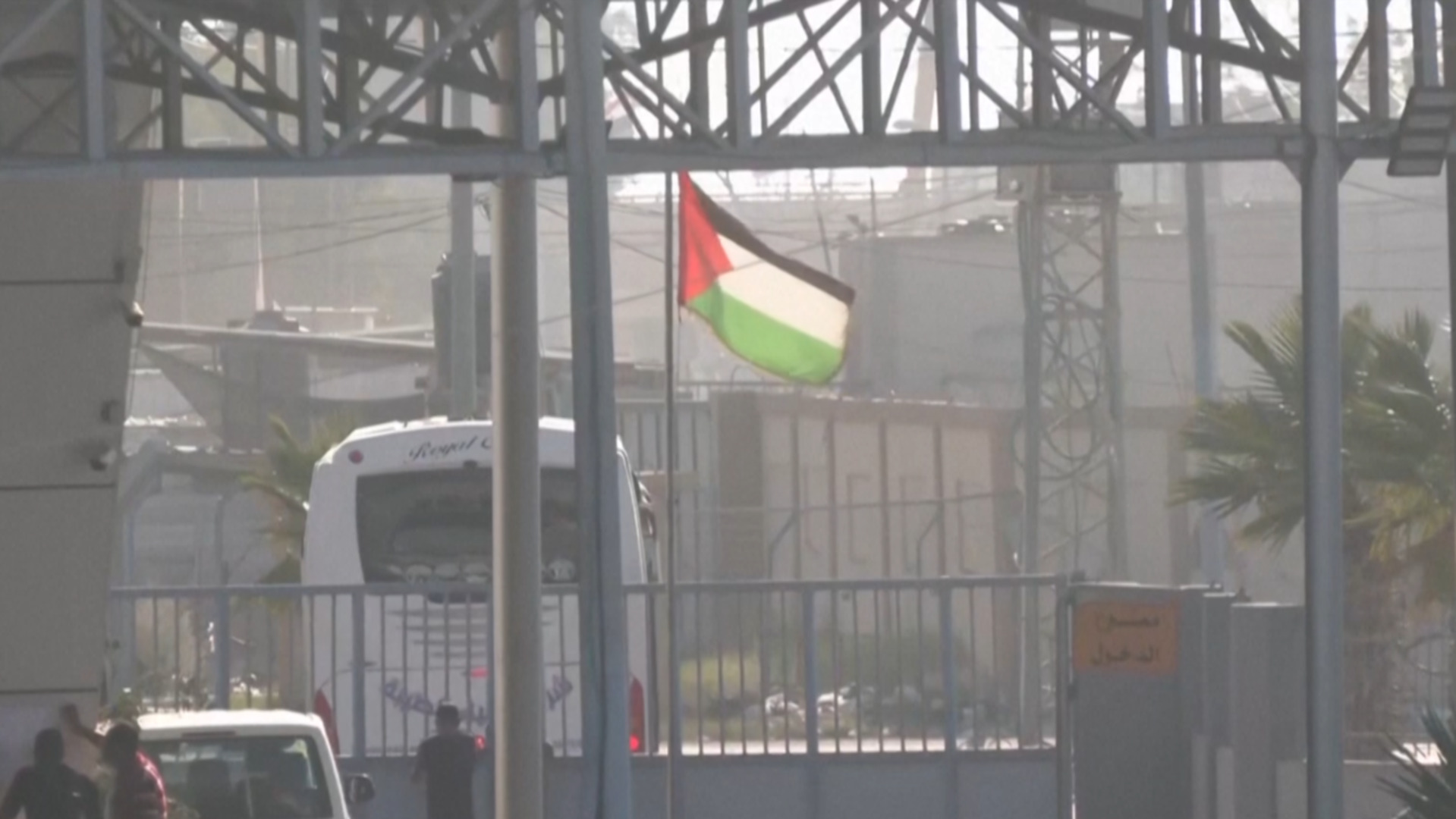
Israel Reopens Rafah Crossing Under Strict Limits, Prompting Criticism
Israel announced the limited reopening of the Rafah crossing after nearly two years of closure, allowing a maximum of 200 individuals daily passage. International observers note the restrictive quota fuels Palestinian concerns that the move serves primarily as public relations. This development impacts humanitarian access and mobility for those dependent on the vital border point.
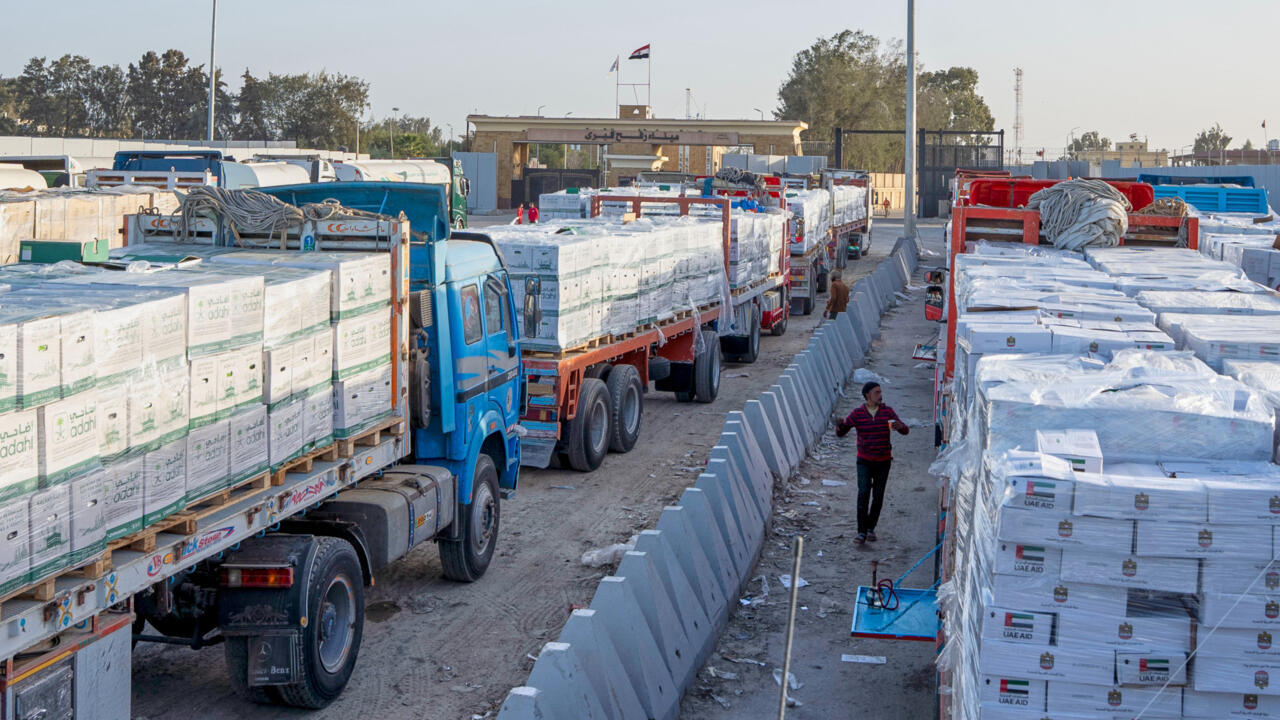
Rafah Border Crossing Reopens for Limited Medical Evacuations to Egypt
The Rafah border crossing between Gaza and Egypt reopened on Monday, facilitating the passage of the first Palestinian medical evacuees. An Egyptian official indicated that approximately 50 Palestinians would cross in each direction on the initial day of operation. This marks a key, albeit limited, step in the ongoing Israel-Hamas ceasefire agreement.
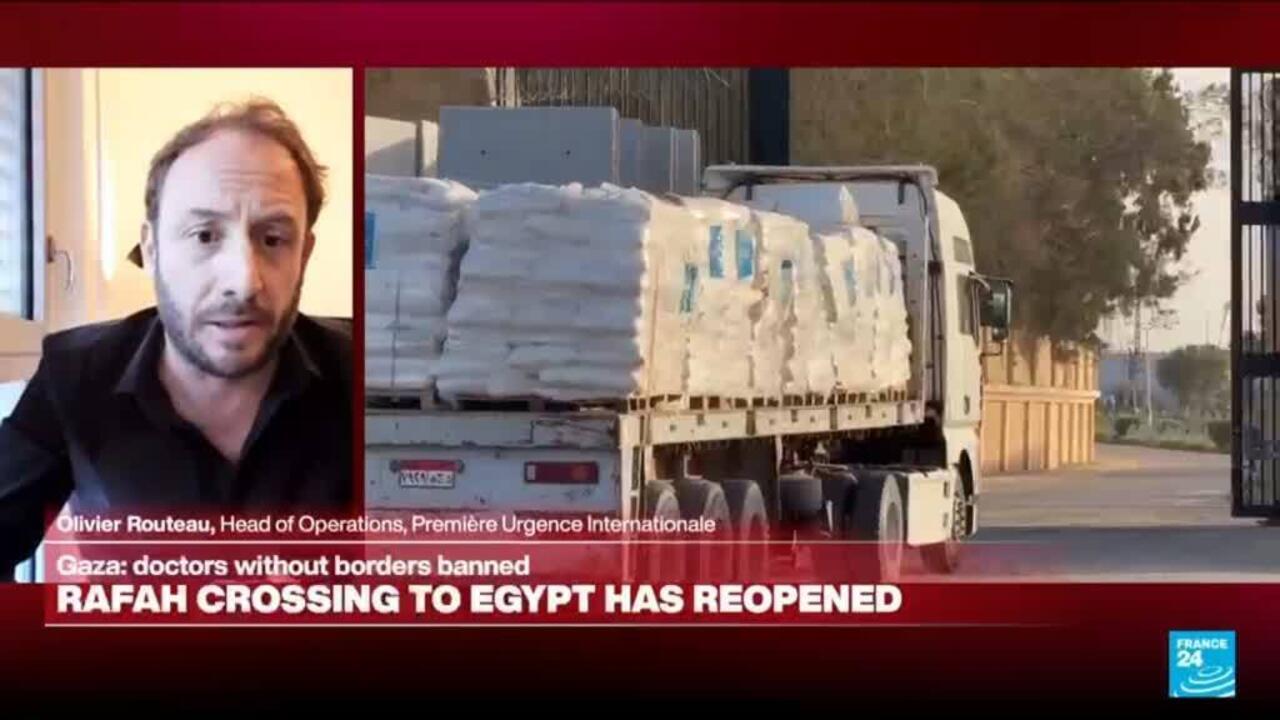
Aid Director Slams Israel's 'Illegal' Vetting Demands as Obstruction in Gaza
Olivier Routeau, Director of Operations at Première Urgence Internationale, condemned Israeli vetting requirements for aid entering Gaza as "fully illegal" and dangerous. Routeau cited preventable deaths, including ten children last week, resulting from these procedural hurdles at crossings like Rafah. The criticism rejects Israeli assertions regarding Hamas infiltration within non-governmental organizations.
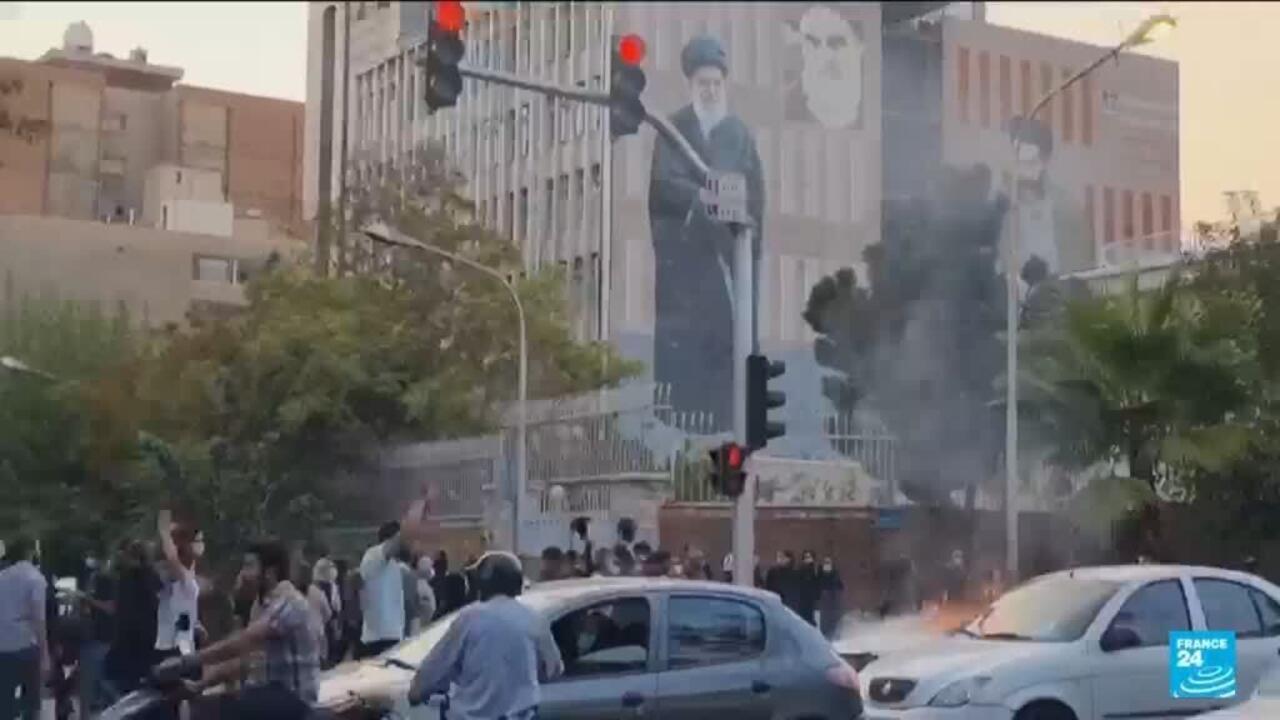
US Deploys Naval Force Amidst Rhetoric, While Trump Seeks Iran Nuclear Deal
Tensions between Washington and Tehran escalated following mutual threats and a significant US naval deployment near Iranian waters. Despite the military posturing, US President Donald Trump indicated optimism regarding a potential revival of nuclear negotiations. European relations with Iran also soured after the EU designated the Revolutionary Guard a terrorist entity.
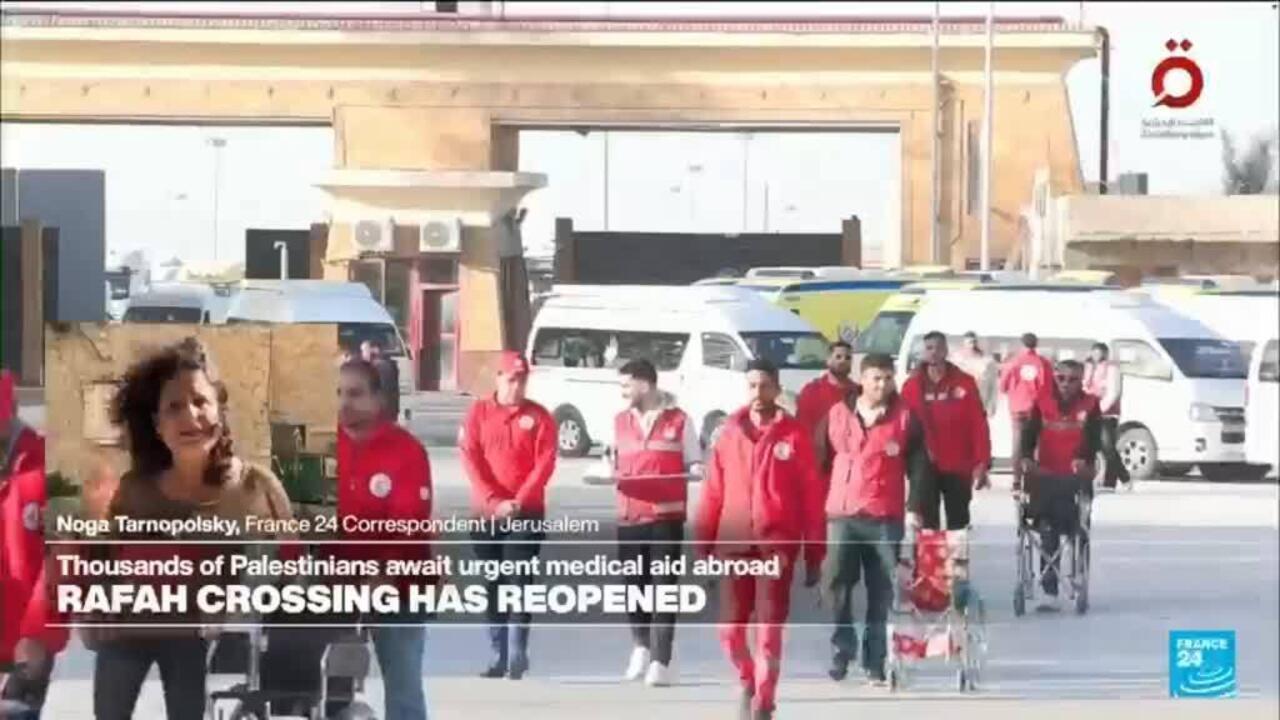
Rafah Crossing Partially Reopens Under Tight Restrictions Following Israeli Control
The Rafah border crossing between Gaza and Egypt has resumed limited operations, allowing a restricted flow of Palestinian movement after months of closure. Israeli officials confirmed the pilot phase reopening, which follows the Israeli military seizure of the crossing in May 2024. Egyptian media indicated initial quotas will permit only fifty individuals in each direction.
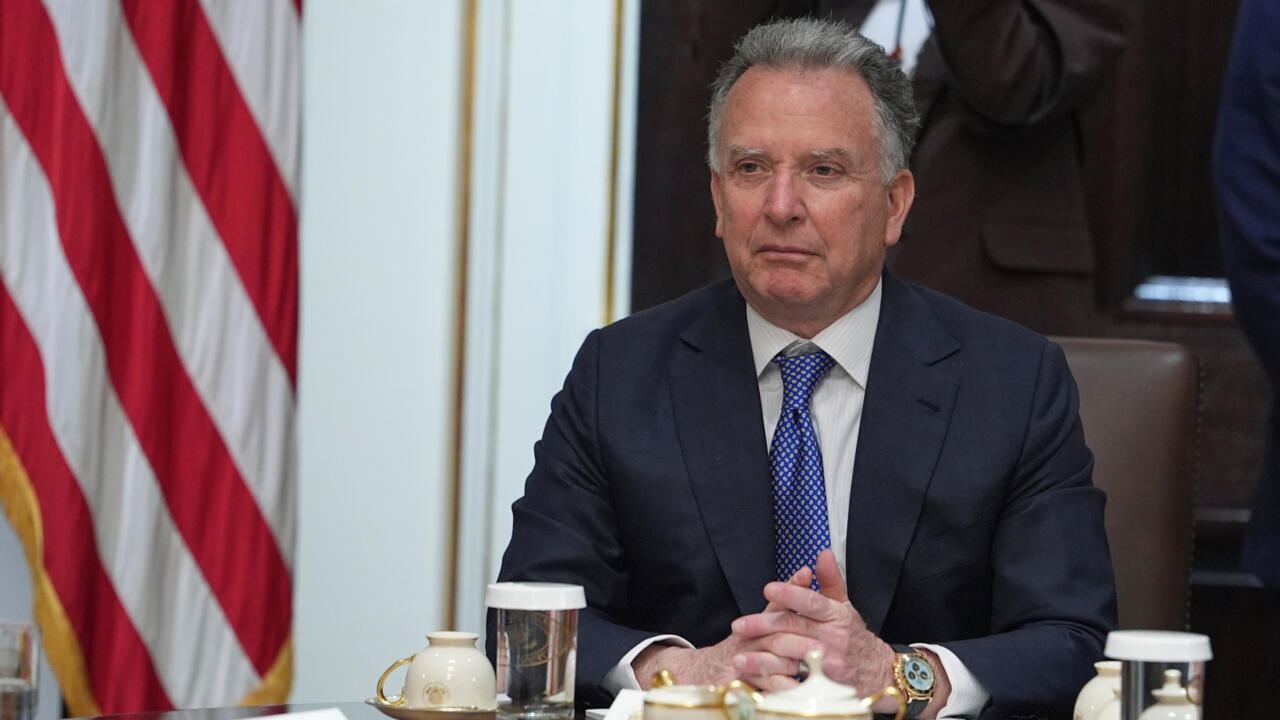
US Envoy and Iranian FM to Meet in Istanbul Amid Nuclear Tensions
US Special Envoy Steve Witkoff is scheduled to meet Iranian Foreign Minister Abbas Araghchi in Istanbul on Friday to discuss a potential nuclear agreement. The high-level engagement follows escalating rhetoric from Washington, which has kept military options on the table.
Iranian Protester Erfan Soltani Released on Bail Following Death Sentence Reports
Erfan Soltani, a 26-year-old Iranian citizen arrested during recent nationwide protests, has been released on bail, according to reports from his legal counsel. The release follows international concern after human rights groups claimed Soltani faced imminent execution. Iranian authorities had previously disputed the death sentence, citing only security-related charges.
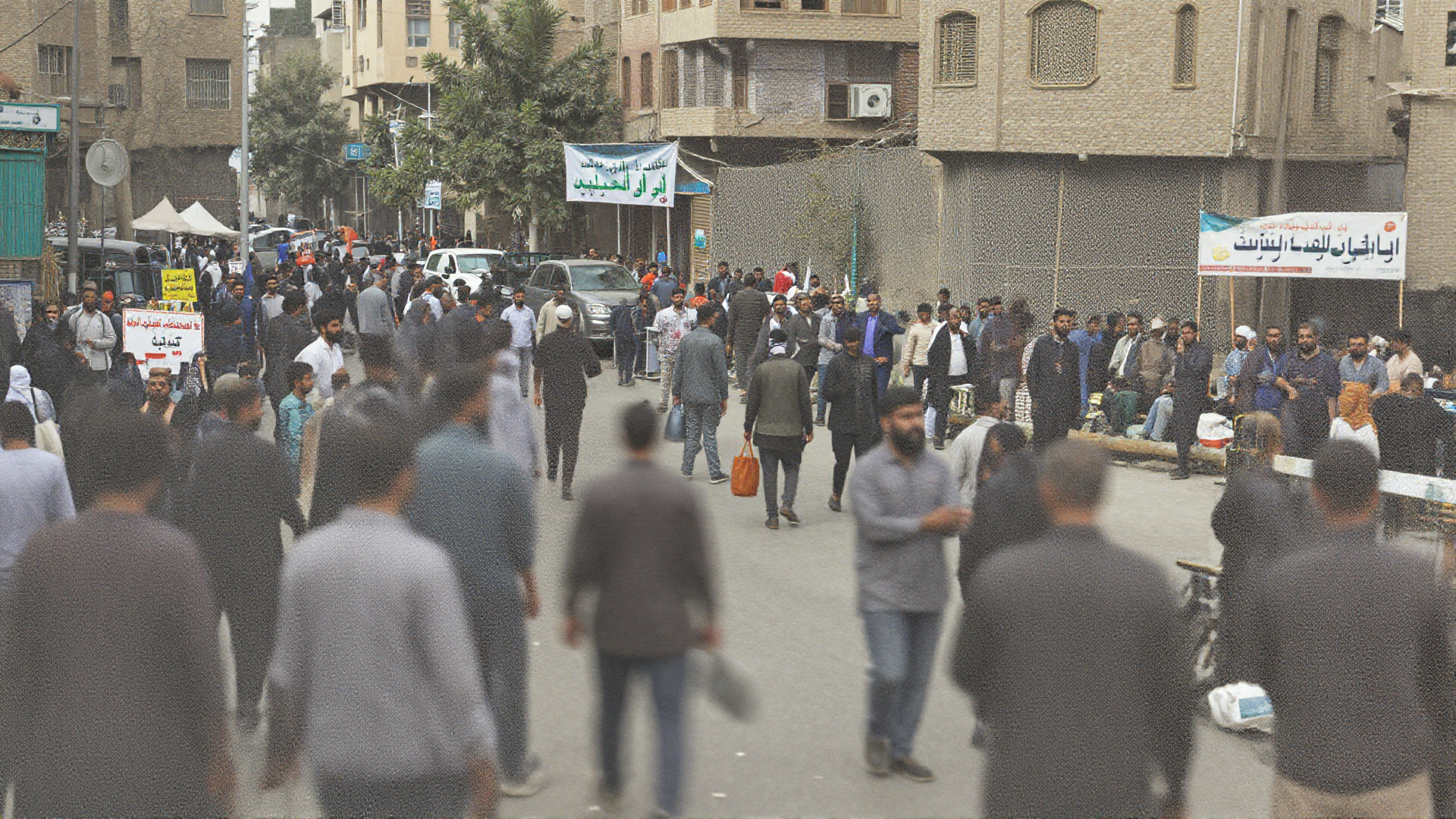
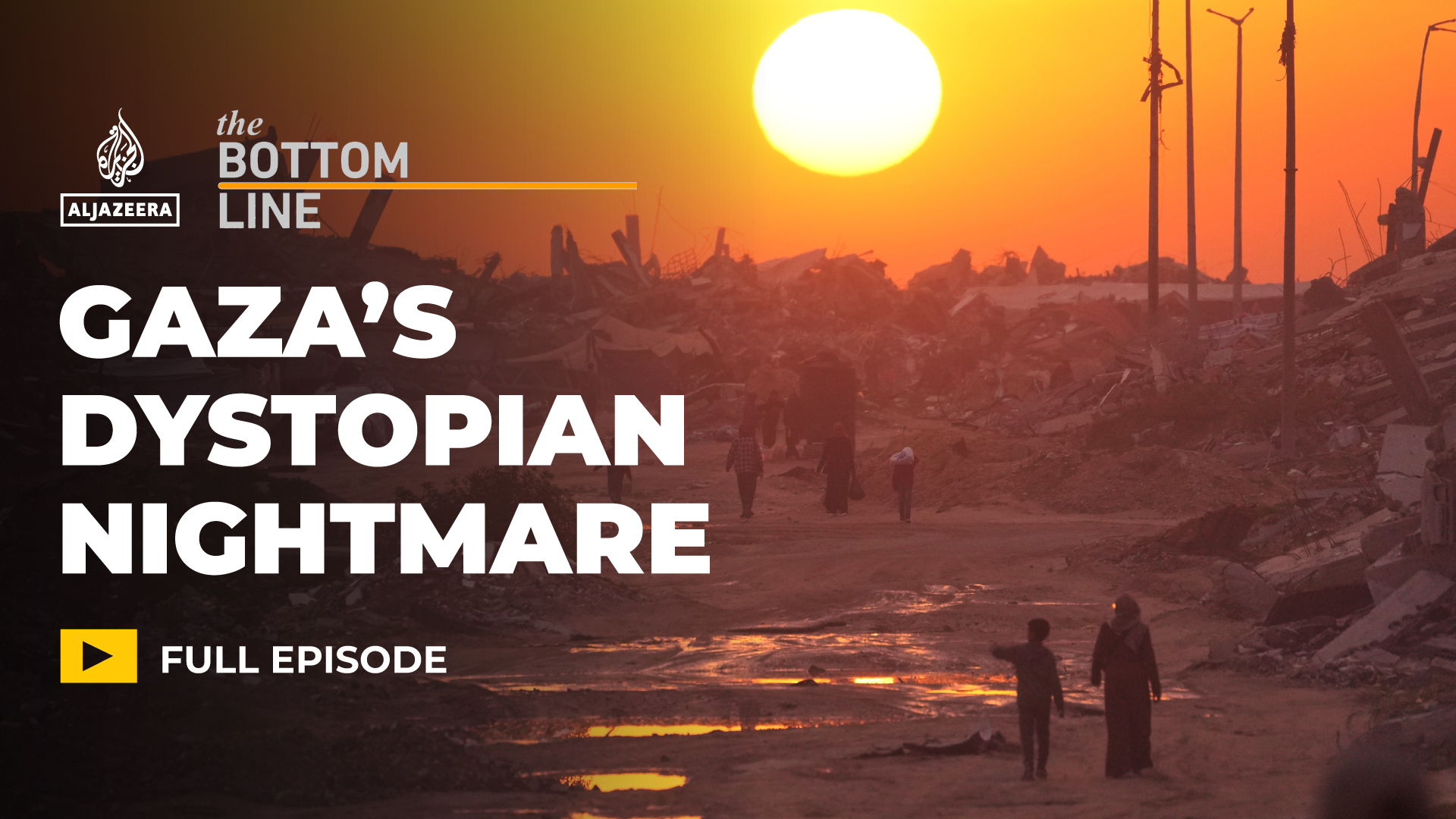
Geopolitical Critique: Gaza's Humanitarian Crisis Contrasts US Focus on High-Tech Urban Planning
Analysts are contrasting the severe humanitarian conditions in Gaza with recent United States discussions promoting AI-driven smart city development as a future framework for stability. Sharif Abdel Kouddous of Drop Site News described proposed US plans for the region as a "theme park of dispossession" for Palestinians. This juxtaposition highlights deep skepticism regarding proposed stabilization efforts amid ongoing conflict.
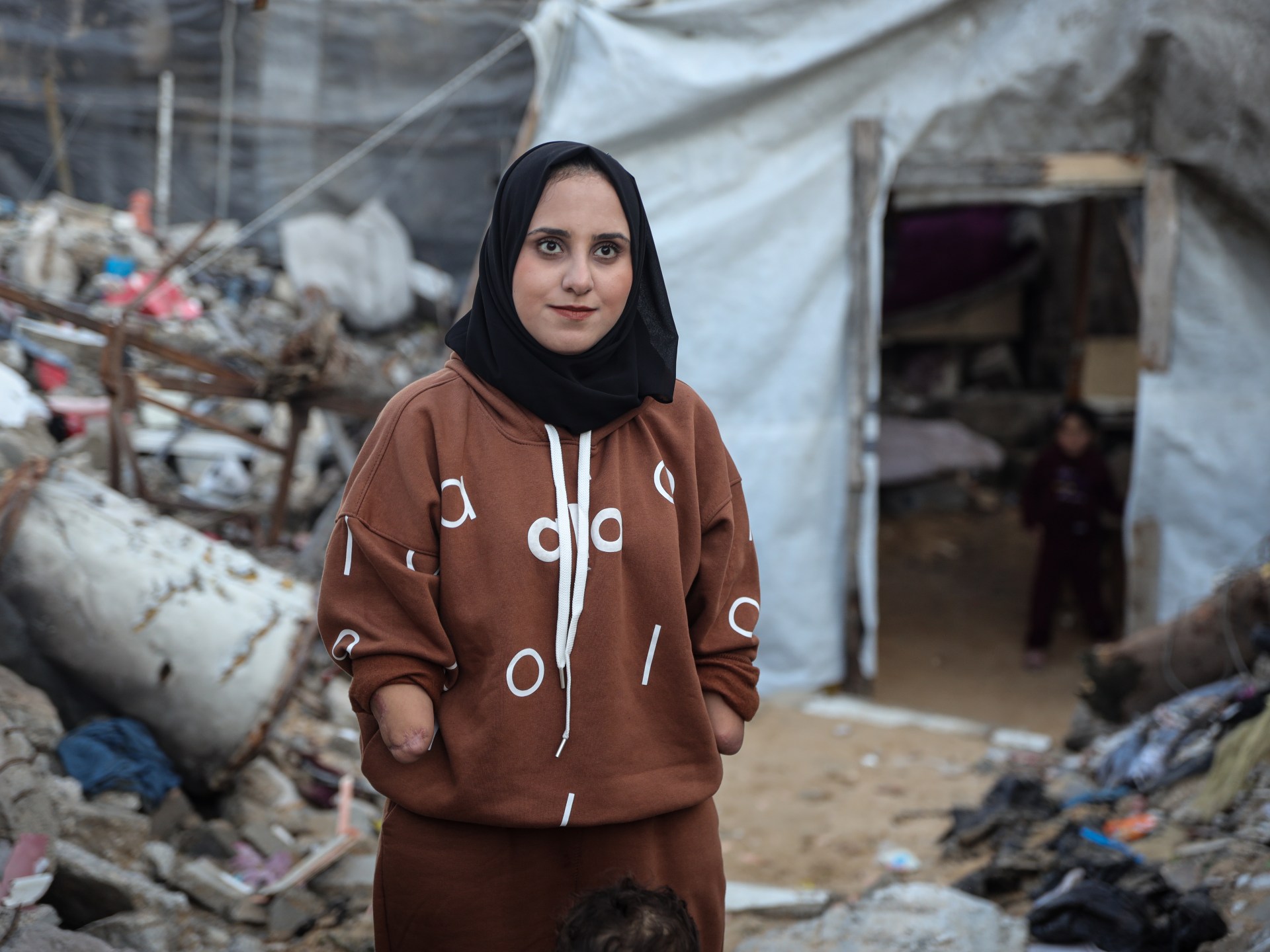
Gaza Medical Patients Face Uncertainty as Rafah Crossing Reopens on Pilot Basis
The partial reopening of the Rafah crossing into Egypt has created confusion for thousands of critically wounded Gazan patients awaiting specialized external treatment. Reports indicate unclear selection criteria and limited travel slots are leaving individuals, like double amputee Nebal al-Hessi, in prolonged medical limbo. Global health bodies warn that continued delays threaten lives amid the Strip's collapsing healthcare infrastructure.
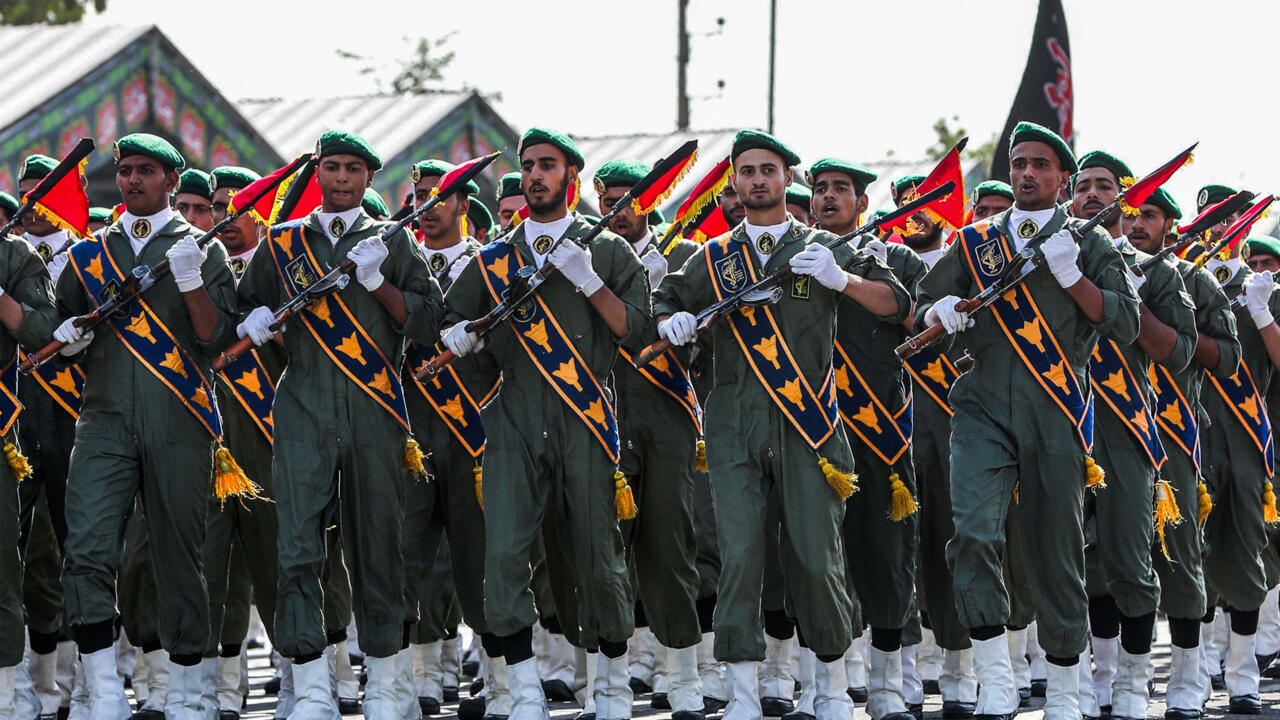
Iran Designates European Militaries as Terror Groups After EU IRGC Listing
Tehran formally designated the armies of European nations as terrorist organizations on Sunday, directly retaliating against the European Union's recent decision to blacklist the Islamic Revolutionary Guard Corps (IRGC). The parliamentary action escalates geopolitical tensions already heightened by recent mutual threats between Iran and the United States.
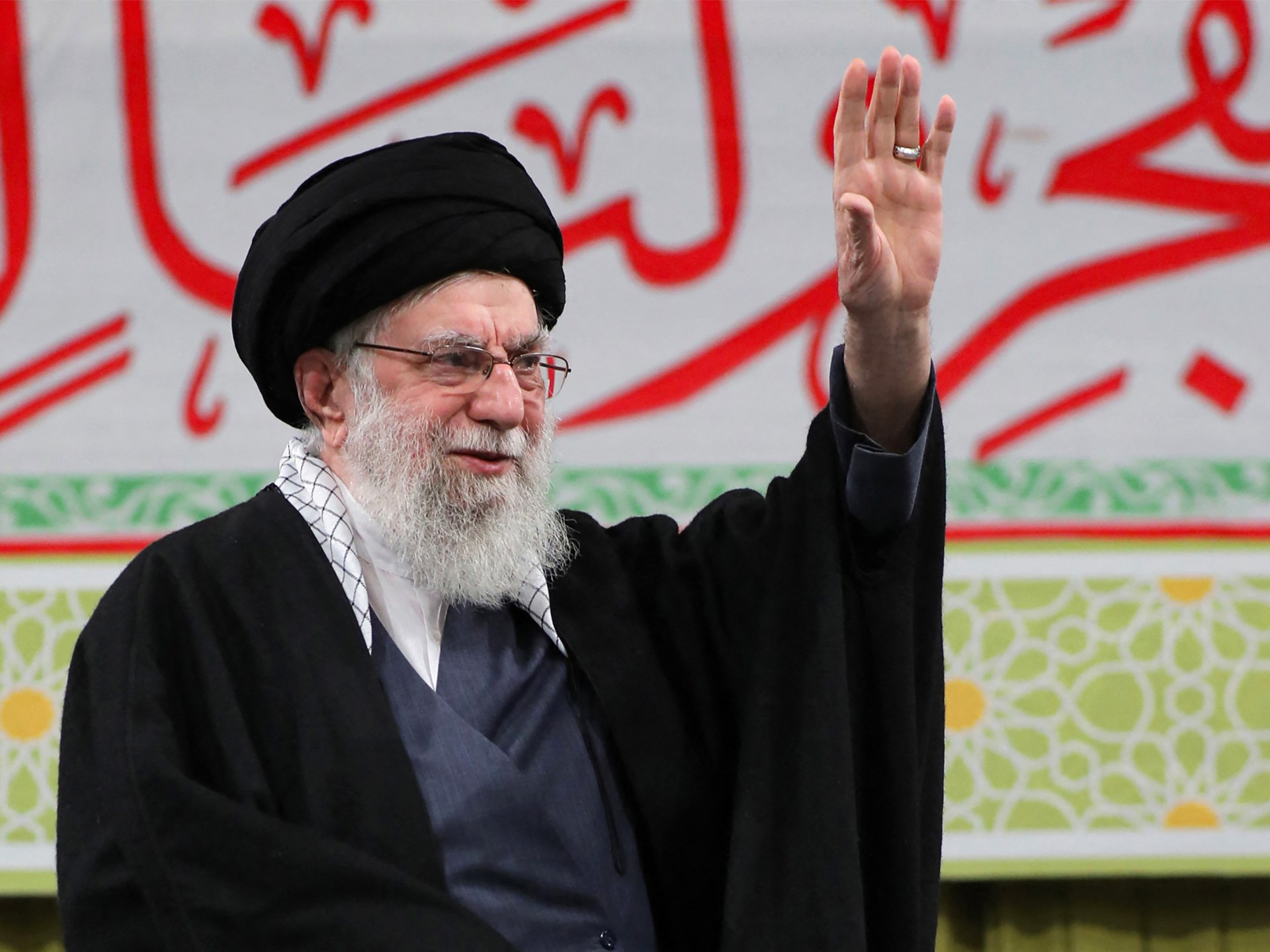
Iran's Supreme Leader Warns US of 'Regional War' Amid Military Build-up
Iranian Supreme Leader Ali Khamenei issued a direct threat to the United States, stating any military action against Tehran would escalate into a regional conflict. The warning comes as US President Donald Trump continues to amass military assets in the Middle East, escalating geopolitical tensions in the Gulf. Khamenei framed the potential conflict as a defense against US aims to control Iran's substantial hydrocarbon reserves.
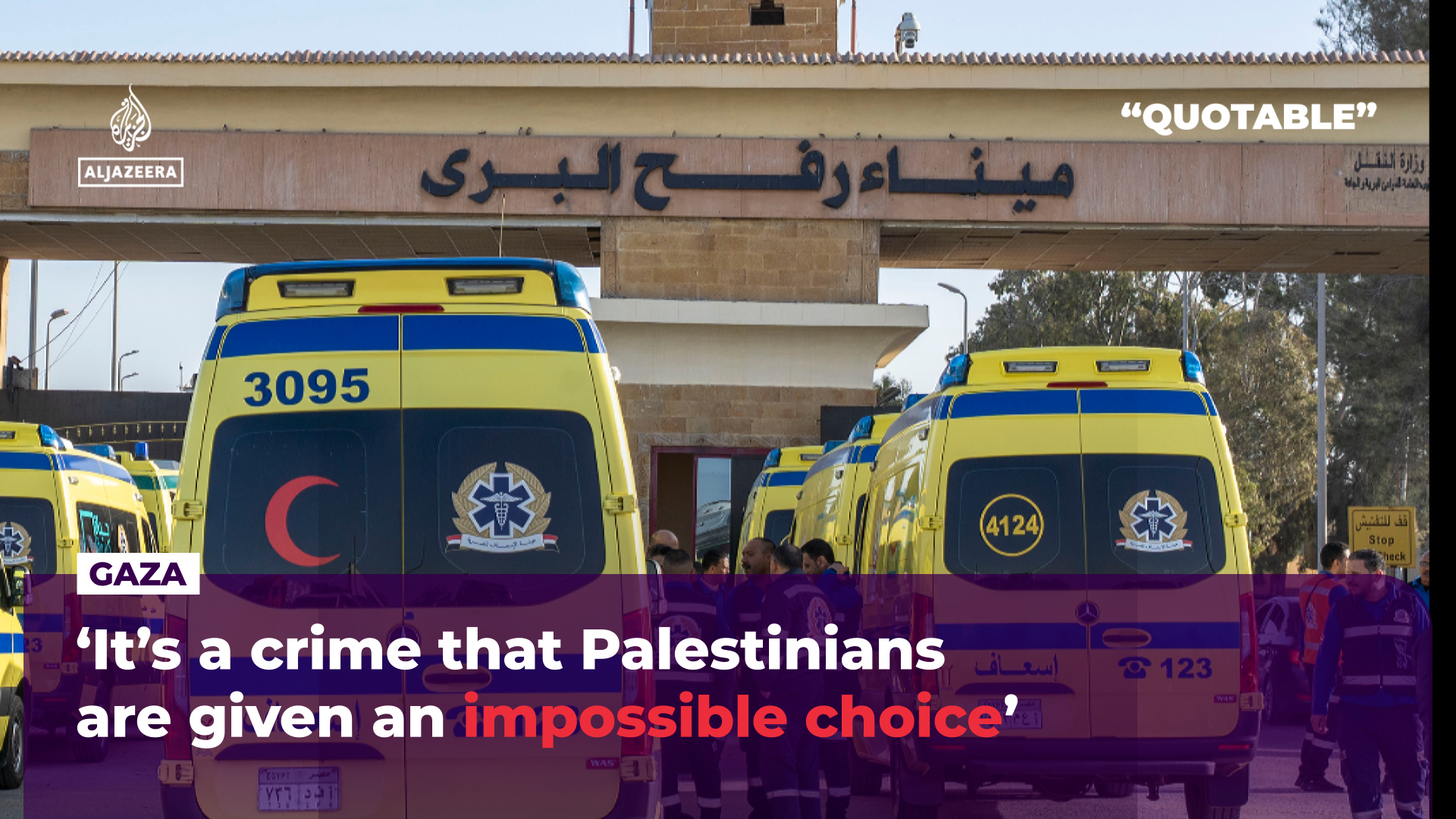
Rafah Crossing Reopens Amid Palestinian Fears Over Restricted Return
The reopening of the Rafah border crossing is raising significant humanitarian and political concerns regarding the ability of Palestinians to return after seeking essential medical care abroad. Reports indicate that exit and subsequent re-entry procedures are expected to be tightly controlled, compounding existing displacement anxieties.
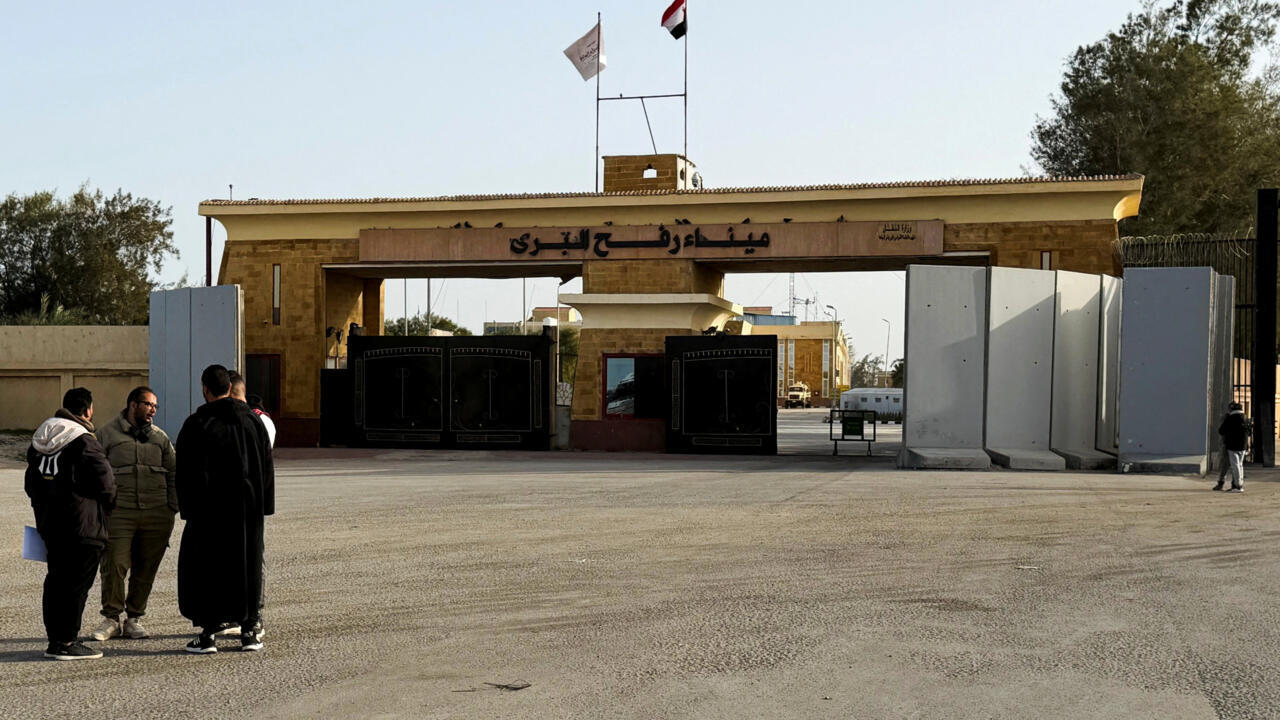
Israel to Reopen Rafah Crossing for Limited Foot Traffic Starting Monday
Israel announced the reopening of the Rafah border crossing for Palestinian movement starting Monday, following extensive closure periods. The initial capacity is set at approximately 150 individuals per day, exclusively crossing on foot, according to Israeli statements. This move signals a minor adjustment to the enclave's primary gateway amid ongoing conflict.
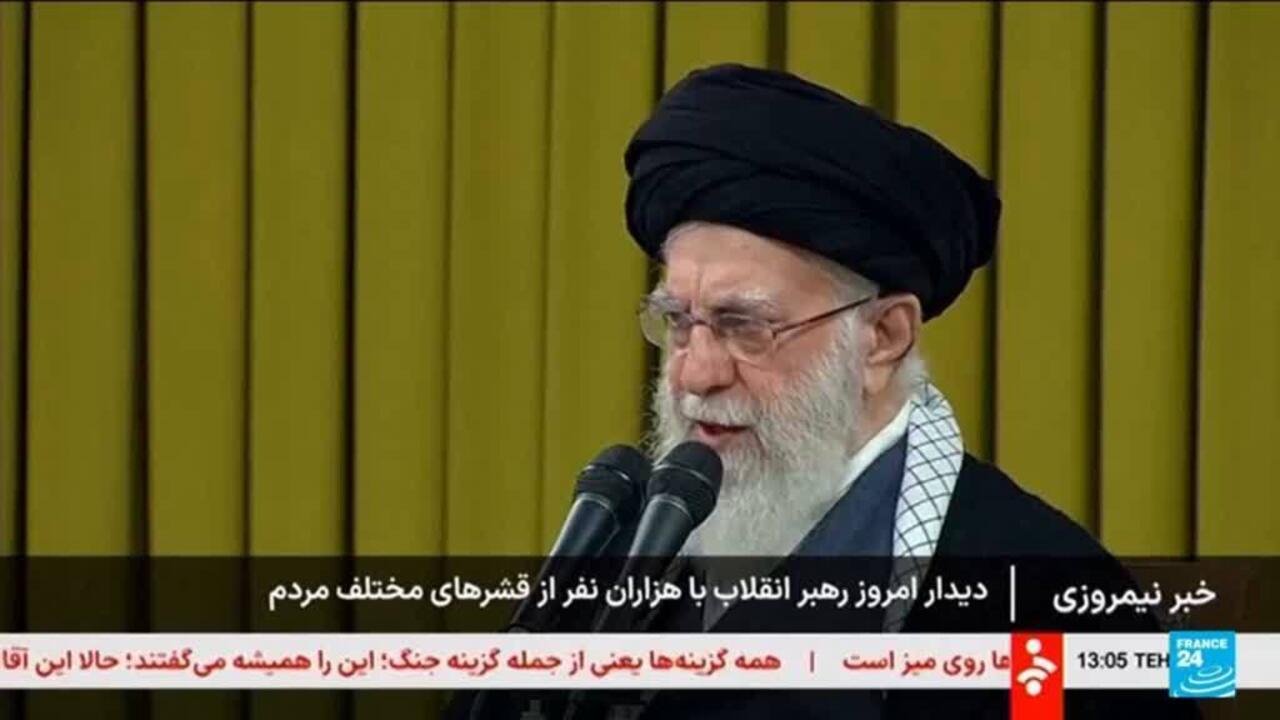
Iran Warns US Attack Triggers Regional War Amid Escalating Tensions
Iran's Supreme Leader issued a stern warning on Sunday, asserting that any military action by the United States against the Islamic Republic would immediately ignite a broader regional conflict in the Middle East. This escalation follows recent threats from Washington concerning Tehran's internal handling of domestic protests.
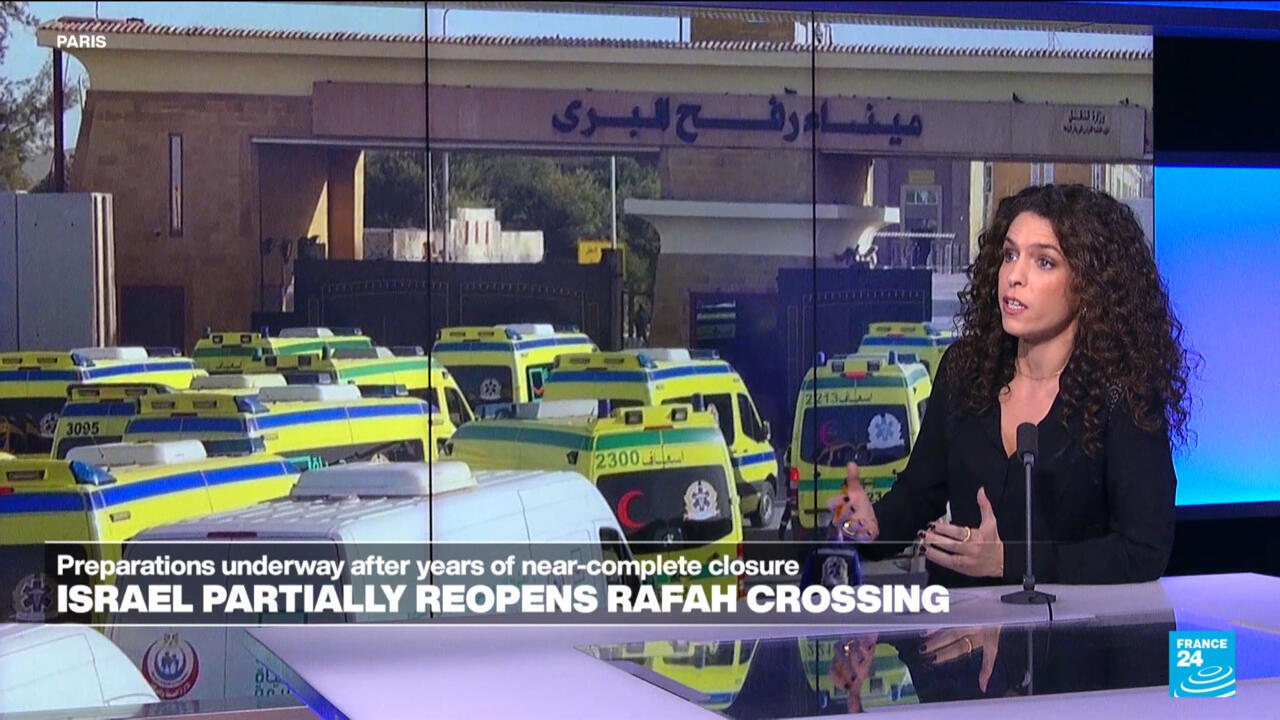
Israel Partially Reopens Rafah Crossing for Pedestrian Movement Amid Aid Crisis
Israel partially reopened the Rafah border crossing between Gaza and Egypt on Sunday, following sustained appeals from humanitarian organizations. The reopening is restricted to pedestrian movement, with no immediate confirmation of increased aid flow. COGAT, the Israeli defense body, indicated that movement of individuals is set to commence on Monday.
Iran Warns US Any Attack Will Trigger Regional War Amid Gulf Tensions
Iran's Supreme Leader Ayatollah Ali Khamenei stated that any military action by the United States against Tehran would escalate into a broader regional conflict. This warning comes as Washington increases its military presence in the Arabian Sea and surrounding waters. Diplomatic channels reportedly remain open regarding nuclear program discussions, despite deep distrust.

Trump Indicates Direct US-Iran Talks Underway to Prevent Military Escalation
US President Donald Trump stated that Washington and Tehran are engaged in serious discussions aimed at de-escalating regional tensions. This development follows a period of heightened military posturing in the Gulf region. The stated goal of these communications is reportedly to secure a comprehensive nuclear agreement.