Aviation and cruise shares surged Tuesday after Iranian state media reported President Masoud Pezeshkian expressed willingness to end regional hostilities. The development triggered a drop in oil prices, alleviating cost concerns for fuel-dependent carriers. Investors reacted positively to the prospect of reduced geopolitical risk in the Middle East. This shift marks a significant change from the volatility seen earlier in the month.
Market Reaction
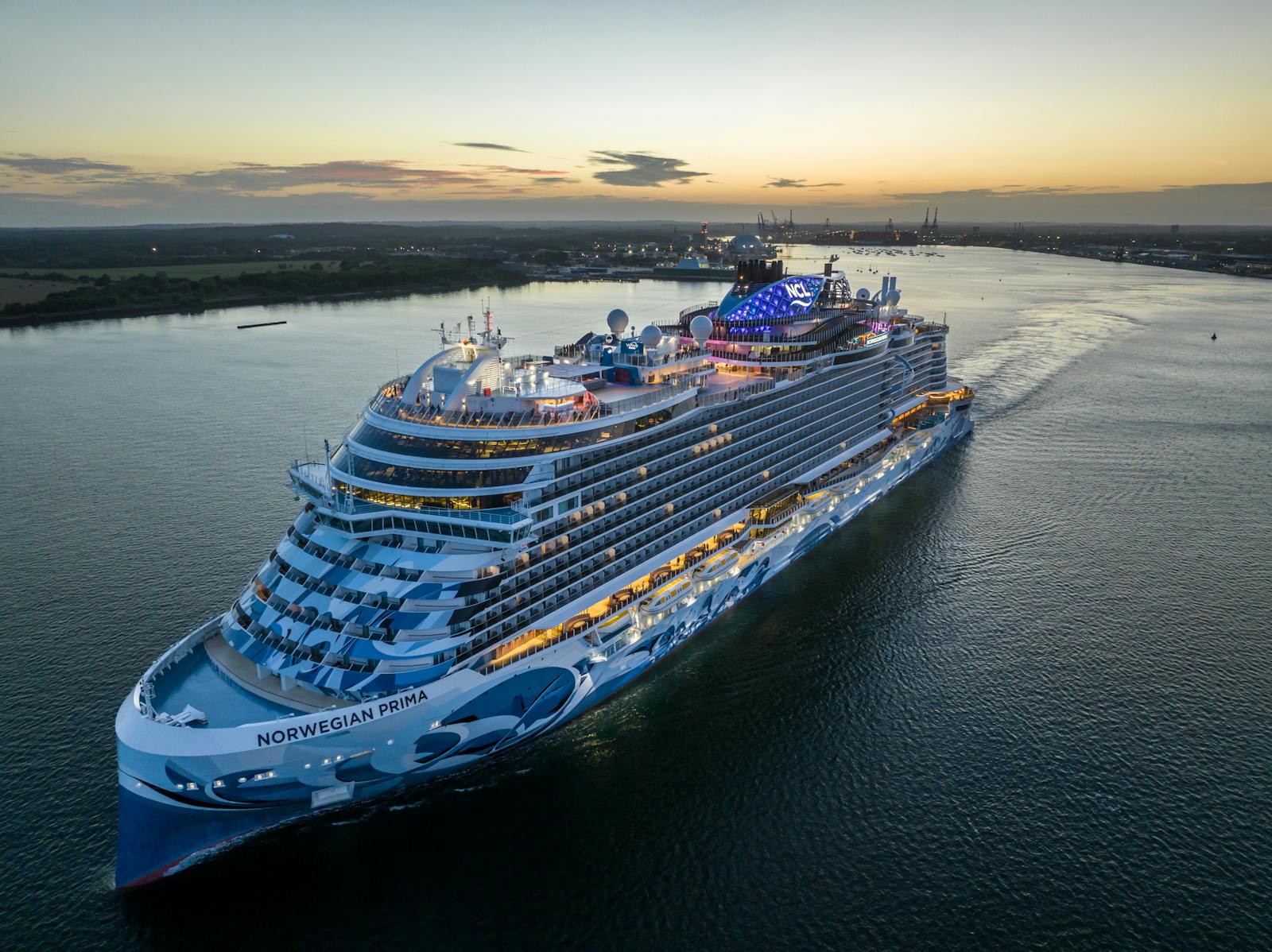
Shares of the big four US airlines climbed immediately following the news. Delta Air Lines, United Airlines, American Airlines, and Southwest Airlines all saw gains alongside smaller rivals including JetBlue. Cruise stocks also rallied significantly, with Carnival and Norwegian rising more than 6%. Royal Caribbean Group shares increased approximately 5% during the trading session. Wall Street analysts noted that the sector had been under pressure due to energy costs.
Fuel Costs and Hedging
The war has sent oil prices and refining margins surging this month. This volatility previously caused airlines and cruise lines to cut profit forecasts despite reported high demand. US airlines have stopped fuel hedging in recent years, increasing their exposure to upward swings in oil prices. Consequently, any reduction in crude prices directly benefits their bottom line. Without hedging contracts, carriers now rely entirely on spot market pricing.
"The country has the necessary will to end this war," Iranian President Masoud Pezeshkian reportedly said. He added that any resolution requires guarantees that prevent the recurrence of aggression. This statement came from Iranian state media outlets on Tuesday. Officials in Washington have not yet commented on the specific claims.
Geopolitical Context
Tensions between the United States and Iran have remained high throughout the year. Previous escalations in the region often led to immediate spikes in crude oil benchmarks. Investors now monitor whether diplomatic channels can sustain the current momentum. A lasting resolution would stabilize energy costs for the global economy. Regional security remains a primary concern for international shipping routes.
Future Outlook
Analysts suggest this market move depends on the verification of diplomatic commitments. If oil prices remain lower, carriers may revise earnings guidance upward for the fourth quarter. However, geopolitical instability often rebounds quickly without concrete agreements. Traders will watch for further official statements from Tehran and Washington. The aviation sector remains sensitive to any change in regional stability.
Economic Implications
Lower fuel costs could improve margins for the entire transportation industry. Shippers and logistics providers may also benefit from reduced freight rates. This development highlights the interconnectedness of Middle Eastern stability and global commerce. Markets will continue to price in risk premiums until clarity emerges.
Cruise Industry Impact
The cruise industry specifically relies on long-haul routes that traverse sensitive waters. Any disruption in the Strait of Hormuz would increase insurance premiums significantly. A de-escalation reduces these operational risks for major maritime players. Investors are now reassessing the risk profile of the leisure travel sector.