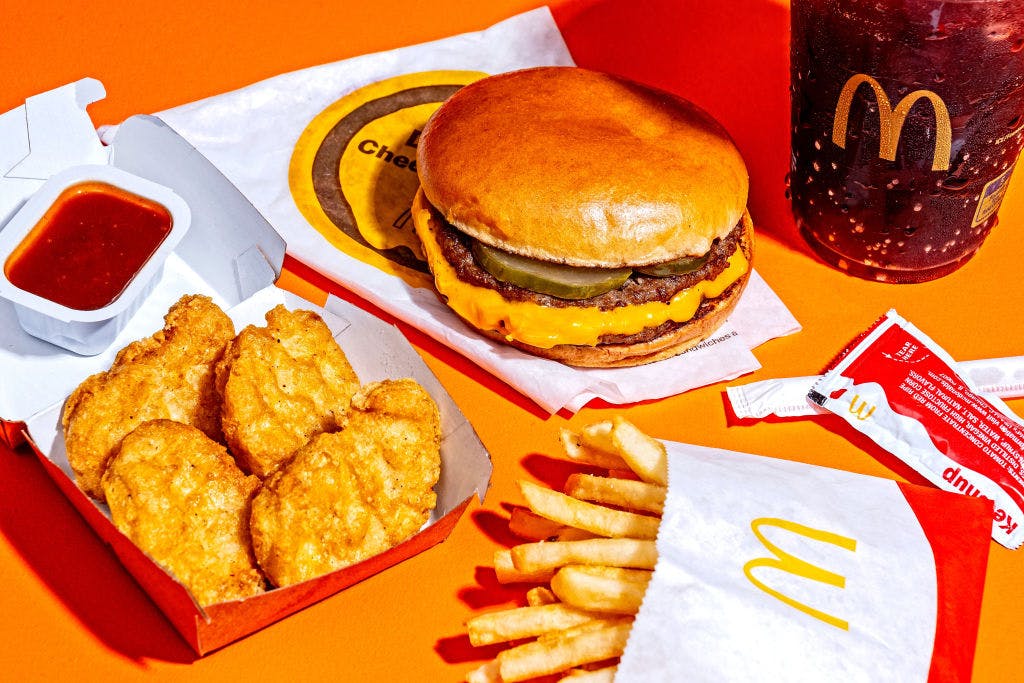
McDonald's announced plans to roll out new menu items priced at $3 or less alongside $4 breakfast meal deals nationwide starting in April. The move comes as the burger chain attempts to win back budget-conscious diners amid a broader shift in dining-out habits. According to The Wall Street Journal, the fast-food giant is reacting to data showing it has lost its traditional price advantage.
This initiative follows a series of promotions in recent years, including a $5 meal deal launched in 2024. The company previously relaunched its discount menu category last September in an effort to stabilize sales volume. Despite these efforts, customers have increasingly turned away from what was supposed to be the affordable option.
Shifting Consumer Sentiment
A 2024 survey by LendingTree found that 78% of US consumers viewed fast food as a luxury good. This sentiment is directly impacting how people allocate their dining-out budgets across different restaurant types. For decades, Americans spent a larger share of their dining budgets at full-service establishments than at limited-service chains.
That dominance flipped during the pandemic when indoor dining closed and drive-thrus became the primary option. In 2020, limited-service restaurants captured about 38% of all spending on food away from home. However, as dining rooms reopened and prices surged, full-service restaurants regained their competitive edge.
Market Dynamics
USDA data indicates that in 2024, full-service restaurants accounted for 36.3% of total dining-out spending. This figure slightly ahead of the 36.2% share held by limited-service restaurants for the same period. Data from Placer.ai suggests this trend has continued since the beginning of the year.
Competition is intensifying as sit-down chains target the core fast-food customer base with aggressive marketing. Brands like Chili's and Applebee's have doubled down on combo meals and bundled deals to attract price-sensitive diners. The CEO of Chili's stated that its Better than Fast Food campaign helped gain market share among low-income households.
Industry Implications
The shift highlights the vulnerability of value dining models when inflation erodes perceived affordability for the average household. Full-service chains are proving that they can compete on price while offering a higher perceived value proposition. McDonald's must demonstrate whether its new pricing strategy can reverse the momentum before competitors expand further.
Investors and industry analysts will closely watch foot traffic data and comparable sales in the coming quarters. The success of these $3 menu items could signal a broader trend in how major food service providers manage pricing in a high-cost environment.