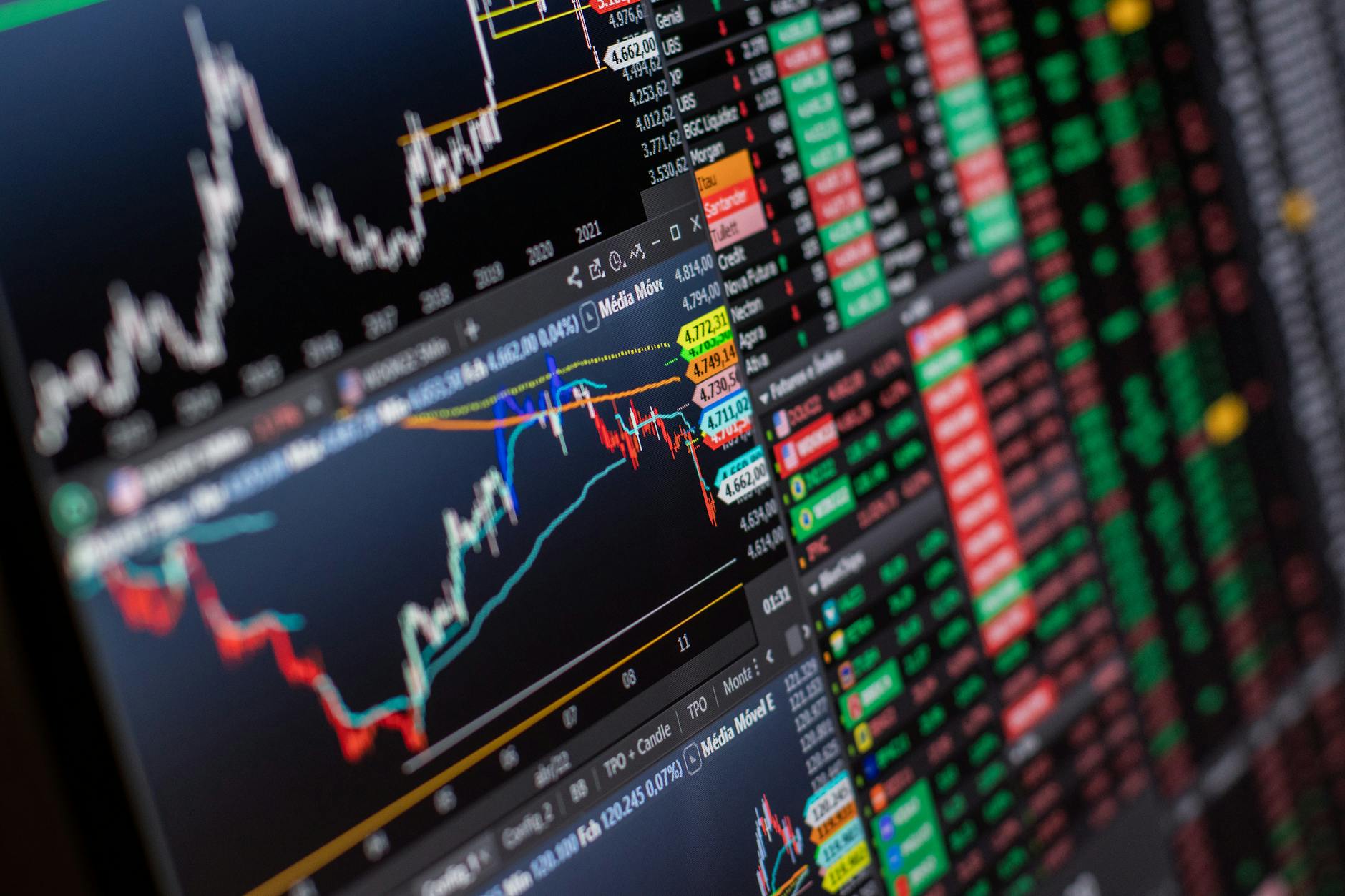
Global stock markets surged on Monday following the announcement of a temporary ceasefire in the Middle East. The news sparked immediate optimism, as the reopening of the Strait of Hormuz signaled a reduction in risks to the global energy supply.
Asian markets led the initial wave, with the Nikkei climbing 5.4% and the Kospi rising 6.87%. European exchanges followed suit, posting gains exceeding 4% across multiple major trading hubs. Wall Street opened with similar momentum, as the Dow Jones rose 2.92%, the Nasdaq gained 3.54%, and the S&P 500 climbed 2.57%.
Analysts at Monex noted that the rally reflects a global appetite for risk now that the immediate threat of a supply-side energy shock has receded. "The markets are registering a solid rebound globally, driven by the optimism generated after the announcement of a temporary ceasefire," the firm stated in a briefing.
Mexican markets mirror global recovery
The positive sentiment reached Mexico, where the S&P/BMV IPC index climbed 2.7% in early trading, surpassing the 70,385-point mark. The Mexican peso also strengthened significantly against the dollar, trading at 17.43 in opening sessions.
Monex attributed the currency's performance to a broader shift in capital flows toward emerging market assets. As the dollar index (DXY) hit a four-week low, the peso emerged as one of the best-performing currencies in the region, benefiting from the reduced demand for safe-haven assets.
The decline in oil prices is already reconfiguring macroeconomic outlooks. With crude prices retreating from the $120-per-barrel levels seen in recent weeks, central banks face less immediate pressure to maintain high interest rates to combat inflation.
Investment experts at UBS pointed out that oil prices remaining below the $100 threshold provide the global economy with a necessary buffer. According to their daily analysis, this cooling of energy prices "leaves the economy more room before negative effects intensify" and helps anchor inflation expectations.
Despite the current optimism, firms like UBS warn that the relief may be partial. They note that the normalization of energy flows will take time and that the risk of a re-escalation in the conflict persists. However, they concluded that a more moderate pricing environment should allow markets to refocus on the possibility of interest rate cuts later this year.