China's economy is showing resilience against the global energy crisis triggered by the war between the US, Israel, and Iran, according to a report by France 24.
While the conflict has sent shockwaves through the global economy and created the largest energy crisis in decades, Beijing appears insulated from the worst of the fallout.
Leah Fahy, a senior economist in the China team at Capital Economics, told France 24 that China's diverse energy mix has cushioned the effects of the global shock.
"Even for China, a big spike in energy and oil prices is a bad thing, and it's going to have some negative impact domestically," Fahy said.
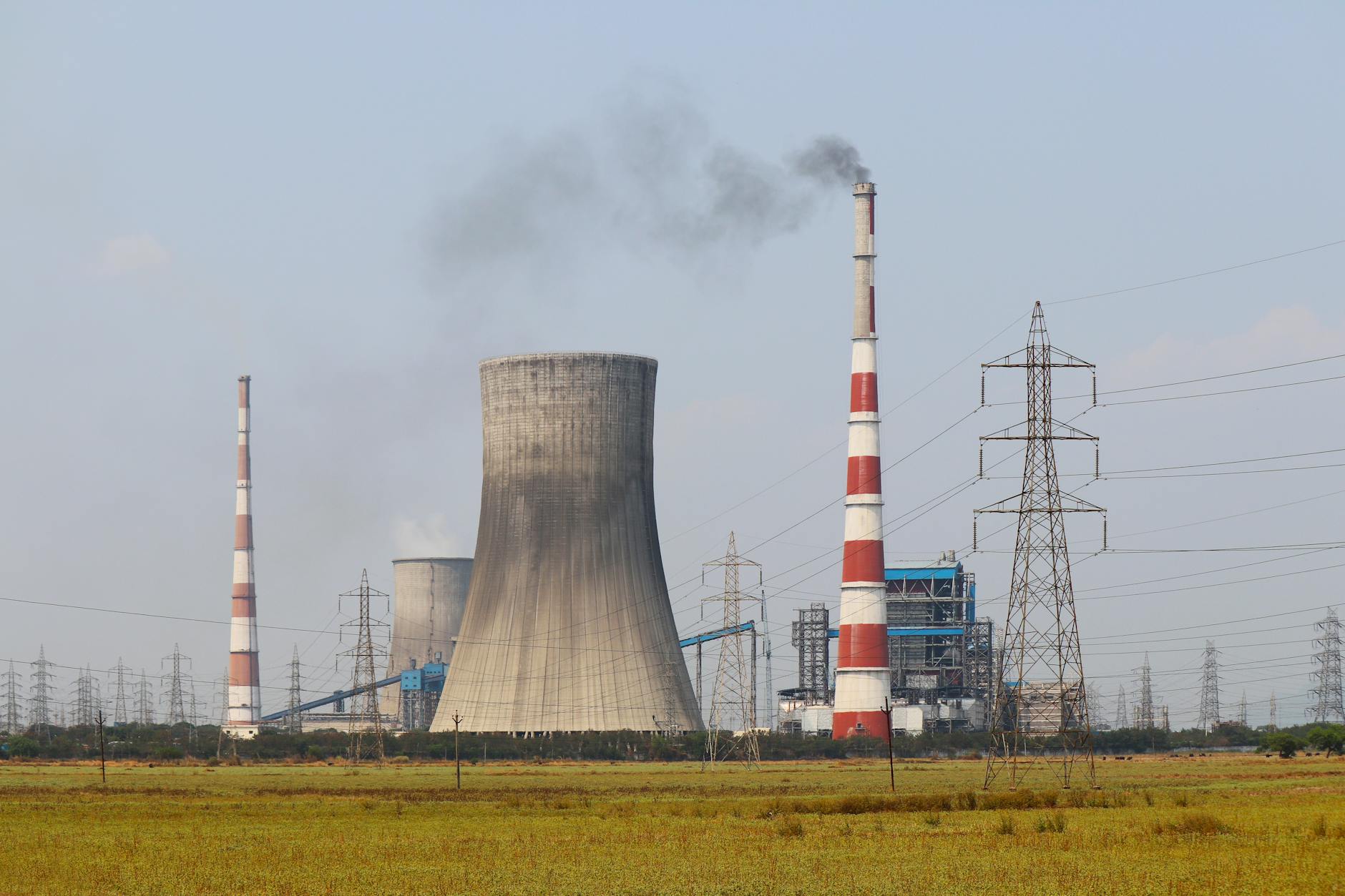
However, she noted that China's economy is much less dependent on oil and natural gas than other nations. About 60 percent of the country's energy comes from coal, supplemented by a rapidly expanding renewable energy infrastructure.
"So when you place China in the context of other countries, it's seeing a much smaller shock to energy prices than everywhere else in the world," Fahy added.
Green tech export boost
The current energy crisis is also highlighting China's dominance in clean energy technology production.
Fahy expects a global surge in demand for green technologies, which could provide a significant upside for Chinese exports.
Capital Economics estimates that the rise in global demand for electric vehicles alone could add approximately 1 percentage point to China's export growth this year.
Beyond energy, the shifting foreign and trade policies of the Trump administration are creating new opportunities for Beijing.
Fahy observed that the Chinese leadership, including Xi Jinping, is attempting to occupy an elevated global role as an arbiter, negotiator, and defender of global free trade.