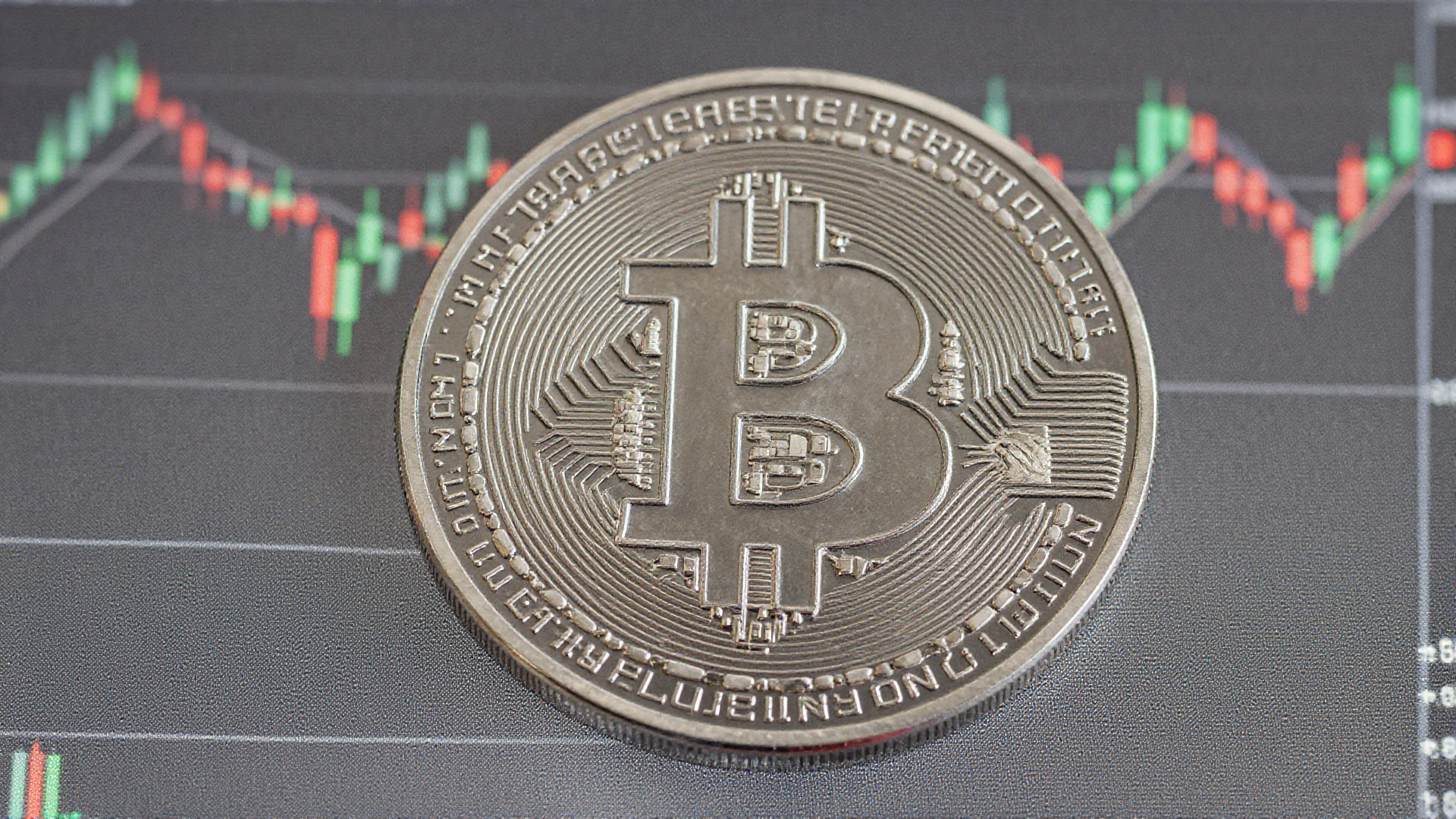
Digital asset markets recovered on Tuesday morning despite widening geopolitical tensions in the Middle East. Bitcoin climbed above $70,000 while traditional equity futures fell as reports emerged of Gulf allies joining the conflict against Iran. This divergence highlights a growing disconnect between cryptocurrency behavior and conventional safe-haven flows during periods of instability.
The leading cryptocurrency gained three point one % to reach $70,352 after dropping below $68,000 over the weekend. Ether, Solana, Dogecoin and XRP also posted gains between two % and four % during the same session. Major digital assets remain sharply lower over the past week despite this temporary rebound in value.
The Wall Street Journal reported that Saudi Arabia agreed to grant the US military access to King Fahd Air Base. This decision reverses an earlier position stating bases could not be used to attack Iran. The United Arab Emirates has taken similar steps to allow American forces to operate from their territory.
Traditional markets responded immediately to the news of a broader regional coalition forming against Tehran. Brent crude jumped four % to approximately $104 per barrel on the fear of supply disruption. S&P 500 futures fell zero point five % while European shares were set to drop zero point eight % at the open.
Gold suffered a one point five % decline, extending what is now its longest daily losing streak on record. A safe-haven asset falling during an active and widening war breaks every historical precedent. Analysts suggest forced selling by funds facing margin calls across other positions explains the anomaly.
Bitcoin is holding $70,000 on a Tuesday morning where almost every other major asset class is deteriorating. The token that is supposed to be the volatile one is holding a range while the one that is supposed to be steady is in freefall. This behavior makes the relative stability of the digital currency even more notable for investors.
A five-day window given by the Trump administration to Iran expires this Saturday. Saudi Arabia joining the conflict changes the calculus entirely for the duration of the hostilities. Oil infrastructure on both sides of the Gulf remains at significant risk of direct targeting.
Market observers note that ongoing war dynamics have led to sharp spikes in US Treasury yields. Some analysts argue a 10-year yield above five % could spark a mini-financial crisis that forces intervention. Trump administration officials could be pressured to temper the war if swap spreads exceed 60 basis points.
Bitcoin may slide initially only to recover on potential Federal Reserve or government intervention. The situation depends heavily on whether yields force the administration to moderate the conflict. If yields surge beyond critical thresholds, the resulting market volatility could drive further capital allocation into alternative stores of value.
Whether cryptocurrency resilience is genuine or merely the market waiting for the next headline remains the central question. The rest of the week will answer if this stability holds as the regional conflict intensifies. Investors will watch Treasury yields closely for signs of broader financial stress.