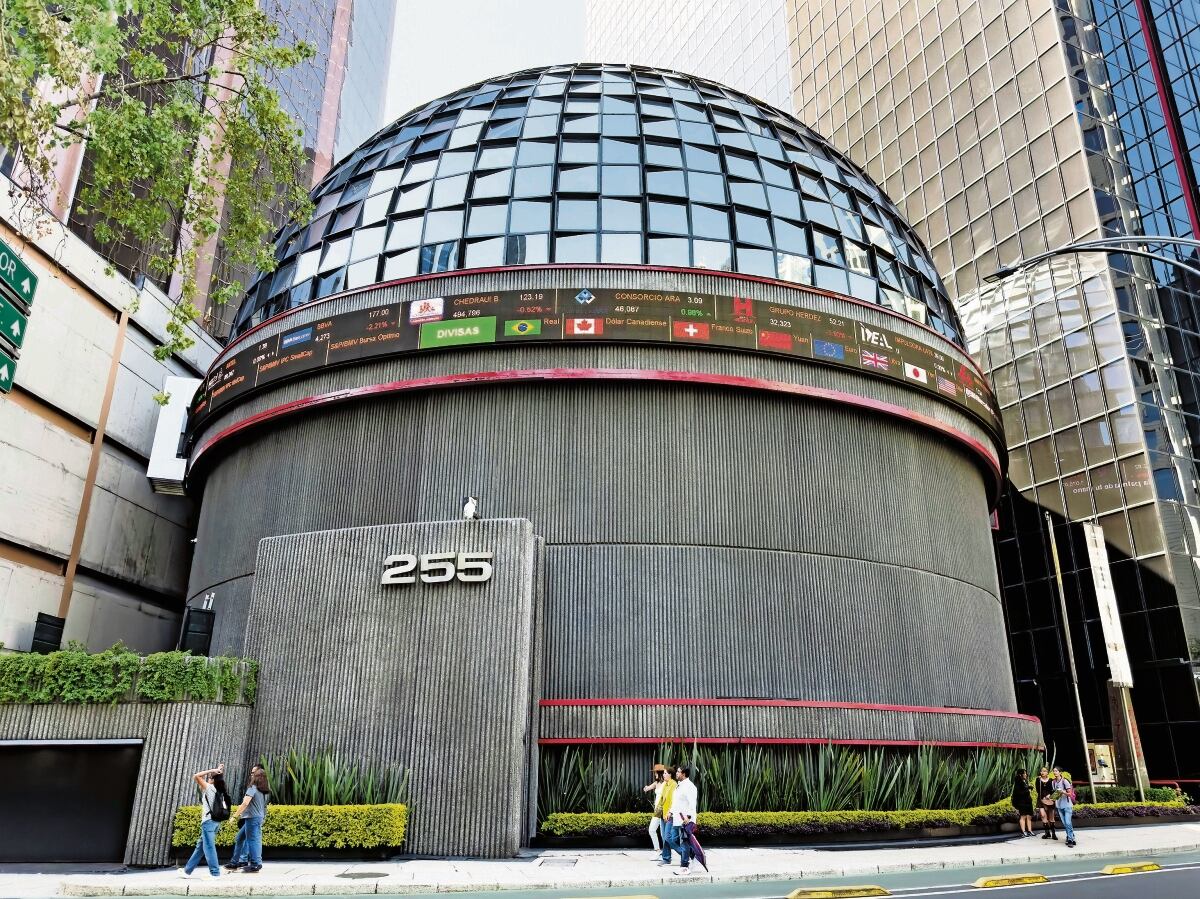
Mexico City — The Bank of Mexico intends to unify digital payment systems for street vendors and informal markets nationwide. Othón Moreno González confirmed the initiative aims to allow mobile transfers across any banking application regardless of institution. This move seeks to remove friction for citizens paying for goods in informal sectors like local tianguis. The strategy represents a significant shift in how the nation handles currency exchange. Officials believe this will increase financial inclusion across diverse economic sectors.
The central bank official detailed the operational process during a recent interview with El Universal. He stated that all payment platforms will speak the same language during every transaction. This standardization applies to purchases ranging from market goods to sales made via social media networks. The goal is to ensure interoperability between different financial institutions and applications. Such uniformity is essential for a modernizing economy seeking digital efficiency.
Victoria Rodríguez Ceja, the governor of Banxico, announced the project at the 89th Banking Convention inauguration. A public consultation period for the banking sector remains open until April 20 to gather feedback. Officials expect the changes to accommodate billions of annual operations across the national network. This timeline allows institutions to prepare their infrastructure for the upcoming shifts. Stakeholders will have the opportunity to review the technical specifications closely.
Currently, users face significant confusion between different digital wallets and varying transfer methods. Banxico plans to accept payments via standardized keys, phone numbers, or QR codes interchangeably. This flexibility reduces the learning curve for customers switching banks or accounts. Clear instructions will guide users through the new interface requirements effectively. The system aims to minimize errors during the transfer process significantly.
Data indicates that digital transfers have grown at an average rate of 30% annually since the pandemic. The system processed approximately 7.3 billion transactions in the most recent reporting period. Banxico predicts this growth will accelerate with the implementation of these new measures. Such volume highlights the necessity for a streamlined payment architecture in the economy. Continued expansion requires robust technical support and widespread adoption rates.
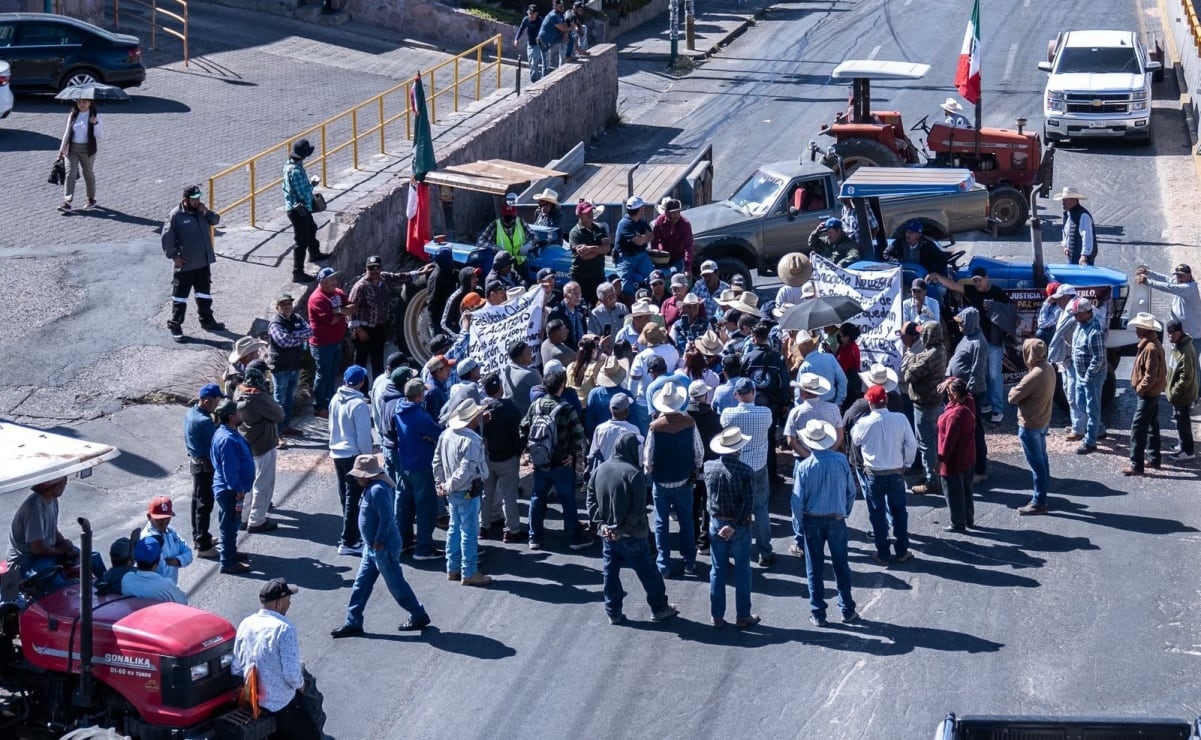
The initiative specifically targets the informal economy where vendors often display CLABE numbers on cardboard. Simplifying this process would eliminate the need for manual entry of long account codes by customers. Merchants in tianguis markets would benefit from faster settlement times and reduced errors. This supports the broader goal of financial inclusion for unbanked populations. Informal traders often lack access to formal banking infrastructure currently.
Older populations accustomed to branch windows may also find digital tools easier to use with this update. Banxico aims to reduce reliance on physical tellers for basic transfers and daily transactions. Officials anticipate expansion to department stores and convenience shops within the next two years. These sectors require reliable digital infrastructure to support modern commerce. Accessibility features will be prioritized to assist users with limited tech experience.
Although CoDi and DiMo systems operate independently behind the scenes, the user interface will merge. Customers will choose their preferred method without knowing the backend processing details involved. This approach aligns with global trends in channel convergence for financial services. Seamless integration ensures efficiency without compromising the underlying security architecture. Banks will continue to process transactions through their existing internal networks.
Implementation involves five specific steps from instruction to payment confirmation for the user. Security protocols remain a priority during the transition to mobile payments for all users. Users must maintain strong authentication methods to prevent unauthorized access to funds. Banxico officials emphasize that digital hygiene protects against public security threats effectively. The central bank will monitor adoption rates to ensure system stability.