Stablecoin balances on South Korea’s top five crypto exchanges dropped sharply in mid-March 2026. On-chain data indicates a 55% decline driven by currency fluctuations and a rotation into domestic stocks. This shift marks a significant change in where retail capital is flowing within the region. The move signals a strategic exit from dollar-denominated digital assets in favor of local investments.
On-chain records from Allium Labs show holdings fell from $575 million in July 2025 to roughly $188 million. The data tracks Ethereum and Tron wallets across Upbit, Bithumb, Coinone, Korbit, and GOPAX. Combined balances plunged as the won slid to 16-year lows against the dollar. This data highlights the substantial scale of the liquidity withdrawal from these major platforms globally.
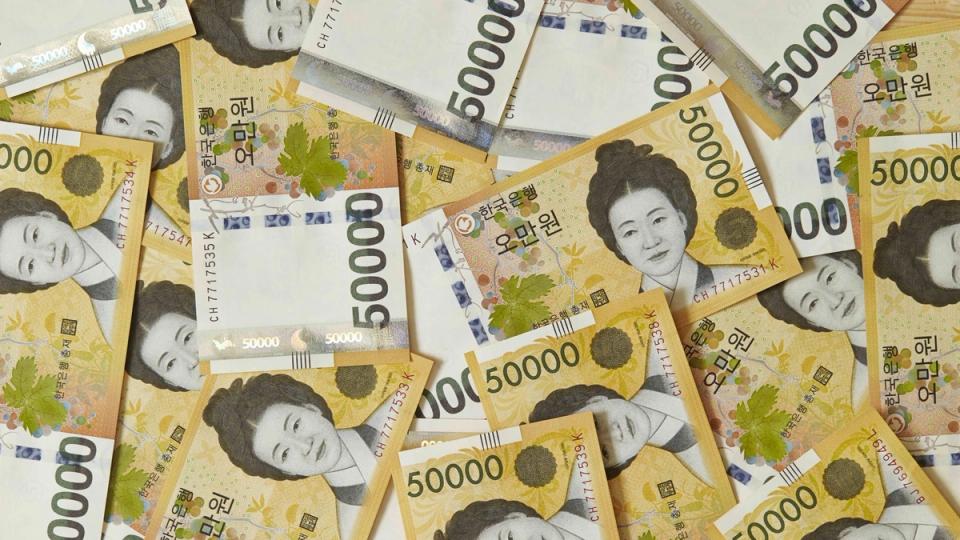
The decline accelerated after the Korean won breached 1,500 per dollar in mid-March. This threshold has not been seen since the 2008 financial crisis. Traders reportedly sold tether at elevated USD/KRW levels to mitigate currency risk. The weaker currency amplified the incentive to exit dollar-denominated holdings. This specific level acted as a psychological trigger for mass conversions.
Bradley Park, founder of DNTV Research, explained the mechanism behind the movement. He stated that the weaker currency amplified the incentive to exit dollar-denominated holdings. Traders converted assets into won and redeployed them into domestic equities. This suggests active capital management rather than passive holding. Market participants are prioritizing currency stability over crypto exposure.
This outflow represents the latest phase of a broader migration from crypto into stocks. CoinDesk first documented this rotation in November 2025. The earlier shift was driven largely by narrative while traders chased AI-linked chipmakers. The current drawdown appears tied to a specific FX trigger rather than a change in risk appetite. Distinct drivers are moving capital between asset classes in the global economy.
The South Korean government has intensified efforts to attract capital into domestic markets. New policies include repatriation accounts offering up to 100% capital gains tax exemptions for investors who sell overseas assets. These measures aim to encourage reinvestment locally and stabilize the currency. Tax incentives are a key factor in this capital redirection strategy.
Brokerage data confirms active deployment into equities following the currency move. Investor deposits fell from roughly 131 trillion won in early March to around 112 trillion won. These figures indicate capital was being actively moved into the stock market. Deposits have since begun to stabilize, suggesting fresh inflows are replenishing the pool of buying power. Liquidity is moving from crypto wallets to brokerage accounts.
The KOSPI index has gained 37% this year after rising 75% in 2025. It remains the world’s best-performing major index despite global volatility. The rally is highly concentrated within Samsung Electronics and SK Hynix. These firms account for roughly half of market capitalization and more than 50% of projected profits. Such concentration creates potential volatility if sector performance wavers significantly.
These semiconductor giants position themselves as the primary destination for both retail and institutional flows. Broader stablecoin transaction volumes across Asia have actually ticked up over the last year. This suggests the drawdown on Korean exchanges reflects domestic capital rotation rather than a region-wide pullback. Regional data contradicts the idea of a global crypto winter.
For crypto markets, the shift underscores the loss of one of their most important liquidity pools. Korean participation has historically amplified market cycles and data shows capital is not sitting idle. Whether flows return may depend on the sustainability of Korea’s equity rally. A sharp correction, particularly in a market so concentrated in semiconductor stocks, could quickly force capital to rotate again. External factors like oil transits and geopolitical tensions also influence this stability.