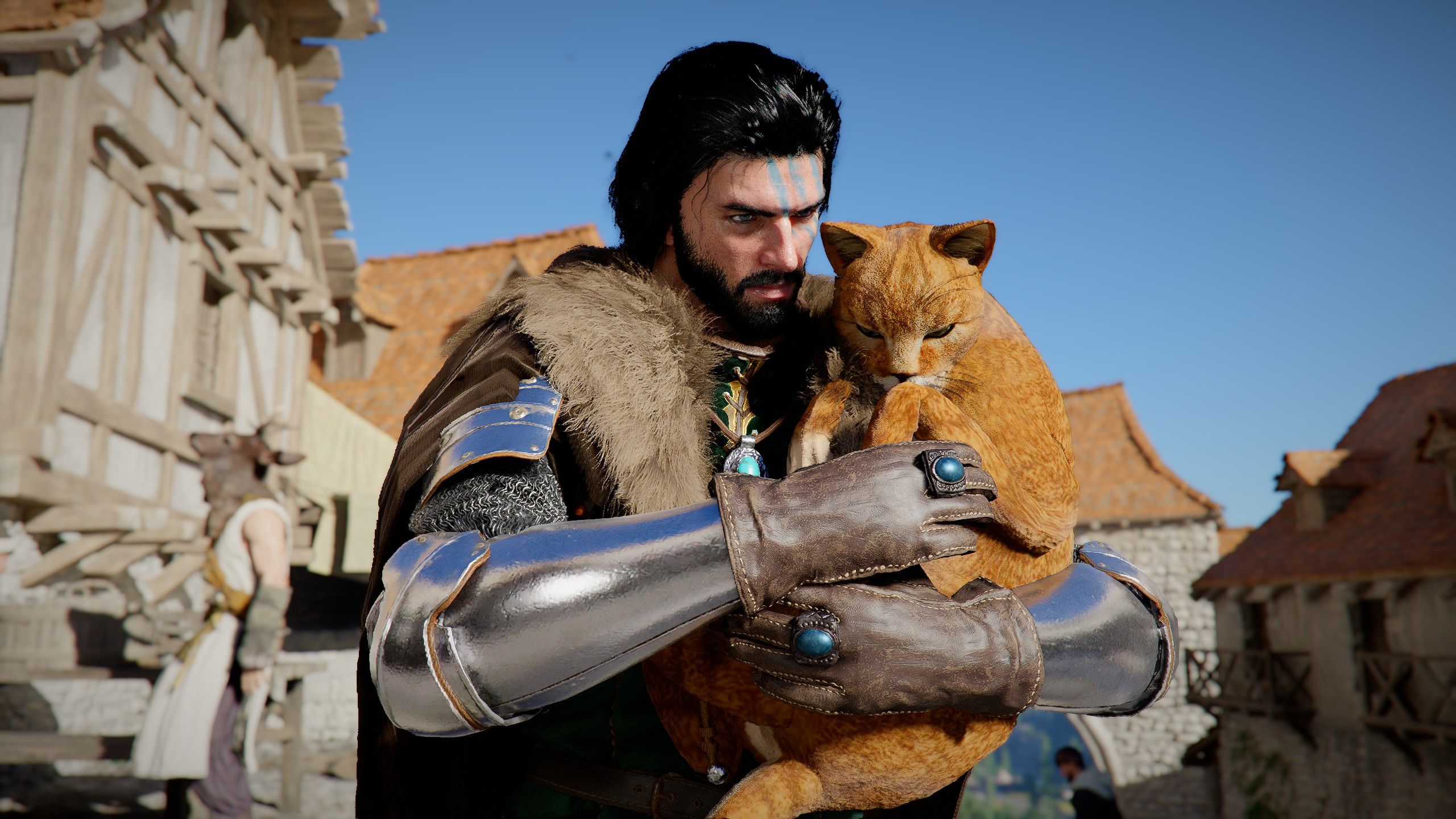
Pearl Abyss released a formal statement on Thursday admitting that artificial intelligence generated assets appear in the recently launched action role-playing game Crimson Desert. Community members identified the controversial images shortly after the title became available on major digital storefronts and gaming platforms. The developer acknowledged the oversight and apologized for the lack of transparency regarding their internal production pipeline. This admission follows weeks of speculation and user reports regarding the game's visual content.
According to the company, some 2D visual props were created using experimental generative tools during early-stage iteration phases. These assets reportedly helped the team rapidly explore tone and atmosphere in the earlier stages of production. The statement clarified that the intention always involved replacing these placeholders with hand-crafted work aligned with creative direction. Unfortunately, the final review process failed to catch these specific instances before the game shipped.
Reports from the community alerted the team to assets that did not align with internal quality standards or final review expectations. Pearl Abyss stated that the final work and review by art teams were supposed to remove the generative content before launch. However, the failure to replace these elements resulted in public scrutiny and negative feedback from the player base. Several users on Reddit pointed out the discrepancies in the texture details and lighting effects.
"We should have clearly disclosed our use of AI," Pearl Abyss wrote in a post on the social media platform X. The statement emphasized that while tools were primarily used during early production, the lack of disclosure was a significant error. The developer recognized that the expectation of replacement prior to release does not excuse the omission of information from stakeholders. They committed to a more rigorous review process moving forward to prevent recurrence.
This situation mirrors recent controversies involving Ubisoft and Sandfall Interactive with their respective titles Anno and Clair Obscur. Both developers faced similar accusations when players spotted AI-generated art within the final product of their games. Industry reports indicate that developers in these instances offered comparable explanations regarding placeholder assets and tone exploration. The pattern suggests a systemic issue regarding how generative tools are integrated into modern game development pipelines.
Contrastingly, Larian Studios has defended against generative AI in early concepts and subsequently sworn off its use in their development workflow. The studio represents a growing faction within the industry demanding proper disclosure wherever AI may be in use during production cycles. Community sentiment indicates a clear hunger for accountability regarding automated content creation in commercial releases. This divergence in policy highlights the lack of unified standards for AI usage across the entertainment sector.
The team is currently conducting a comprehensive audit of all in-game assets to identify further instances of unauthorized content distribution. The plan is to replace any confirmed AI art in upcoming patches scheduled for release in the coming months. This process aims to restore player confidence in the game's artistic integrity and development standards. Pearl Abyss confirmed that they will prioritize visual quality over speed in future iterations.
The incident highlights ongoing tensions between efficiency in development pipelines and consumer expectations for authenticity in final products. Players increasingly expect transparency about tools used to generate final deliverables in commercial interactive entertainment. Trust remains fragile when studios utilize black-box technologies without prior warning or explicit consent from the audience. This friction often leads to reduced engagement from core gaming communities.
Industry observers will watch how Pearl Abyss handles the audit results and subsequent patches regarding the disputed assets. Future announcements regarding asset replacement timelines will likely influence the game's reception and sales performance. The outcome may set a precedent for how other studios manage AI integration in large scale live service titles moving forward. Careful management of this transition will be crucial for long-term reputation.
Broader implications suggest that regulatory frameworks or industry standards may eventually mandate disclosure of generative tools in game assets. Developers must balance innovation with ethical considerations when deploying AI in creative workflows without compromising artistic vision. The gaming sector continues to navigate these uncharted waters as technology evolves rapidly and consumer demands shift. Without clear guidelines, studios risk alienating audiences who value human creativity over algorithmic generation.