A federal judge ordered the reinstatement of Unknown Worlds Entertainment leadership following a failed attempt to void a $250 million payment clause. Krafton CEO Changhan Kim reportedly consulted an artificial intelligence chatbot to devise a strategy for terminating the developer. The court ruling highlights the significant risks of relying on generative AI for high-stakes legal decisions within the technology sector. Legal experts warn that such reliance can lead to severe financial penalties and reputational damage. This case signals a turning point for corporate governance protocols.
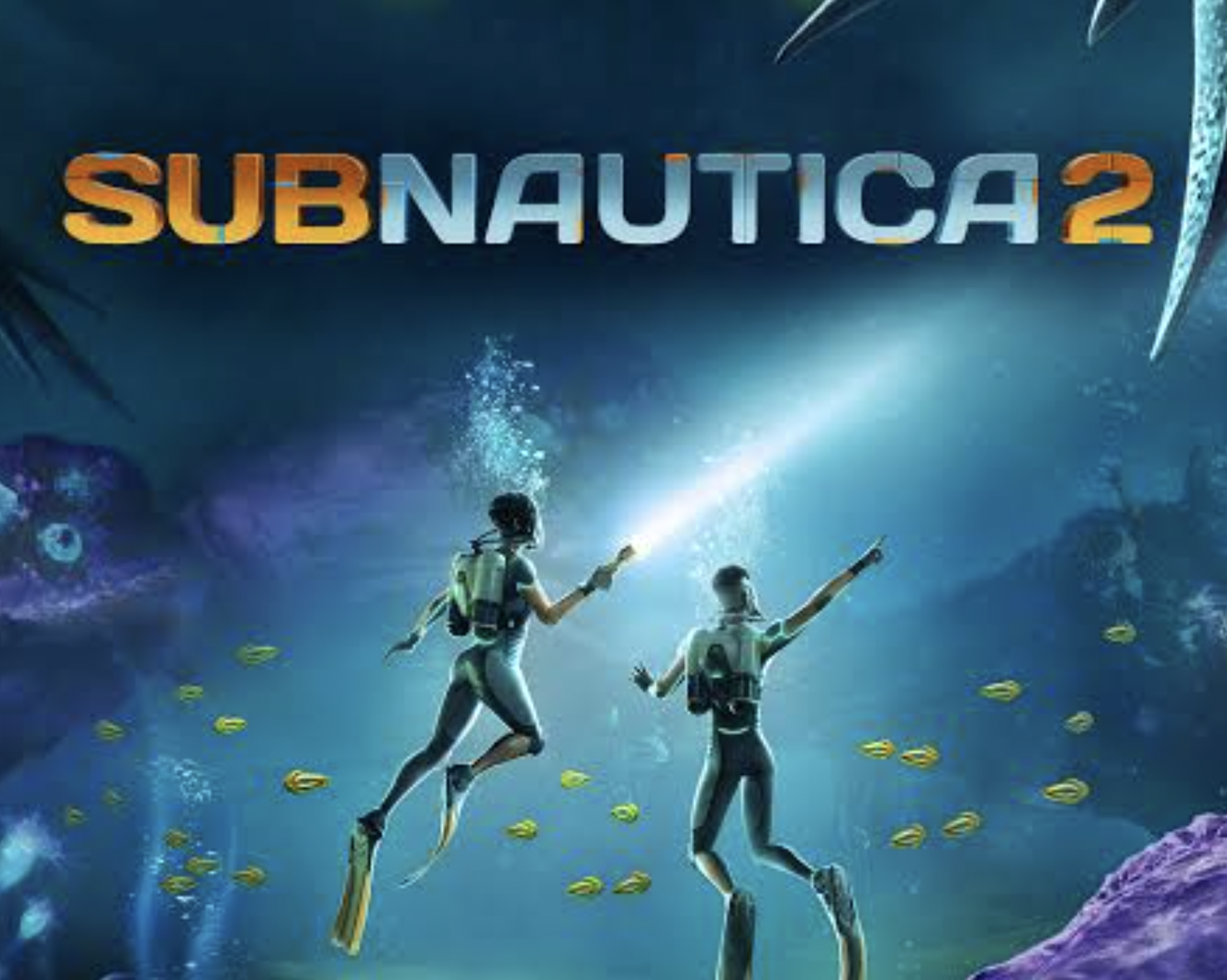
Court documents reveal that Kim ignored advice from human legal counsel during the entire internal process. He sought a method to acquire the studio and force out its founder to avoid paying the additional bonus. This decision came as the publisher faced potential liability for the upcoming sequel Subnautica 2. The strategy involved complex corporate maneuvers that the CEO attempted to automate using software. Executives must understand the legal implications of automated tools.
South Korean publisher Krafton acquired Unknown Worlds Entertainment in 2021 for $500 million. The deal included a contingent payment of $250 million if the upcoming game achieved specific sales targets. Internal projections suggested the title would likely meet these financial milestones given the success of the original underwater survival game. The financial stakes were high enough to prompt unusual executive actions by the top leadership. The original game garnered critical acclaim and a dedicated global fanbase.
Fearing the agreement was too favorable to the developer, Kim turned to an AI tool for assistance. The court decision noted he asked the chatbot how to contrive a corporate takeover strategy. This interaction formed the basis of the legal dispute regarding the termination of the founding team. The AI generated a plan that the court found legally insufficient and risky.
A judge rejected the arguments constructed through this automated process in a Monday ruling. The court ordered the reinstatement of the developer who was previously fired as part of the scheme. The ruling details the bizarre narrative of corporate strategy generated by software rather than human analysis. The judge emphasized the importance of sound legal reasoning over algorithmic suggestions. The legal team had advised against such an unconventional approach.
According to the court decision, the parties relationship fractured as Unknown Worlds prepared for the sequel release. The judge noted the CEO consulted an AI chatbot to contrive a corporate takeover strategy. This specific use of technology became central to the legal proceedings and the final verdict. The court found the AI strategy lacked necessary legal grounding and ethical consideration.
This case represents one of the first public instances where AI output directly influenced corporate litigation outcomes. It underscores the limitations of relying on algorithms for complex legal and ethical decisions. Human oversight remains critical in executive decision-making processes across all major industries. Future regulations may address the liability of using AI for business strategy and contract negotiation. Governance frameworks must adapt to accommodate these technological advancements.
Krafton must now comply with the reinstatement order and potentially pay the outstanding bonus. The situation serves as a cautionary tale for other executives considering similar shortcuts. Industry observers will watch how these liability rulings evolve in the coming months. The outcome could influence how tech companies integrate AI into governance structures. Compliance costs may rise as a result of the court's decision.