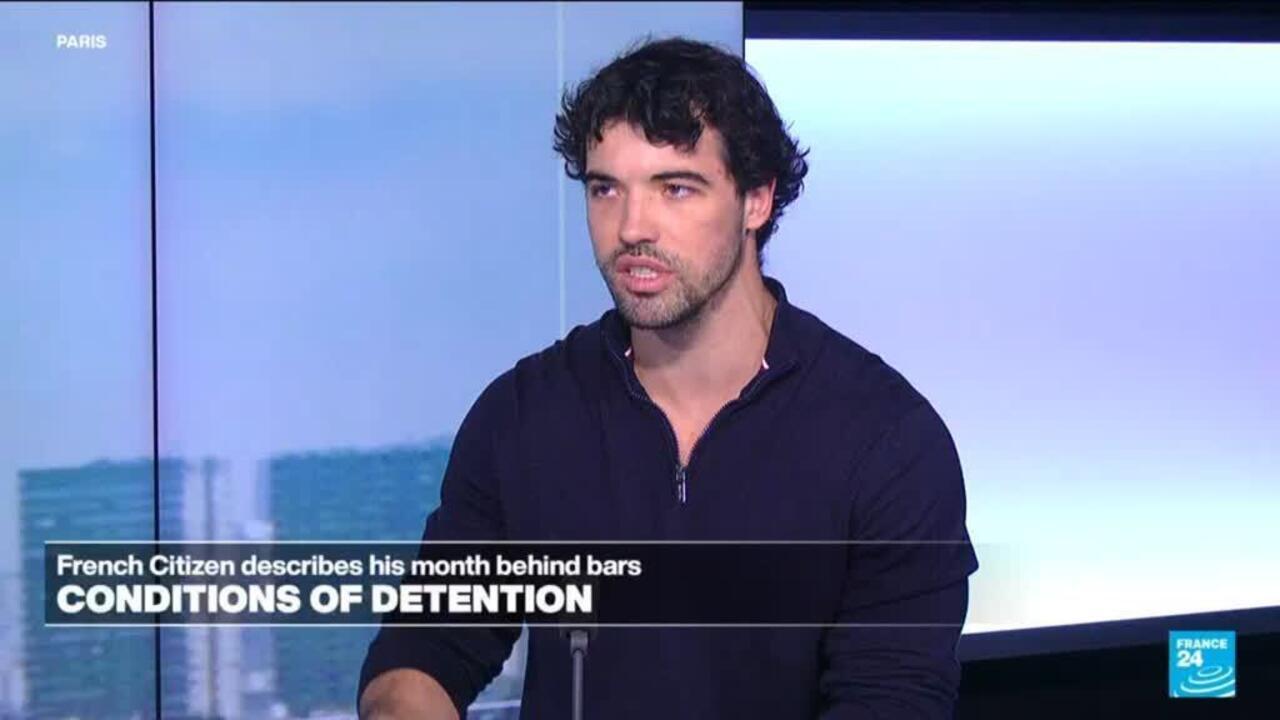
Julien Pereira, a twenty-six-year-old French citizen, detailed his experience following a month of detention by U.S. Immigration and Customs Enforcement (ICE) in 2025. Speaking to the international news outlet FRANCE 24, Pereira elaborated on the circumstances surrounding his apprehension and the conditions within the facility where he was held.
The core of Pereira's account focused on the logistical and human factors within the detention center, providing a firsthand perspective on the operational realities of U.S. immigration enforcement infrastructure. Such testimonials often influence the broader international dialogue concerning human rights standards in custodial settings.
Pereira reportedly discussed the specific reasons cited for his arrest, though specifics regarding his immigration status or potential deportation proceedings were not fully detailed in the reporting summary. These details are crucial for understanding the scope of enforcement actions targeting foreign nationals within the United States.
His commentary also extended to his current assessment of the broader situation concerning immigration enforcement in the U.S. following his release. These observations contribute to the complex political narrative surrounding border control and internal enforcement strategies.
Reports detailing conditions within ICE facilities frequently draw attention from international bodies and diplomatic missions concerned with citizen welfare abroad. This case adds to a growing dossier of personal accounts informing policy debates in Washington and European capitals.
The narrative highlights the intersection of national security policy and individual liberty, a persistent geopolitical friction point for nations maintaining complex immigration systems. The lack of transparency surrounding some detention centers often amplifies the significance of personal testimonies like Pereira's.
Moving forward, this public disclosure by Pereira may prompt inquiries from French diplomatic representatives seeking assurances regarding the treatment of their citizens detained abroad. Continued media focus on these conditions often pressures agencies to review and potentially adjust operational protocols.