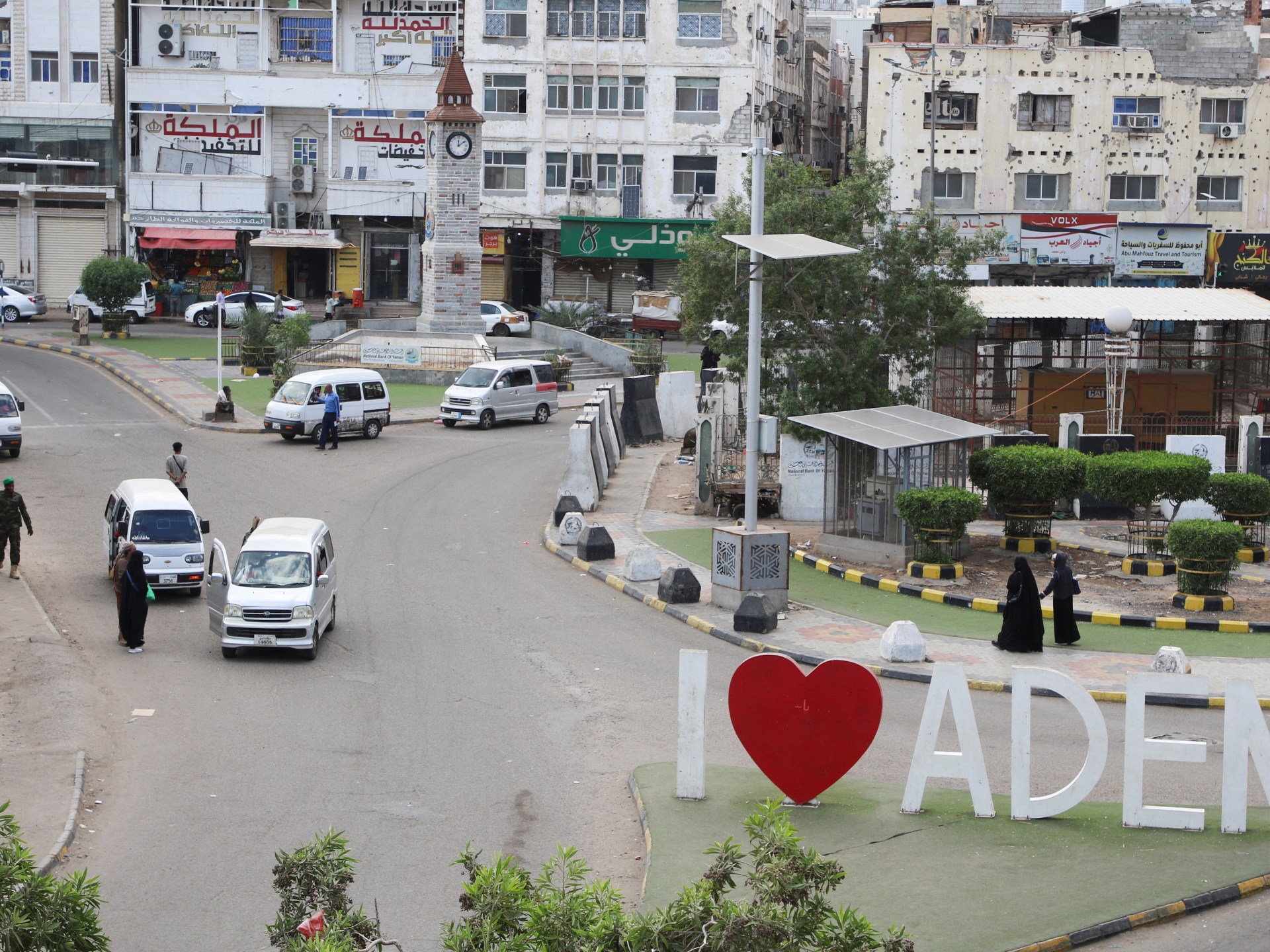
The lights have returned to Aden, the key southern Yemeni port city, marking a significant, if seemingly mundane, indicator of shifting power dynamics after months of internal conflict. This restoration of near-continuous electricity, reportedly fueled by a multimillion-dollar Saudi Arabian grant, suggests the UN-recognized government is successfully re-establishing its operational presence in the region. The city entered this delicate phase in early January after a Saudi-backed offensive pushed back the secessionist Southern Transitional Council (STC).
Independent journalist Badea Sultan reported that power supply in Aden has largely stabilized, providing residents with approximately 20 hours of service daily, a substantial improvement from just two months prior. While the government's presence is credited, Sultan also highlighted the critical role of Falah al-Shahrani, an advisor from the Coalition to Support Legitimacy in Yemen, in managing sensitive post-conflict security and military repositioning.
This recent consolidation follows heightened tensions in late December between Saudi Arabia and the United Arab Emirates over strategic control in Yemen, prompting Riyadh to act against the UAE-backed STC. The UAE announced its withdrawal from Yemen shortly thereafter, marking a strategic realignment among the primary external actors supporting the conflict. Saudi Foreign Minister Faisal bin Farhan suggested Riyadh would assume full responsibility should the UAE fully disengage from the Yemeni file.
Despite signs of recovery, political aspirations for secession remain strong among many southern residents who feel disenfranchised since the unification of Yemen in 1990. Saleh Qasim, a resident, expressed deep frustration that the dream of an independent South Yemen, previously bolstered by Emirati support, has been temporarily shattered by the recent Saudi-backed counterattack.
Political analysts caution that the stabilization is fragile, identifying several immediate challenges for the incoming Presidential Leadership Council (PLC) cabinet. Analyst Sadam al-Huraibi warned of potential politically motivated bombings and planned riots designed to destabilize the fragile calm. The return of the cabinet to Aden, once finalized in Riyadh, will test the government’s capacity to govern amidst these security threats.
Furthermore, analysts suggest the UAE may maintain covert influence, despite its official withdrawal announcement, potentially coordinating with remaining separatist elements to undermine Saudi and government authority. The government’s success in Aden is viewed as crucial, providing a necessary foundation before shifting operational focus toward confronting Houthi forces in the north.