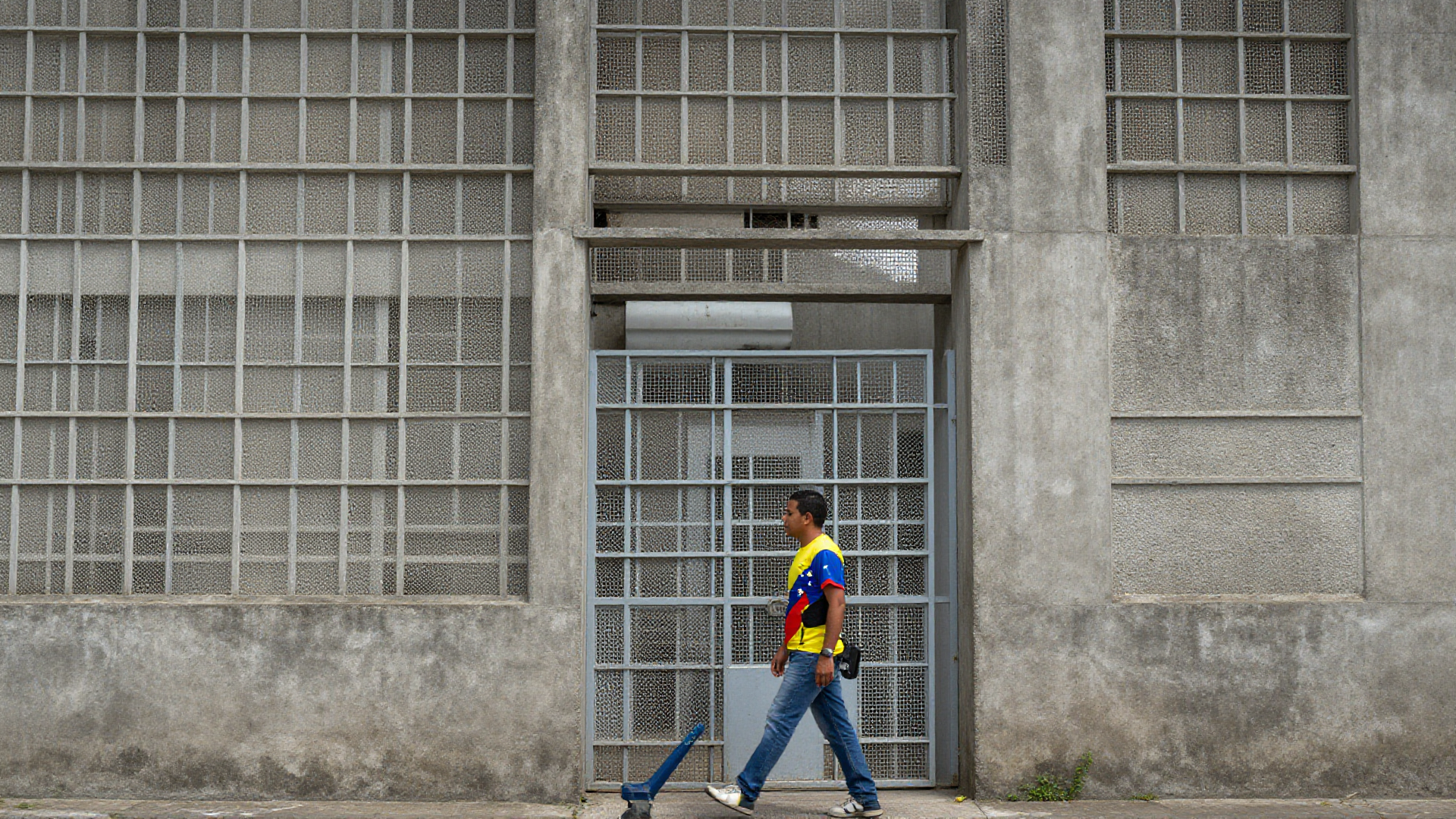
Prominent Venezuelan human rights advocate Javier Tarazona, the head of the NGO Fundaredes, was freed on Sunday, according to a confirmation by his organization. Tarazona had been incarcerated since 2021, held in the El Helicoide detention center in Caracas, a facility reportedly slated for closure under new government plans.
This liberation follows an announcement four weeks ago by acting President Delcy Rodríguez regarding an amnesty law expected to benefit hundreds of political detainees. Foro Penal, a local rights monitoring group, verified that over 300 political prisoners have been released since January eight, indicating a potential acceleration in concessions.
Fundaredes stated that Tarazona’s imprisonment stemmed from his work defending human rights and denouncing governmental abuses, noting that his freedom does not negate the injustice suffered. Tarazona had previously alleged connections between Venezuelan officials and Colombian guerrilla groups near the shared 2,000-kilometer border, charges the government countered with accusations of treason and terrorism.
The broader context for these releases involves increased international scrutiny, specifically following the recent seizure of President Nicolás Maduro by unnamed US forces, which reportedly demanded political and economic reforms. This event galvanized families of opposition figures and activists to intensify their campaign for prisoner releases.
Venezuela consistently denies holding political prisoners, though rights organizations maintain that many detainees face arbitrary charges such as terrorism and incitement to hatred. The proposed amnesty bill, expected to pass the National Assembly shortly, is framed by Rodríguez as a measure to "heal the wounds of political confrontation."
However, rights organizations caution that many recently freed individuals remain in legal limbo because their original charges have not been officially dropped. Foro Penal reported that this omission bars many released persons from speaking publicly, suggesting the measure offers conditional freedom rather than full exoneration.