The US administration approved substantial new arms sales packages to Israel, valued at $6.67 billion, and to Saudi Arabia, totaling $9 billion, according to late Friday announcements from the State Department. These approvals were formally communicated to Congress earlier the same day, coinciding with escalating regional security concerns, particularly regarding potential US military action against Iran.
The $9 billion package designated for Saudi Arabia encompasses 730 Patriot missiles and associated systems, intended to bolster the kingdom's integrated air and missile defense capabilities. The State Department stated this transfer supports US foreign policy by enhancing the security of a Major Non-NATO Ally crucial for Gulf stability and economic progress.
Israel's allocation is segmented into four distinct packages, the largest being $3.8 billion for 30 Apache attack helicopters equipped with advanced targeting gear. Another significant component involves $1.98 billion for 3,250 light tactical vehicles, designed to extend the Israel Defense Forces' logistical reach for personnel and supply movement.
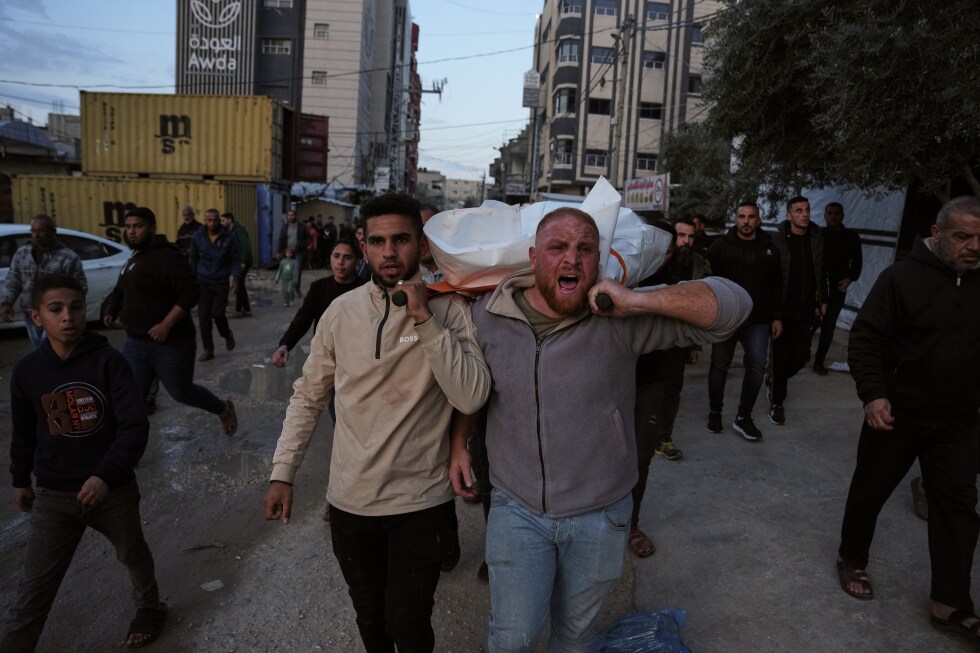
Congressional reaction noted potential procedural issues, as Representative Gregory Meeks, ranking Democrat on the House Foreign Affairs Committee, accused the administration of rushing the deals while disregarding oversight prerogatives. Meeks stated Congress was refused engagement on critical policy questions concerning Gaza and broader US-Israel strategy.
The remaining Israeli allocations include $740 million for power packs for existing armored personnel carriers and $150 million for a small number of light utility helicopters. The State Department asserted that none of these sales would alter the regional military balance, emphasizing they enhance Israel's capacity for self-defense against current and future threats.
These transactions occur while the administration advances a ceasefire proposal aimed at resolving the Israel-Hamas conflict, which faces implementation hurdles such as deploying an international security force and disarming Hamas operatives.
The broader geopolitical implication involves the US reaffirming military support for Gulf partners and Israel simultaneously, potentially signaling a commitment to regional deterrence amid instability. The transactions underscore the deep, ongoing defense relationship between Washington and these key Middle Eastern entities.