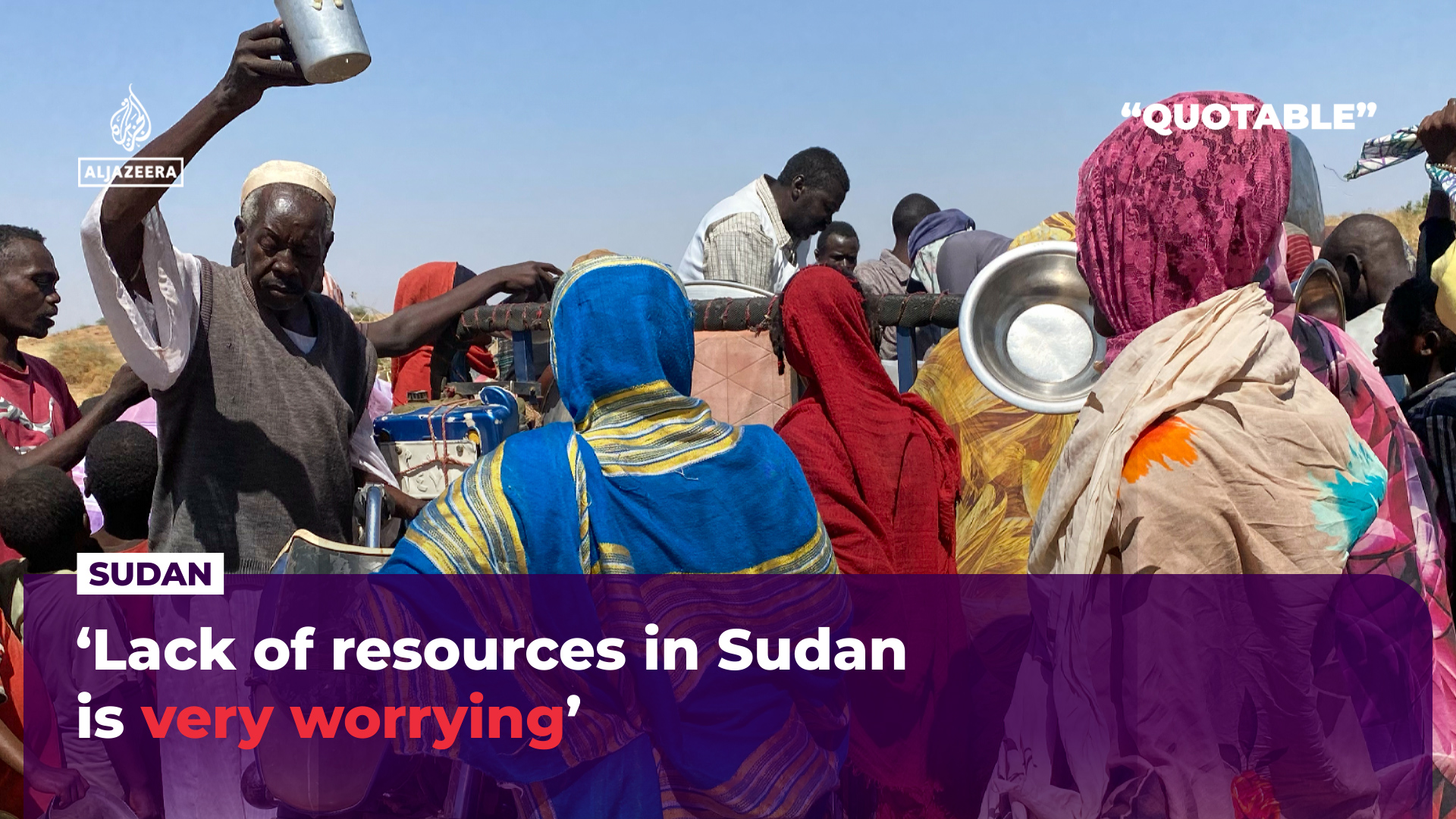
The United Nations Humanitarian Coordinator, Denise Brown, stated that supplying necessary resources to Sudan has become a critical 'race against time' following her visit to an internally displaced persons camp. This urgent assessment underscores the rapidly deteriorating conditions for millions affected by the ongoing conflict.
Fighting between the Sudanese Army and the Rapid Support Forces (RSF) since 2023 has resulted in more than nine million people being forcibly displaced within Sudan's borders. Brown’s observations highlight the immense logistical challenges inherent in reaching these vast, scattered populations with aid.
According to reports from Al Jazeera, the Coordinator explicitly warned of scarce resources available at these temporary settlements. This scarcity directly translates into increased vulnerability for civilians who depend entirely on external assistance for basic survival needs.
The geopolitical dimension of the crisis complicates aid flows, as access routes and security guarantees remain fragile across various conflict zones. International bodies are struggling to secure safe corridors necessary for large-scale relief operations.
Donor nations face pressure to increase funding commitments to meet the overwhelming scale of the humanitarian need documented on the ground. The gap between required aid volumes and actual delivery capacity is reportedly widening as the conflict persists.
External actors, including regional and global powers, continue to monitor the situation, though direct large-scale intervention remains politically complex. The focus for many international organizations is currently centered on rapid funding mobilization and logistical support mechanisms.
Looking forward, the ability of humanitarian agencies to sustain operations hinges on immediate financial injections and negotiated ceasefires that permit safe movement of personnel and supplies. Failure to accelerate aid delivery risks escalating mortality rates among the displaced population.