Syrian Kurdish security forces declared curfews in the northeastern cities of Hasakeh and Qamishli starting early next week, preceding the implementation of a recent integration accord with the government in Damascus. The decision signals the imminent commencement of a deal struck Friday to gradually fold Kurdish military and civilian structures into the central Syrian state apparatus, according to reports.
Mazloum Abdi, the head of the Kurdish-led Syrian Democratic Forces (SDF), confirmed that the agreement would take effect on Monday, necessitating a mutual withdrawal of forces from contested frontline positions in parts of the northeast and the town of Kobane. Abdi specified that a 'limited internal security force' would enter parts of Hasakeh and Qamishli, but stressed that no formal military units from Damascus would enter Kurdish cities or towns.
The curfews—Hasakeh from 6am to 6pm on Monday and Qamishli during the same hours on Tuesday—were announced by Kurdish security forces as necessary measures 'to maintain security, stability and the safety of residents.' This local security measure precedes the broader administrative transition outlined in the agreement.
The framework of Friday’s accord maintains an existing ceasefire and mandates the 'gradual integration' of SDF forces and administrative bodies, reportedly incorporating some Kurdish demands, such as establishing specialized fighter brigades in Kurdish-majority zones under army command. Information Minister Hamza Mustafa detailed that the deal also includes the handover of certain oil fields, the Qamishli airport, and border crossings to government control within ten days.
This development follows weeks of government advances that pressured the Kurds, who had sought to maintain the de facto autonomy established during battles against the Islamic State group with US coalition backing. The United States recently signaled that the primary purpose of its alliance with the Kurdish forces had largely concluded, potentially influencing the negotiations.
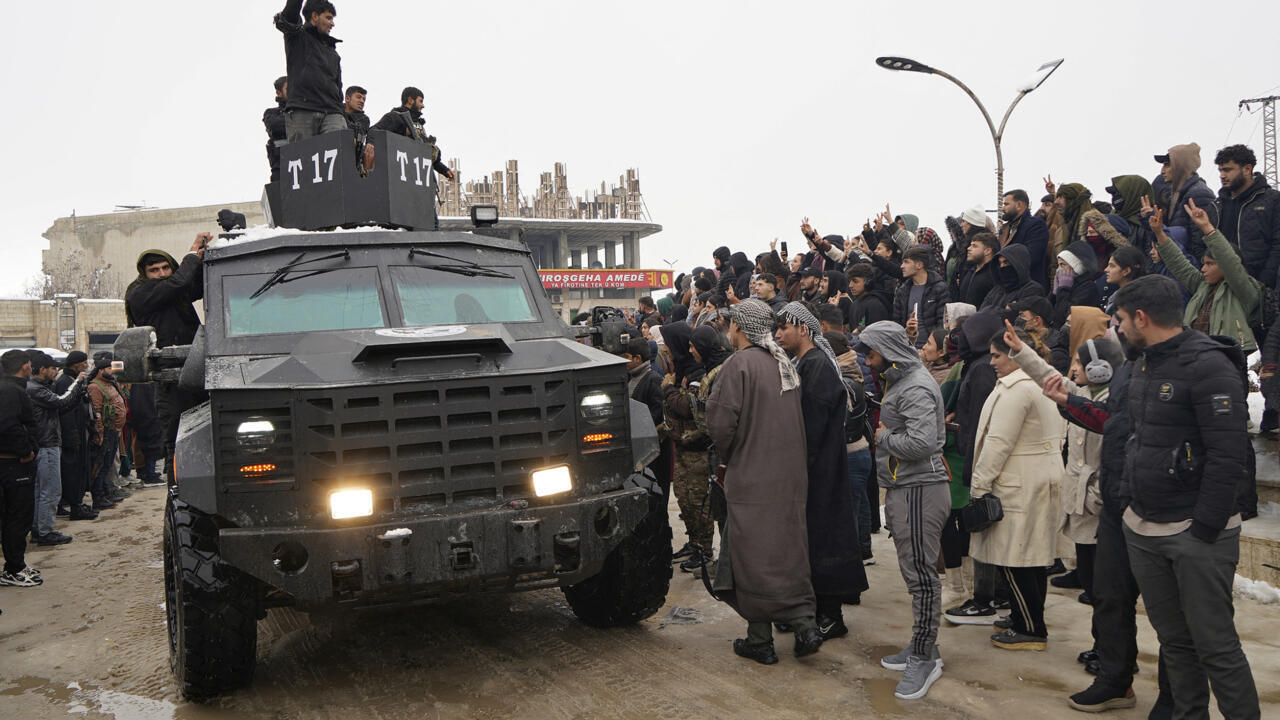
In Qamishli, thousands of residents demonstrated Sunday waving Kurdish flags in a show of solidarity, though some expressed apprehension regarding the future under Damascus’s authority. One resident told AFP that there was fear of 'being betrayed because we do not trust this government,' underscoring the sensitivity of the integration process.
Geopolitically, the agreement represents a consolidation of Syrian government authority across more territory, a key objective of Damascus since the civil war began. The integration process will see SDF fighters absorbed on an individual basis into new brigades forming under the army’s command structure, a critical step in normalizing security control.