Russian revenue from oil and gas sales declined by approximately twenty percent in 2025, reaching the lowest level recorded in the past five years, according to recent assessments. This financial contraction is attributed to a combination of a global crude glut, a strengthening ruble, and increasingly stringent Western economic measures targeting Moscow's energy sector.
The most significant recent pressure stems from US actions, including October sanctions against Rosneft and Lukoil, Russia’s two largest oil exporters, which now extend to secondary enforcement. Alexander Kolyandr, a financial analyst at the Center for European Policy Analysis, noted that these secondary sanctions threaten to cut off companies dealing in Russian crude from the US-controlled global financial infrastructure.
Furthermore, the G7 and European Union price cap mechanism, set to drop to under $44 a barrel in February, is driving down realized prices. Reports indicate that the discount for Urals crude has doubled since the October sanctions, with prices briefly dipping below $40 a barrel in December, a level unseen since early 2020. This forces Russia to sell at significantly reduced margins to secure buyers.
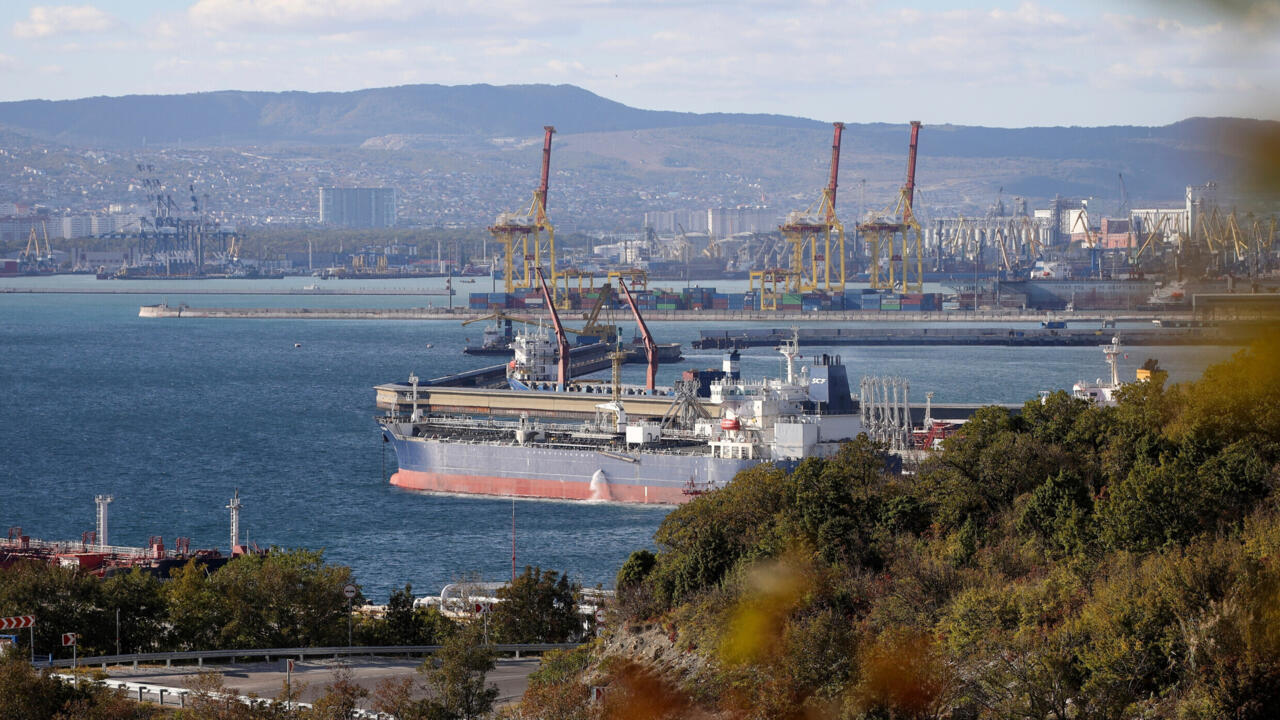
This economic squeeze is reportedly affecting traditional buyers, as Daniel Spiro, an associate professor at Uppsala University, suggested that China and India have shown reduced willingness or demanded steeper discounts for Russian oil. Russia is increasingly relying on an aging 'shadow fleet' of tankers, but increased interdiction efforts, such as the recent French Navy boarding in the Mediterranean, raise transportation costs further.
Concurrently, Lukoil announced the sale of substantial overseas assets, including holdings in Egypt and Nigeria, to The Carlyle Group for an undisclosed sum, pending US Treasury approval. While this move converts illiquid assets into foreign reserves, experts suggest it represents a forced, low-value divestiture, akin to 'eating seed corn,' according to Catherine Wolfram of MIT.
The erosion of energy income is impacting the broader fiscal health of the Russian state, with oil and gas revenues comprising less than twenty-three percent of the federal budget by the end of 2025. This marks a two-decade low, contributing to a budget deficit of around 2.6 percent of GDP last year.
Geopolitical analysts suggest that while the financial strain is evident, it remains uncertain if this economic pressure will alter Russia's strategic military objectives in Ukraine. The situation reflects an ongoing economic contest where Western actors aim to restrict war financing without causing a global energy supply shock.