A new report from PEN America and the Southern Mongolian Human Rights Information Center alleges that the Chinese government is systematically targeting and dismantling digital spaces vital to Mongolian language and culture in the Inner Mongolia Autonomous Region. This action follows the 2020 policy enforcing Mandarin Chinese as the primary language of instruction in regional schools, which previously sparked widespread protests and subsequent state repression.
For years, the internet served as a crucial, relatively free public space for Mongolians to share literature, music, and maintain community ties, according to the study titled "Save Our Mother Tongue." Since the 2020 educational policy enforcement, offline repression has reportedly expanded into the digital sphere, severely restricting linguistic expression.
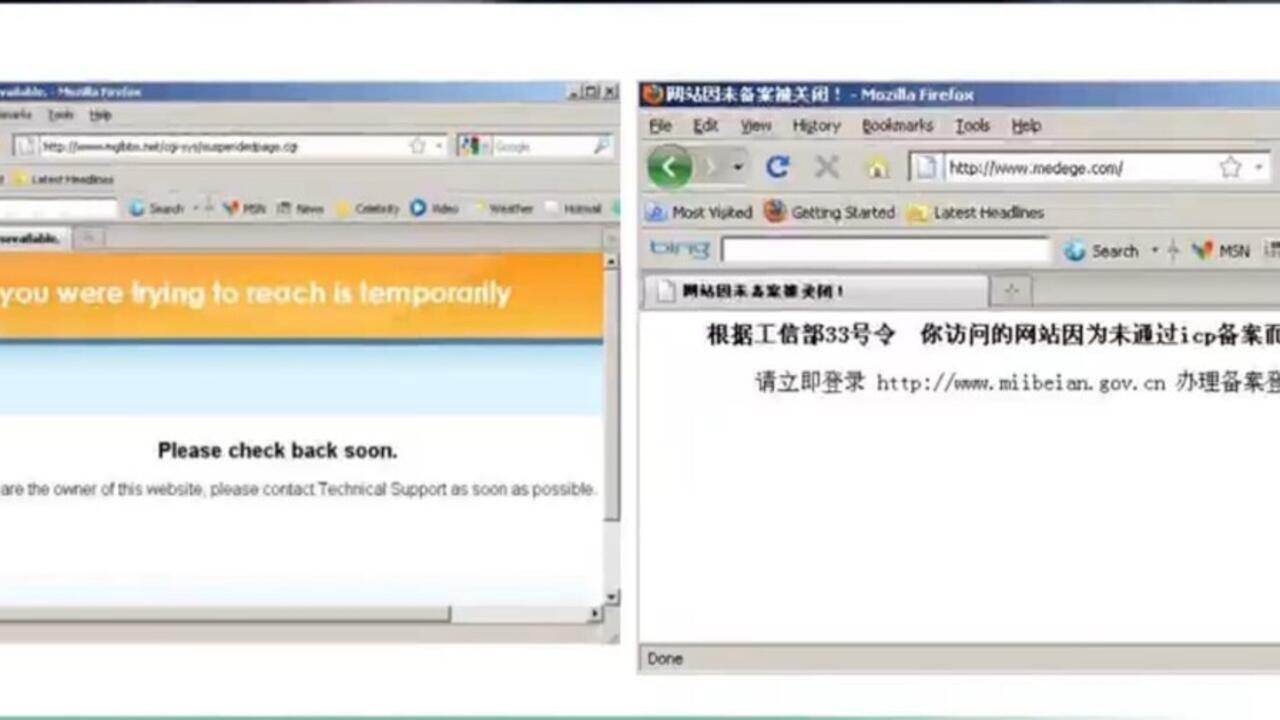
The investigation uncovered that approximately 89% of known Mongolian cultural websites have been censored or entirely shuttered. Furthermore, widely used platforms, including the Mongolian-language social media application Bainu, have faced significant restrictions, according to the advocacy groups.
The report also identified a state media strategy termed "One Province, One Newspaper, One Client," which facilitates state outlets launching proprietary apps, effectively crowding out independent platforms developed by local Mongolian programmers. This policy concentrates digital infrastructure under state control, limiting independent cultural dissemination.
Soyonbo Borjgin, an exiled Southern Mongolian journalist, stated that the digital space was the last free public area for the Mongolian people after the government banned the language in local schools. He noted that specific terms related to Mongolian identity, including references to Genghis Khan, are now censored and flagged as potentially "separatist."
Liesl Gerntholtz, Managing Director at PEN/Barbey Freedom to Write Center, urged technology companies to recognize this intersection of cultural rights and digital repression. She stressed that international internet firms committed to open internet principles should closely examine the situation as a case study in online cultural suppression.
PEN America and its partners are now calling for coordinated international pressure on technology corporations and governments. They seek the adoption of a cultural rights framework in platform development to uphold human rights responsibilities for impacted Mongolian communities.
The findings suggest a calculated effort to erase linguistic and cultural markers within the digital domain, mirroring previous offline policies. The broader implication involves how state actors utilize digital infrastructure control to enforce assimilationist policies across minority regions.