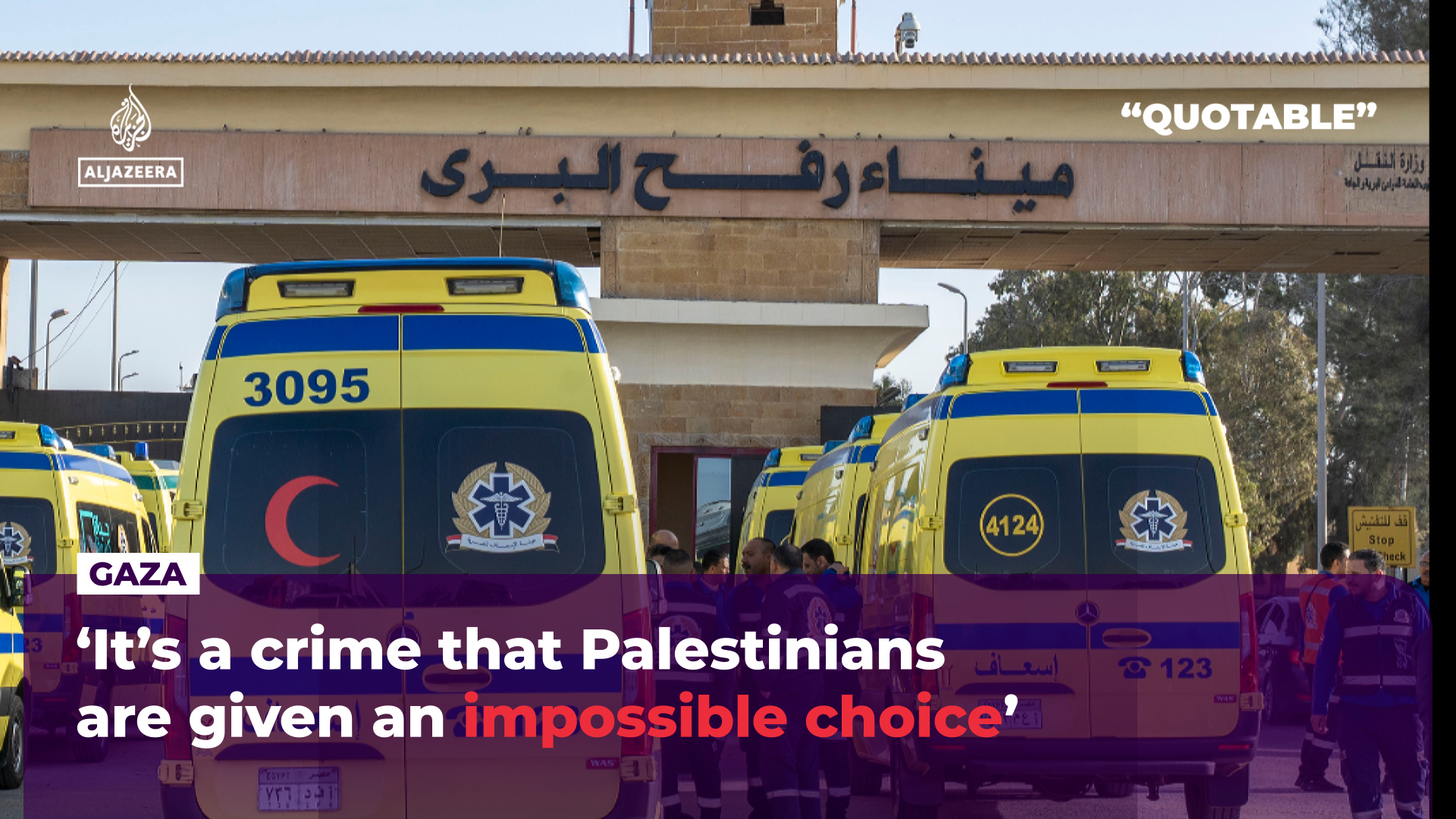
The Rafah crossing between Gaza and Egypt has resumed operations, immediately drawing scrutiny over the strict parameters governing Palestinian movement, particularly for those seeking urgent medical evacuation. International observers are focusing on restrictions that may effectively prevent individuals from returning to their homes after temporary exits for treatment.
Dr. Mohammed Tahir, a trauma surgeon who recently volunteered in the region, articulated the pervasive fear among the population regarding these exit policies. He stated that many Palestinians view leaving for necessary medical intervention as a potentially permanent displacement, given the uncertainty of readmission.
This situation presents what one observer termed an "impossible choice" for Gazans needing specialized care unavailable locally, forcing a decision between immediate health needs and the prospect of returning home. Such limitations impact global health equity and humanitarian access to critical services.
While the reopening facilitates necessary aid and limited movement, the geopolitical context surrounding border control remains a primary concern for international bodies. The operational framework established for the crossing’s management dictates the flow of people and goods.
Economic analysts note that restricted movement severely constrains the potential for any meaningful economic recovery within the territory, as skilled labor and critical medical personnel cannot reliably move in or out of the area. This dynamic further isolates the local economy.
Future implications hinge on diplomatic agreements governing the crossing’s long-term administration and security arrangements. Clarity on re-entry documentation for those receiving treatment abroad is essential for humanitarian planning.
The resumption of passage at Rafah is a crucial, albeit limited, development, yet the underlying structural barriers to free movement define the immediate challenge for the affected population.