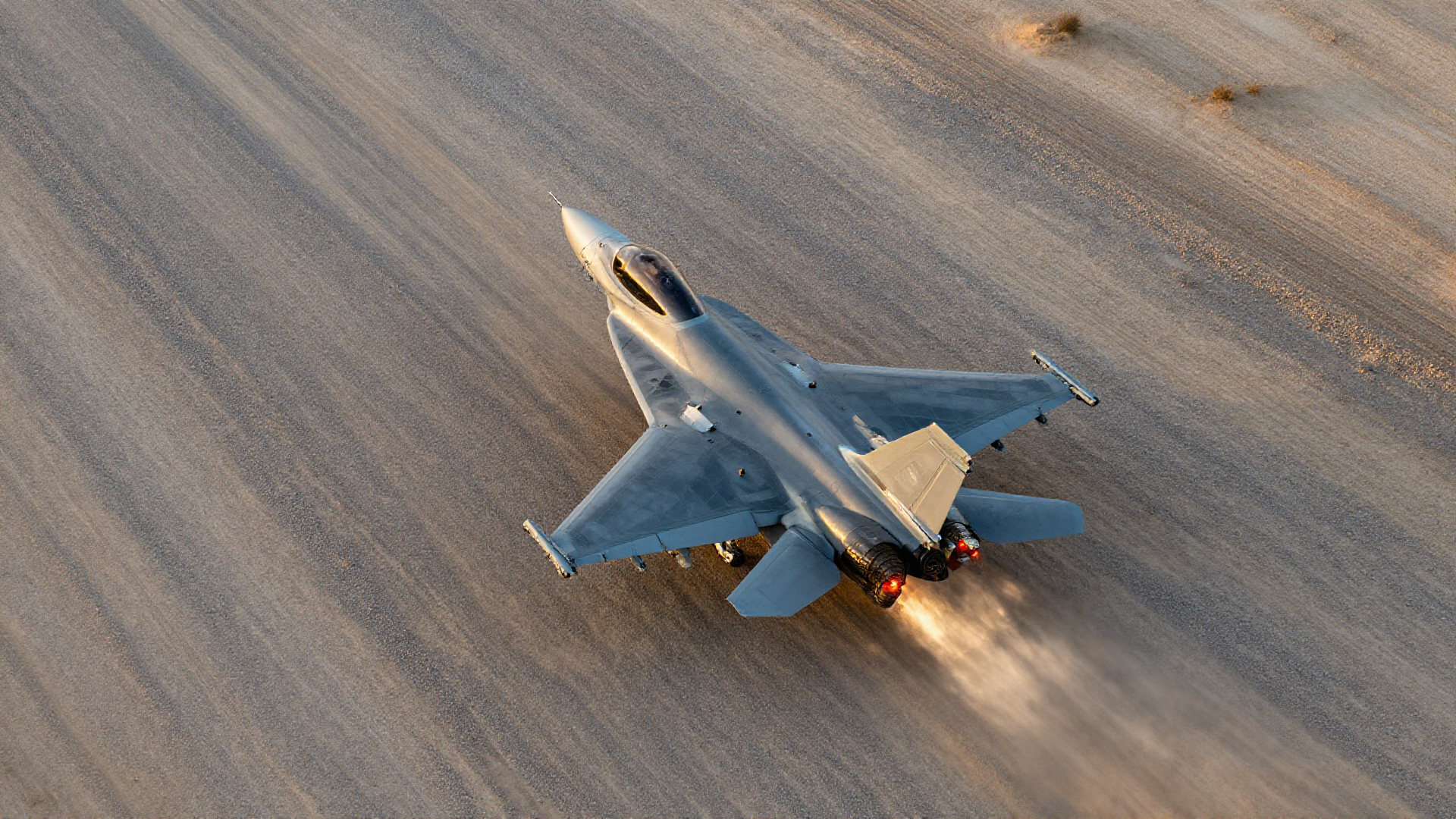
The Peruvian Ministry of Defense confirmed the selection of 12 new F-16 Block 70 multirole fighters, concluding a competitive tender process, according to reports citing Defense Express. This decision marks a notable shift from the previously favored Saab Gripen platform, a change analysts attribute partly to the political instability experienced in Lima last year, including presidential impeachment proceedings. The finalization of the contract is anticipated shortly after upcoming elections, expected around mid-April.
This procurement is significant as the F-16 Block 70 configuration represents the most advanced variant of the jet currently operating in the region, directly enhancing Peru’s air defense capabilities. The estimated contract value for the 12 jets, including a baseline weapons package and two spare parts kits, stands at $3.42 billion. This transaction underscores a deepening defense relationship between Lima and Washington.
The existing Peruvian Air Force inventory is aged, comprising fewer than nine operational MiG-29s and up to 12 Mirage 2000s, necessitating an urgent modernization effort. While the Gripen proposal reportedly offered a more economically favorable per-unit cost, comparable to a recent offer made to neighboring Colombia, the final decision favored the established U.S. platform.
Geopolitically, the acquisition solidifies Washington's military influence in the Western Hemisphere, contrasting with the potential diversification of defense ties that the Gripen selection might have fostered. The integration of the F-16 system will also impact regional interoperability, particularly with nations already operating similar U.S.-made platforms.
For the Swedish aerospace manufacturer Saab, this outcome reduces near-term pressure on its production lines earmarked for the Gripen E/F variant. This may indirectly benefit Ukraine, as reduced external demand could theoretically accelerate the timeline for fulfilling Kyiv's substantial anticipated order for 100 to 150 Gripens, should agreements materialize.
Further international defense developments noted include statements from Swedish Prime Minister Ulf Kristersson regarding Sweden’s willingness to supply Gripens and aid in Black Sea demining post-conflict resolution with Russia. Separately, the United Kingdom and France have pledged additional military assistance to Ukraine, focusing on air defense and fighter jet supplies.
In summary, Peru’s move towards the F-16 is a decisive step in military modernization driven by strategic alignment and immediate operational requirements. The geopolitical ramifications extend to regional defense postures and the global market competition between established Western suppliers and emerging European aerospace exporters.