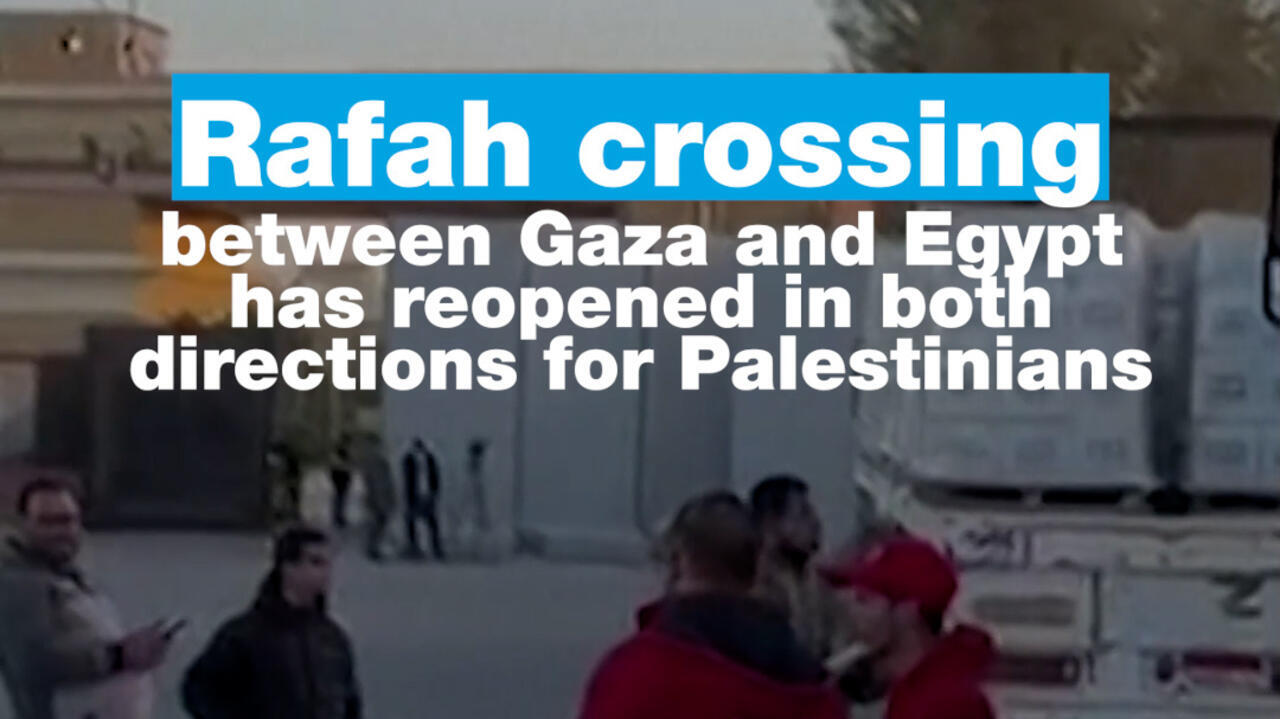
The Rafah border crossing connecting the Gaza Strip with Egypt reopened on Monday for limited foot traffic, according to an Israeli security official. This resumption follows a period of closure, marking a critical, albeit constrained, point of external access for Gazan residents.
An Egyptian official stated that the initial operational day would permit approximately 50 Palestinians to cross in each direction. This controlled flow suggests a phased approach to restoring transit operations at the vital border point.
The reopening impacts the movement of individuals, a key concern amidst ongoing regional instability. The crossing serves as the principal exit point from the Gaza Strip not controlled by Israeli authorities.
Details regarding the duration and scope of this limited reopening were not immediately provided by the sources cited. International bodies have consistently emphasized the necessity of sustained, safe passage through Rafah.
This event occurs within the broader context of ongoing diplomatic efforts to manage the humanitarian situation in Gaza. Border access remains a central component of any large-scale stabilization effort in the region.
Data reported by France 24 on February 2, 2026, confirms the initial restricted transit schedule. The resumption of any movement is being closely monitored by regional actors and international aid organizations.
Broader economic implications hinge on the sustained functionality of this corridor for essential supplies and personnel movement. Future capacity beyond the initial 100 daily crossings will determine its true impact.