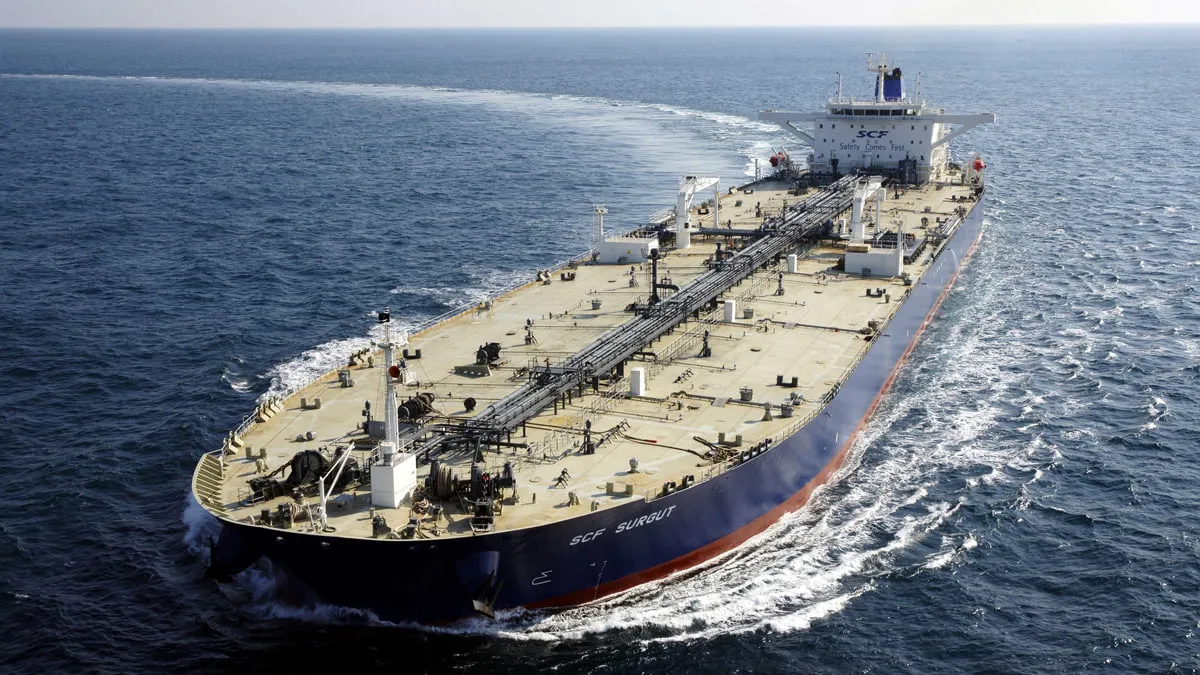
The European Union is considering a significant tightening of sanctions against Moscow by proposing a full ban on maritime services related to Russian oil exports, potentially replacing the current price cap mechanism, sources informed Bloomberg. This major policy shift is reportedly being debated as part of the forthcoming 20th package of punitive measures targeting the Russian economy.
Under the proposed framework, European companies would be prohibited from offering essential services like insurance and shipping for Russian crude oil, irrespective of whether the transaction adheres to the current price ceiling. Individuals familiar with the internal deliberations suggest this move aims to substantially strengthen enforcement and increase the practical impact of existing restrictions on Russian energy revenues.
Currently, the movement of Russian seaborne oil is permitted only if the purchase price remains below a stipulated limit, which was set at $44.10 per barrel for crude oil as of February first. This price cap mechanism, reviewed every six months, is calibrated to be 15% lower than the average market price for the Urals crude grade.
Sources indicated that the proposed sanctions package extends beyond the energy sector to include new trade restrictions aimed at entities supporting Russia’s defense industry. These measures reportedly target additional companies and specific goods vital for Russian weapons manufacturing, alongside restrictions on imports of certain Russian metals.
This potential ban on maritime services represents a critical geopolitical maneuver, aiming to choke off a significant revenue stream for the Kremlin by targeting the logistical backbone of its oil trade. The effectiveness hinges on the unified commitment of key maritime and insurance hubs within the EU.
Global energy markets are currently experiencing volatility, with oil prices reportedly rising for a third consecutive day, according to Reuters data. Any definitive EU action to restrict Russian supply logistics could introduce further upward pressure on international benchmarks.
The implementation of a full service ban would mark a material escalation from the current price-based enforcement, shifting the focus from price compliance to outright logistical denial for Russian hydrocarbons.