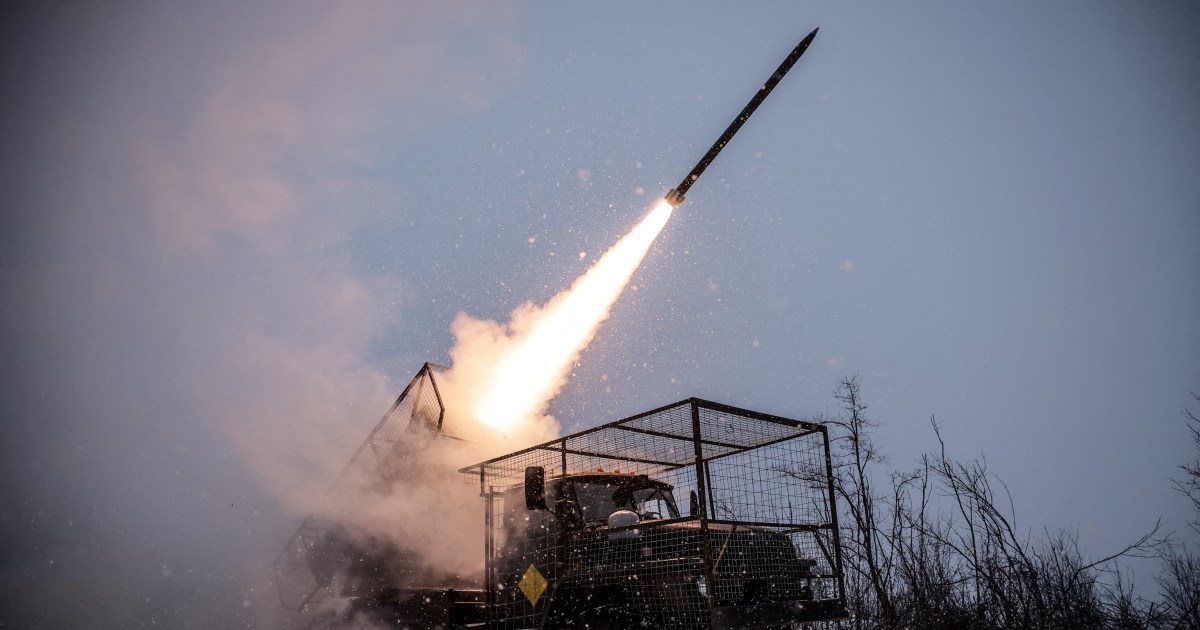
The protracted conflict between Russia and Ukraine registered several escalatory kinetic events on Thursday, January 29th, extending the humanitarian and strategic pressure across the frontlines and into rear areas. Official reports confirm a rising death toll from a Russian strike on a passenger train in the Kharkiv region, while missile attacks in Zaporizhia and Dnipropetrovsk resulted in further civilian casualties, highlighting the sustained risk to non-military infrastructure.
Reciprocal strikes were also reported. A Ukrainian attack on Novaya Tavolzhanka in Russia's Belgorod region reportedly claimed one life, and a drone strike in Russian-occupied Enerhodar resulted in one fatality, according to Moscow-aligned local authorities. These incidents underscore the high-intensity nature of engagements despite strategic stalemate in key sectors like Chasiv Yar, where Ukrainian forces continue defensive maneuvers.
Geopolitically, the flow of Western security assistance continues to solidify Kyiv’s operational capacity. Following direct communication with Paris, President Zelenskyy confirmed France would supply additional aircraft, air defense munitions, and aerial bombs throughout the year, signaling a deepening of bilateral security guarantees.
Beyond immediate aid, the strategic calculus in European capitals is visibly shifting toward accelerated defense posture. Danish Prime Minister Mette Frederiksen asserted that the widely discussed 2035 timeline for European rearmament is dangerously late, emphasizing immediate necessity due to reliance on US deterrence capabilities. In a significant fiscal pivot, Switzerland announced plans to inject an additional 31 billion Swiss francs ($40.4bn) into its defense budget starting in 2028, citing increased global volatility and strain on the international legal order.
Diplomatic posturing remains rigid. Moscow's Foreign Ministry official, Vladislav Maslennikov, reiterated prerequisites for any normalization of relations with the EU: the cessation of sanctions, a halt to military supplies to Kyiv, and the abandonment of perceived 'peace process sabotage.' This stance contrasts sharply with Western diplomatic movements, exemplified by President Macron's focus on European 'sovereignty' and resilience against foreign interference.
Negotiations remain gridlocked, particularly concerning territorial integrity. US Secretary of State Marco Rubio noted during a Senate hearing that resolving the status of the Donetsk region—largely under Russian control—remains the 'most difficult' but central outstanding issue in any potential dialogue. The gap, while narrowed in scope, remains substantial.
Domestically, the conflict continues to impact essential services. In Kyiv, Mayor Vitali Klitschko reported that nearly 640 apartment buildings remained without central heating as temperatures were forecast to plummet severely, illustrating the ongoing domestic fragility amid military operations. The resilience of Ukrainian infrastructure under sustained attack remains a critical economic factor.
Source: Adapted from reporting by Lyndal Rowlands and News Agencies, January 29, 2026.