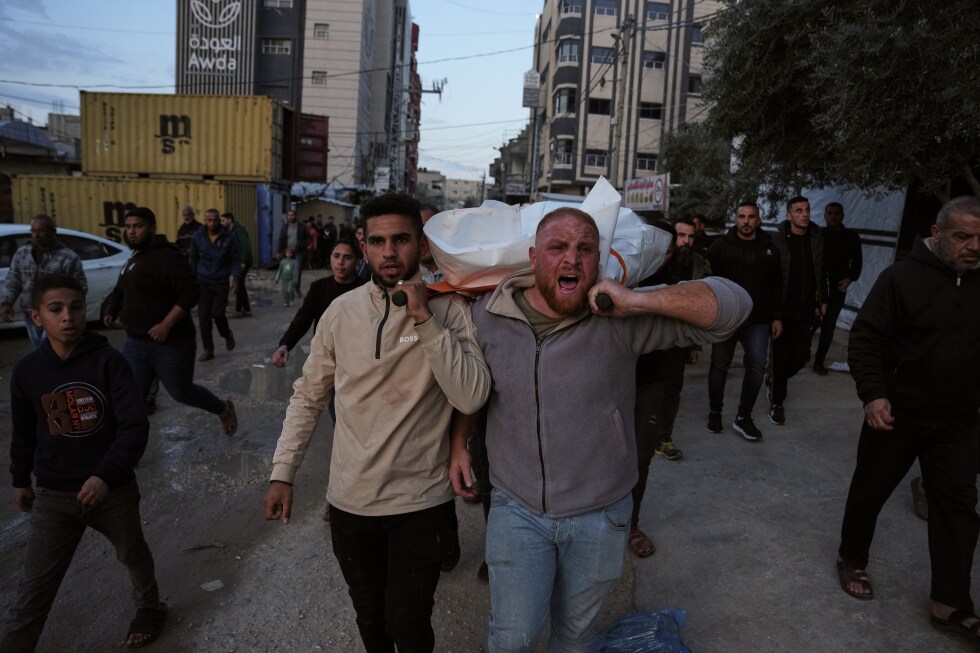
The campaign to isolate Israel through boycotts and divestment is refocusing its efforts as global media attention moves away from the recent conflict in Gaza, according to reports from Al Jazeera. The movement faces the structural challenge of maintaining momentum when major geopolitical events, such as the war in Ukraine, dominate international headlines.
Despite the reduced visibility, the movement claims significant gains, noting unprecedented international condemnation against Israel, which has seen some leaders face International Criminal Court arrest warrants. Furthermore, pension funds across Europe have reportedly divested from assets connected to Israeli settlements following public pressure.
The Israeli Export Institute Chairman, Avi Balashnikov, acknowledged these pressures in September 2024, stating that economic boycotts and BDS organizations present major operational challenges for Israeli industry abroad. This concession underscores the tangible impact the sustained pressure has exerted on Israel's global trade environment.
Experts suggest the power of boycotts is cumulative, likening the process to long-term advertising that builds negative associations, according to historian Nick Cull of the University of Southern California. Cull noted that this training of a negative reflex is what ultimately renders boycotts effective, drawing parallels to the anti-apartheid movement in South Africa.
Saleh Hijazi, Policy Coordinator with the BDS movement, characterized the recent ceasefire as a strategic attempt by Israel and the United States to launder Israel's global image and stifle calls for further sanctions. Hijazi argued that Israel continues to impose restrictions on essential access in Gaza despite the cessation of major hostilities.
To counter the potential fading of the spotlight, activists are launching targeted campaigns to institutionalize the isolation, such as the 'Game Over Israel' initiative. This group is specifically targeting the removal of Israel from European football competitions under UEFA's jurisdiction, citing the integrity of the game.
Political strategist Ashish Prashar, leading the football campaign, indicated that the effort is proceeding regardless of the ceasefire, framing it as an election-style strategy against the normalization of Israel in institutional settings. Prashar stressed that the financial costs associated with hosting Israeli games and the resulting venue closures create practical arguments for suspension.
Ultimately, while the immediate crisis in Gaza may be less visible, the long-term reputational damage inflicted upon companies trading with Israel and the rise of cultural isolation initiatives suggest the movement seeks to establish permanent structural resistance to normalization.