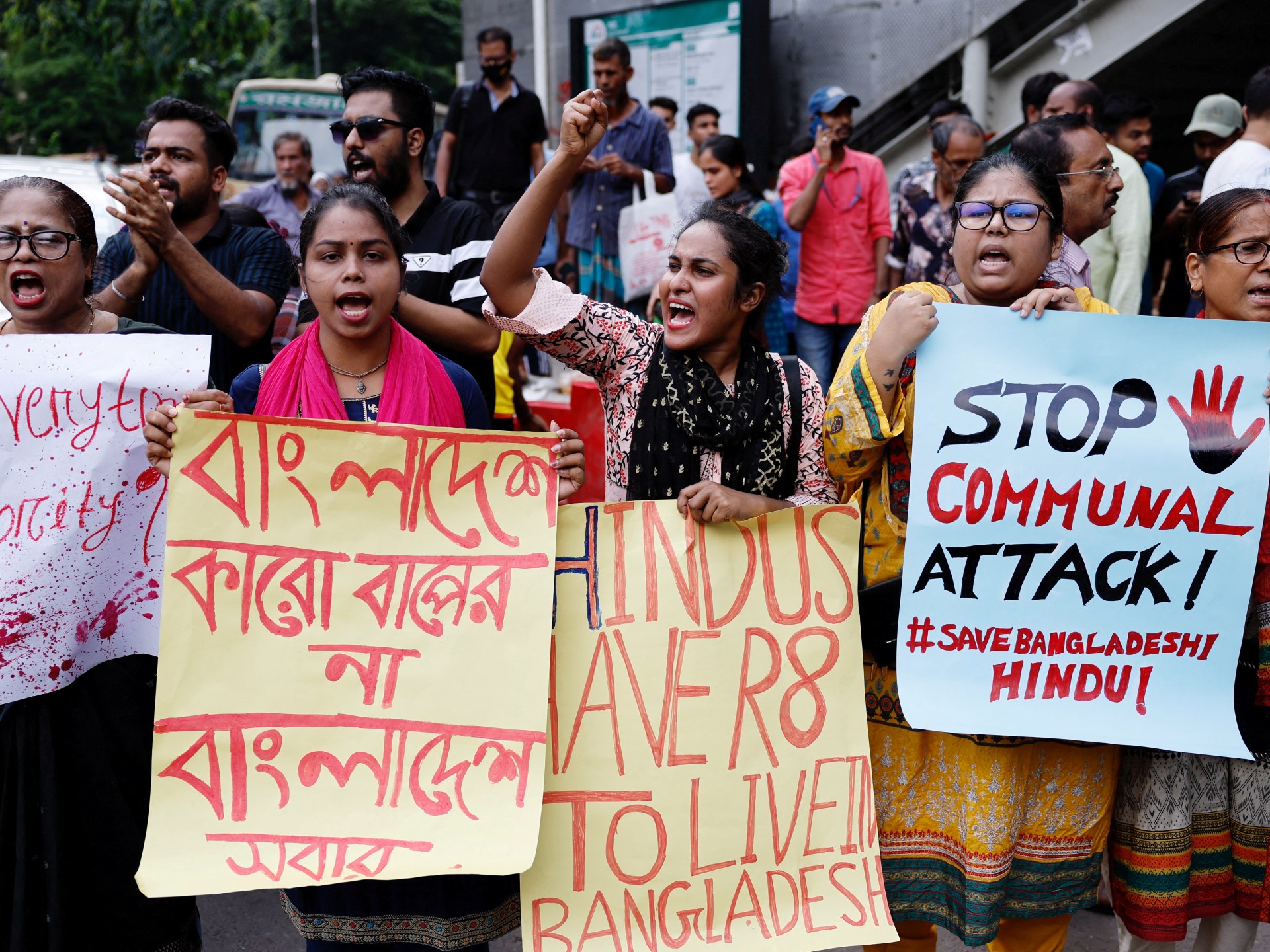
Religious minorities across Bangladesh are expressing acute insecurity leading up to the February 12 national election, following numerous reported attacks on property and individuals since the removal of former Prime Minister Sheikh Hasina in August 2024. This environment of heightened tension is typical of electoral periods in the nation's history, though recent incidents have reportedly amplified community anxiety, according to reports by Al Jazeera.
Leaders of major political factions have reportedly assured minority communities of protection during the electoral process, yet trust in politicians remains low among many citizens. For instance, Sukumar Pramanik, a Hindu teacher in Rajshahi, described suffering a physical assault by a mob, stating the incident deeply eroded his faith in political assurances.
Hindus, who constitute approximately eight percent of the population in the majority-Muslim nation, often face targeted intimidation, a tactic historically exploited by political actors to influence voting or settle local scores. Manindra Kumar Nath, acting general secretary of the Bangladesh Hindu Buddhist Christian Unity Council (BHBCUC), noted that oppression against minorities has persisted across past administrations, emphasizing that justice for these acts has been largely absent.
Official government data presents a differing narrative, suggesting that the majority of recorded incidents involving minority communities are categorized as standard law-and-order issues rather than communal violence motivated by religious hostility. Authorities claim this distinction is crucial, even as rights organizations document significantly higher figures of religiously motivated incidents than the official count.
The BHBCUC reported over 2,100 incidents in 2024 following Hasina's ouster, including 61 killings, while rights group Ain o Salish Kendra documented 221 instances of communal violence in 2025. These conflicting statistics underscore a significant divergence between state reporting and the lived experiences of minority residents facing potential unrest.
Despite widespread apprehension, some local leaders maintain optimism, citing strong communal harmony in their specific districts and noting that political parties are actively courting minority votes with inclusive promises. Furthermore, opposition parties, including the Jamaat-e-Islami, have reportedly made outreach efforts, such as nominating a Hindu candidate for the first time.
Analysts suggest that the upcoming vote will serve as a critical barometer for domestic stability and the extent to which the new political configuration can guarantee the safety of marginalized groups. The response by election authorities and the ruling interim government to quell fears and ensure impartial security measures will shape long-term confidence in Bangladesh's democratic institutions.