Bangladesh is preparing for a general election on February 12, featuring a contest largely between a Bangladesh Nationalist Party (BNP)-led coalition and a bloc headed by Jamaat-e-Islami, following the barring of the Awami League. Campaigning across the nation centers on core voter anxieties: employment opportunities, cost-of-living relief, and anti-corruption measures.
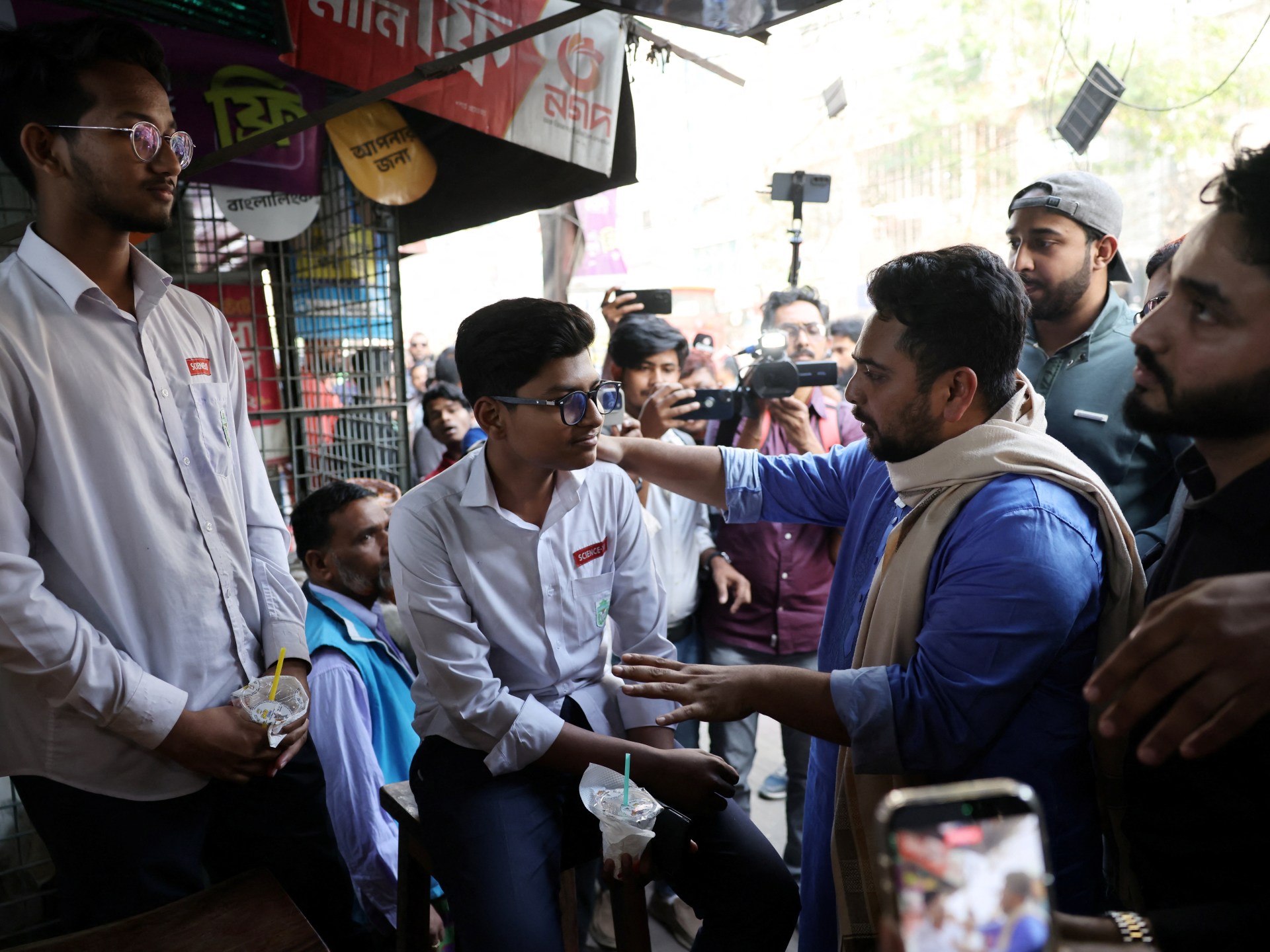
Candidates are offering substantial social safety net expansions, including cash support or interest-free loans for the unemployed, promises that resonate with young job-seekers like Mohaiminul Rafi, who prioritizes merit-based recruitment over handouts. These pledges arrive as the nation grapples with economic headwinds, including growth decelerating to approximately 4-5% post-pandemic, down from over 8% previously.
Economists highlight significant structural weaknesses, noting that private investment remains stalled around 22–23% of GDP, while the nation’s tax-to-GDP ratio remains below 7%, far short of the 15% level many experts cite as necessary for sustainable public financing. Hossain Zillur Rahman, executive chairman of the Power and Participation Research Centre (PPRC), stated the interim administration stabilized macro indicators but neglected household distress and business confidence.
The BNP’s central proposal involves a monthly cash transfer or essential goods basket via a “family card” for millions of households, a plan that could cost nearly $10 billion annually. This figure approaches the nation’s entire current annual social protection outlay, which stands at about 2% of GDP, according to reports reviewed by La Era.
Conversely, Jamaat-e-Islami is campaigning on a “smart social security card,” aiming to unify national identification, health, and taxation services under one system to improve efficiency and reduce benefit leakage. Both coalitions argue digitization and governance improvements will finance these ambitious programs, though specific financing mechanisms remain vague.
Experts caution that while these simplified welfare messages appeal to voters seeking immediate relief, the scale of implementation presents a major hurdle. Towfiqul Islam Khan of the Centre for Policy Dialogue (CPD) stressed that the parties must clearly articulate financing structures and institutional capacity building required for execution.
The election outcome is viewed as crucial for ending the current policy uncertainty that is freezing investment decisions, according to Rahman. While the vote offers a potential economic restart, he analyzed that dramatic, immediate improvements are unlikely given the current fiscal constraints and persistent inflation squeezing consumer purchasing power.